Winding down at night should feel simple. For a lot of people, it doesn’t. Phone screens, overhead lights, and a busy mind can all get in the way. That’s part of why so many people ask about red light therapy for sleep and whether it can support a healthier evening routine.
This guide covers what red light therapy actually is. It looks at what current research does and doesn’t show about sleep. It also explains how to use a red light therapy device at home if you want to try it. We’ll compare red light to the blue light most of us see at night, and we’ll walk through basic safety guidance.
One thing to say upfront: red light therapy is not a treatment or cure for insomnia or any sleep disorder. Think of it as one piece of a broader nighttime wellness routine, not a medical solution.
What Is Red Light Therapy?
Red light therapy uses low-level red and near-infrared light. Most devices deliver it through LED panels, mats, or handheld tools. Many consumer devices use 660nm red light and 850nm near-infrared light. Researchers have studied both wavelengths across a range of wellness contexts.
Red and near-infrared light differ from the UV light in sunlight or tanning beds. They don’t carry the same skin-damage risks that UV exposure does. Red light therapy devices don’t emit UV rays. That’s part of why companies market them for general wellness rather than tanning.
Scientific literature sometimes calls red light therapy photobiomodulation, or PBM. The FDA’s guidance on photobiomodulation devices explains that these products use LED or laser light sources. The agency generally links them to a lower risk profile than higher-powered light and laser devices.
Can Red Light Therapy Help With Sleep?
This is the question most people searching for red light therapy for sleep really want answered. Let’s address it directly.
Some people say they feel more relaxed after an evening red light session. A calm, low-light environment before bed is also a widely recommended sleep hygiene habit. Still, research that directly links red light therapy to better sleep quality remains limited and mixed.
Here’s what we can reasonably say:
- Red light itself doesn’t appear to suppress melatonin the way bright white or blue light does.
- Many sleep experts recommend winding down with dim, warm-toned light in the evening.
- No strong evidence has established red light therapy as a proven treatment for insomnia or any diagnosed sleep disorder.
If you deal with ongoing sleep problems, talk to a healthcare provider first. Red light therapy shouldn’t replace that conversation. Treat it as a possible addition to your routine, not a fix.
What Does Current Research Say?
Scientists have studied light exposure and sleep for decades. Most of that research focuses on bright light therapy for circadian rhythm disorders and on how blue light disrupts sleep at night. Far less research has looked at red light therapy specifically.
The National Institute of General Medical Sciences explains that light and dark exposure largely drives circadian rhythms. The brain’s master clock uses light signals to control melatonin release and the sleep-wake cycle.
Red light therapy’s role in that picture is still emerging. A handful of smaller studies have explored whether red or near-infrared light affects sleep-related markers, particularly in athletes. This research base is still developing, though. It hasn’t reached the level of established medical guidance yet.
In practical terms, you can treat red light therapy as a personal wellness experiment rather than a proven sleep treatment. That distinction matters. Read any claims that suggest otherwise with a healthy dose of skepticism.
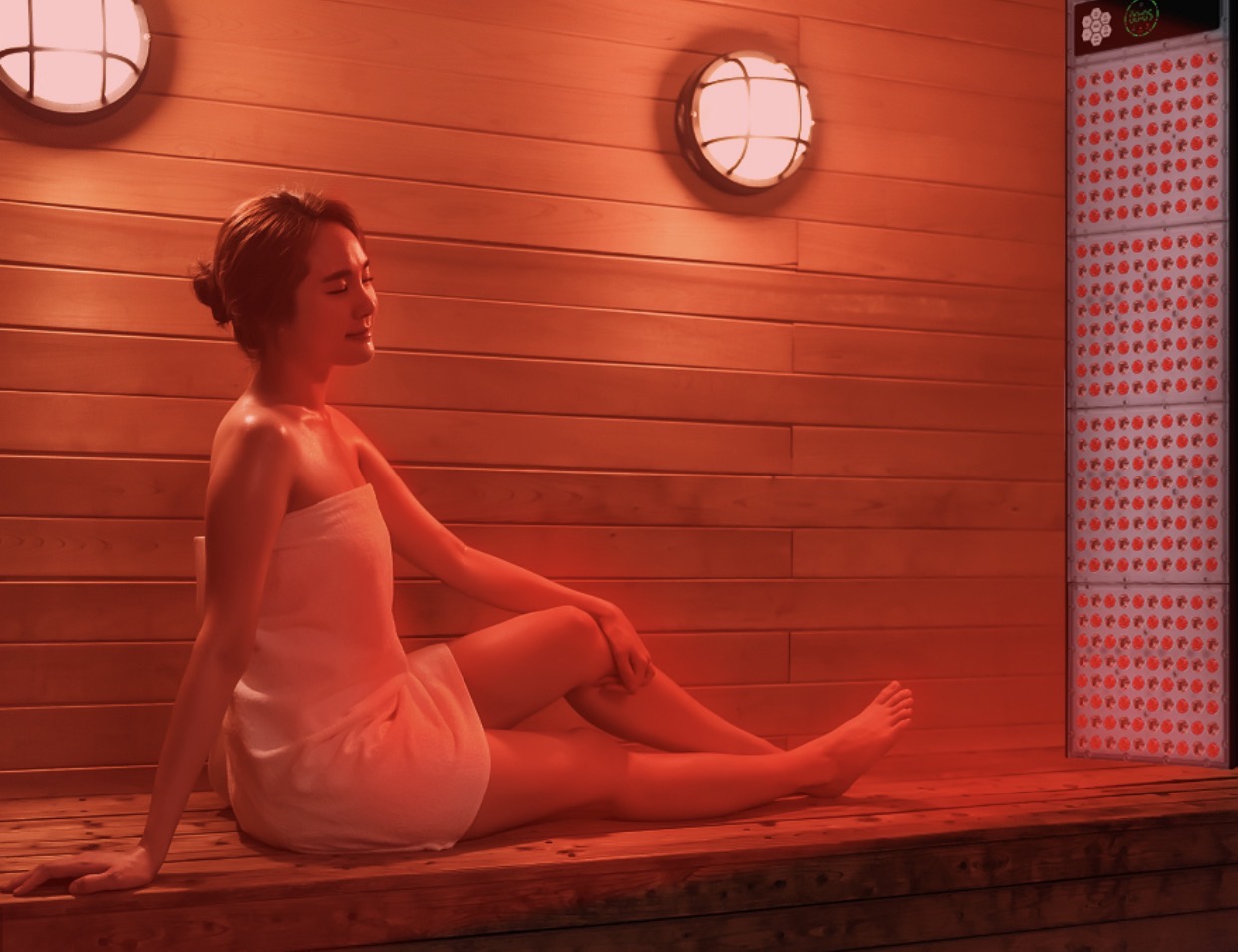
Red Light vs. Blue Light at Night
Why do people treat red light differently from blue light at night? The answer comes down to how the eye and brain respond to different wavelengths.
Phones, laptops, tablets, and most overhead LED lighting emit blue light. This wavelength range is most strongly linked to suppressing melatonin production in the evening. That’s a big reason sleep experts often suggest limiting screen time before bed.
Red light sits at the opposite end of the visible spectrum. Researchers generally consider it less disruptive to the body’s natural evening wind-down signals than bright blue or white light. That said, no evidence shows that red light actively boosts melatonin or causes sleepiness on its own.
Here’s a simple way to think about it:
| Light Type | Common Evening Effect |
|---|---|
| Bright blue/white light | May interfere with the body’s natural wind-down signals |
| Dim, warm light | Generally supports a relaxed evening environment |
| Red/near-infrared light | Causes less disruption than blue light, though it hasn’t been proven to actively improve sleep |
Keep this distinction in mind as you build an evening wellness routine and choose lighting for your space.
How Red Light May Fit Into a Bedtime Routine
Don’t treat red light therapy as a stand-alone solution. Many people fold it into a broader wind-down routine instead, alongside stretching, reading, or dimming the lights before bed.
A few common ways people use it:
- As a short relaxation session after switching off screens
- Alongside gentle stretching or breathing exercises
- As part of a consistent pre-bed sequence that signals to the body it’s time to slow down
If you’re new to at-home light therapy, check out our guide on how to use a red light therapy mat. It walks through setup basics and session length, which can help you see how a mat fits into a daily routine.
When Should You Use Red Light Therapy for Sleep?
Most people use red light therapy 30 to 90 minutes before bed. That timing gives you a chance to relax afterward instead of rushing into other bright-light activities.
Keep a few practical points in mind:
- Avoid switching to a bright phone or laptop screen right after your session. Doing so can undo the calming effect.
- Keep the room reasonably dim during and after the session to support a relaxed environment.
- Stay consistent. One session probably won’t feel much different from your normal routine, but a regular habit may feel more noticeable over time.
There’s no universally “correct” time for red light therapy before bed. Experiment and find what fits your own schedule.
How Long Should a Red Light Therapy Session Last?
Session length varies by device and personal preference. Manufacturers usually provide guidance specific to their own products. As a general starting point, many at-home users begin with 10-to-20-minute sessions and adjust from there based on comfort.
Always follow the manufacturer’s instructions for your specific device. Panel strength, distance from the light source, and device design all affect the right session length, so a single number won’t work for everyone.
Red Light Therapy Mat vs. Panel for Evening Use
Choosing between a mat and a panel for nighttime use often comes down to how you want to spend the session.
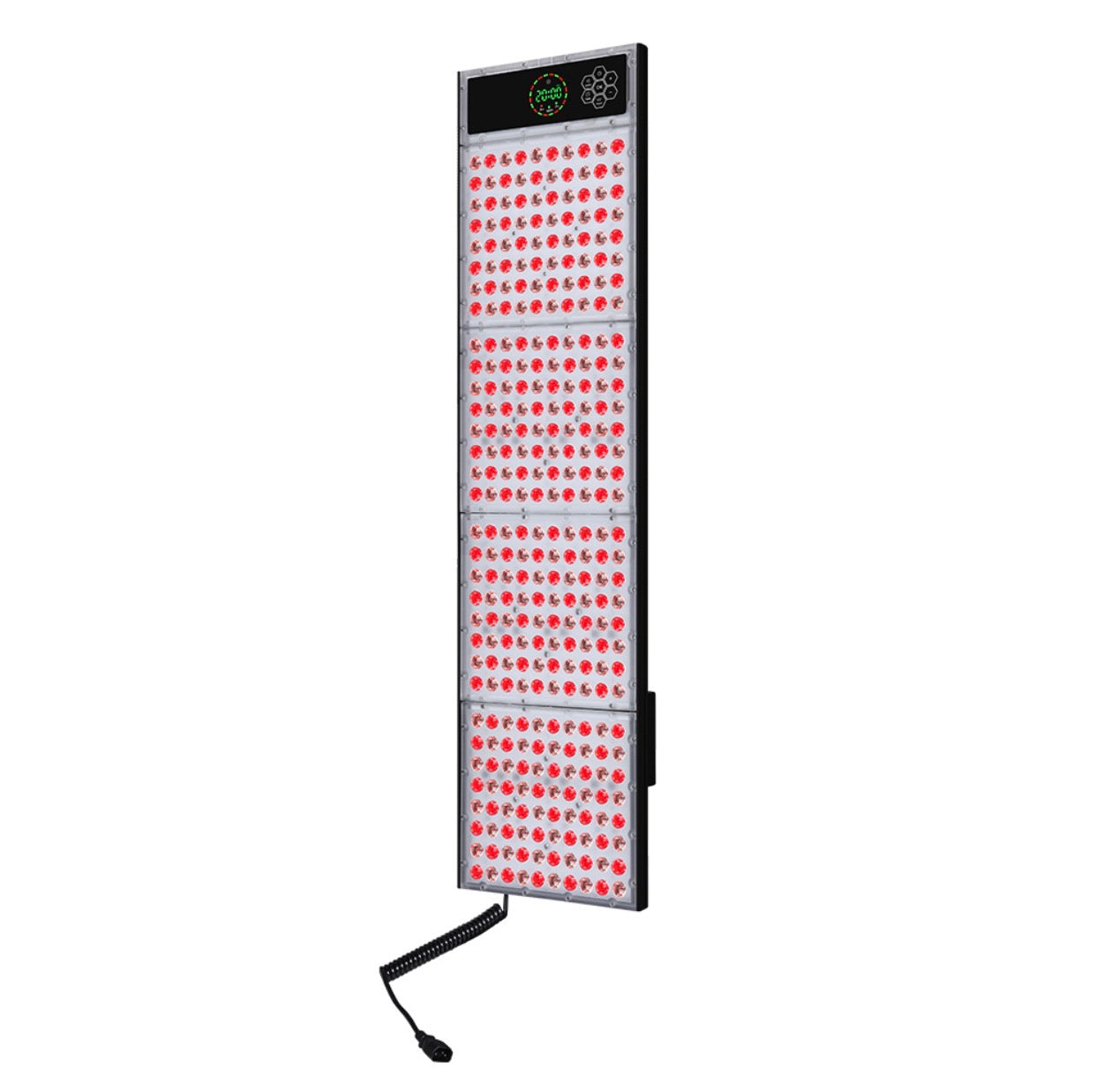
A red light therapy mat lets you lie down and relax. Some people find this format better suited to a calming bedtime routine, since it naturally encourages you to slow down. A panel works differently. People often use it for targeted sessions on one area of the body while standing or sitting.
Our comparison guide on red light therapy mat vs. panel breaks down the practical trade-offs between the two formats in more detail.
The LuxReda Full Body Red Light Therapy Mat is one option built for full-body evening use. It uses 660nm red light and 850nm near-infrared light. The mat has a 71″ x 33″ treatment surface, includes 2,570 LED beads, and offers three operating modes. That combination gives you some flexibility in how you use it during an evening routine.
Can Near-Infrared Light Be Used at Night?
Yes. Near-infrared light, like the 850nm wavelength used in many full-body devices, is invisible to the human eye. Researchers generally group it with red light in terms of lower association with nighttime light disruption compared to blue or bright white light.
Because near-infrared light isn’t visible, it doesn’t create that “bright light in a dark room” feeling that can jar you right before bed. That’s one reason manufacturers often pair it with red light in full-body red light therapy devices built for evening use.
If you’re comparing full-body options, check our full-body red light therapy device buying guide. It covers coverage area, wavelength combinations, and session flexibility.
How to Create a Red Light Therapy Bedtime Routine
Building a routine doesn’t need to be complicated. A simple, sustainable approach tends to work better than an elaborate one you won’t stick with.
A simple starting structure:
- Finish bright-screen activities 30 to 60 minutes before your planned bedtime.
- Dim your overhead lighting and switch to your red light therapy device.
- Use the device for the session length your manufacturer recommends, in a relaxed position.
- Follow with a calming activity, such as light stretching, reading a physical book, or quiet breathing.
- Keep lighting dim as you transition into bed.
Small, repeatable habits like this tend to matter more than any single tool. A red light therapy mat or panel can support that routine, but consistency across your whole evening tends to make the biggest difference in how you feel.
If you’re comparing full-body formats for a nightly routine, check our guides on the red light therapy blanket and its reported benefits. They cover another format some people use for relaxed, lie-down sessions.
Safety Considerations and Who Should Ask a Healthcare Professional
Red light therapy devices generally carry lower risk than UV-based devices, since they don’t emit ultraviolet light. Still, keep these safety points in mind:
- Always follow the manufacturer’s instructions for distance, session length, and eye protection if recommended.
- Talk to a healthcare professional before starting red light therapy if you’re pregnant, have a photosensitive skin condition, or take photosensitizing medication.
- Consult a doctor if you have a diagnosed sleep disorder or chronic insomnia. Don’t rely on red light therapy alone.
- Stop use and consult a healthcare professional if you notice any unusual skin reaction or discomfort.
None of this should alarm you. It’s simply a reminder that red light therapy is a wellness tool, not a medical device prescribed to treat a condition. Use it with the same common sense you’d apply to any at-home wellness product.
Frequently Asked Questions
Strong scientific evidence doesn’t yet confirm that red light therapy speeds up sleep onset. Some people find a calming pre-bed routine helpful, and red light sessions can be part of that. It hasn’t been proven as a direct sleep aid, though.
They serve different purposes. Blue light blockers reduce exposure to a wavelength linked to melatonin suppression. Red light therapy adds a separate, active light exposure to your evening routine. Neither one directly substitutes for the other.
Many at-home users add red light therapy to a nightly routine. Follow your manufacturer’s guidance on frequency for your specific device, and check with a healthcare provider first if you have any health concerns.
Near-infrared light is invisible, and researchers generally consider it less disruptive than blue or bright white light in the evening. Research directly comparing it to sleep outcomes remains limited, though.
For most healthy adults, using a red light therapy device shortly before bed carries low risk when you follow manufacturer instructions. If you’re pregnant or have certain skin conditions, check with a doctor first.
Final Takeaway
Red light therapy isn’t a guaranteed fix for sleep problems. It’s also not a replacement for medical care if you deal with ongoing insomnia or another sleep disorder. What it can be is one small, low-disruption addition to an evening routine that already includes dimmer lighting, less screen time, and some intentional wind-down time.
Curious to try it? Start simple. Pick a consistent time, keep sessions reasonable, and pair the habit with routines that already support good sleep hygiene. Taking a few quiet minutes for yourself before bed counts as real self-care. It’s worth making room for, whether or not red light therapy ends up part of it.
Exploring at-home options? Our best red light therapy device guide and our broader guide to red light therapy in the USA and Canada make good next steps if you want to compare formats before choosing one for your own routine.
Thank you