Carving out even ten quiet minutes for yourself can make a difference in how you feel by the end of the day. For a lot of people, that quiet time now includes a red light therapy blanket.
If you’ve been researching red light therapy blankets, you probably have real questions. What do the numbers on the box actually mean? Is a full-body mat different from a small panel? And is any of this worth the investment?
This guide answers those questions directly. You’ll learn what a red light therapy blanket is, how 660nm and 850nm wavelengths work, what the current research says about potential benefits, and what to look for before you buy one for your home.
What Is a Red Light Therapy Blanket?
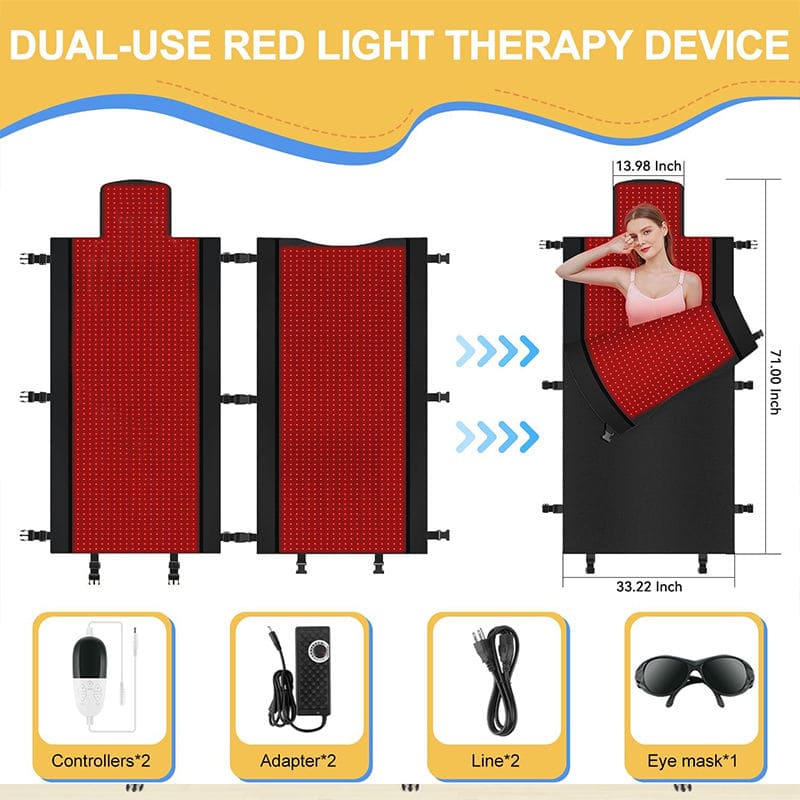
A red light therapy blanket is a foldable mat lined with LED lights that wraps around most of the body at once. Many people call it a red light therapy sleeping bag because of its zip-up, cocoon-style shape.
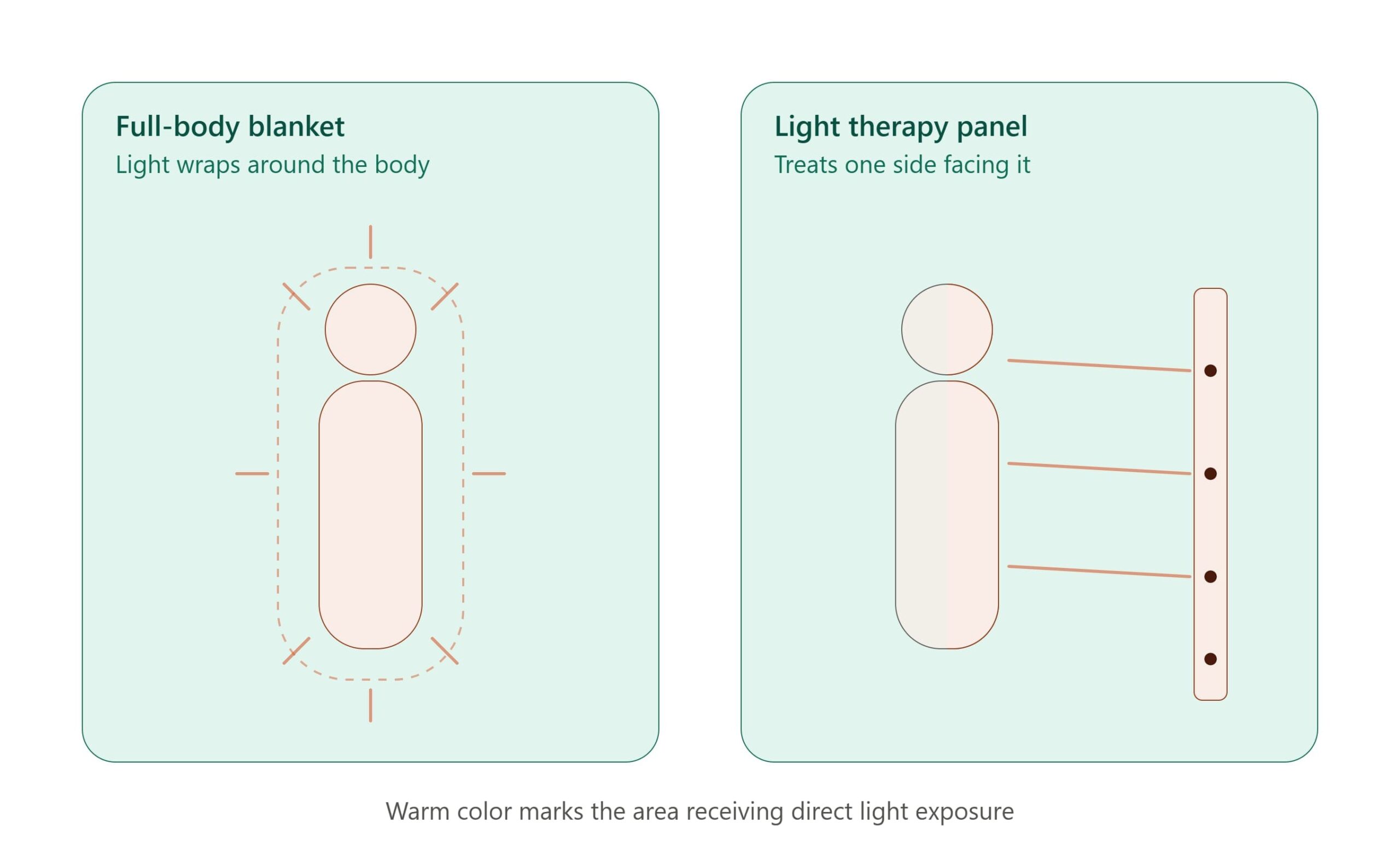
Instead of standing in front of a wall-mounted panel, you lie down inside the blanket. The LEDs sit close to your skin on nearly every side, which is why these products are often marketed as full body red light therapy systems.
Most home units use two types of light:
- Red light, typically around 660nm
- Near-infrared light, typically around 850nm
Together, these are known as red and near-infrared wavelengths, and they form the foundation of most modern light therapy mats.
How Does a Red Light Therapy Blanket Work?
Red light therapy blankets work through a process called photobiomodulation. In simple terms, the LEDs deliver low levels of light energy to skin cells over a set period of time.
This is different from tanning or sun exposure because red light therapy does not use ultraviolet (UV) light. According to the Cleveland Clinic, LED light therapy does not involve UV light, so it does not cause the type of skin damage associated with UV exposure.
During a session, you simply lie inside the blanket for a set amount of time while the LEDs stay on. Most home mats, including full-body designs, include a timer so you don’t need to track the minutes yourself.
Research on photobiomodulation is still developing. The National Center for Complementary and Integrative Health (NCCIH) notes that some studies on low-level laser and light therapy for pain show promising results, though the exact mechanisms are not yet fully understood.
What Are 660nm and 850nm Wavelengths?
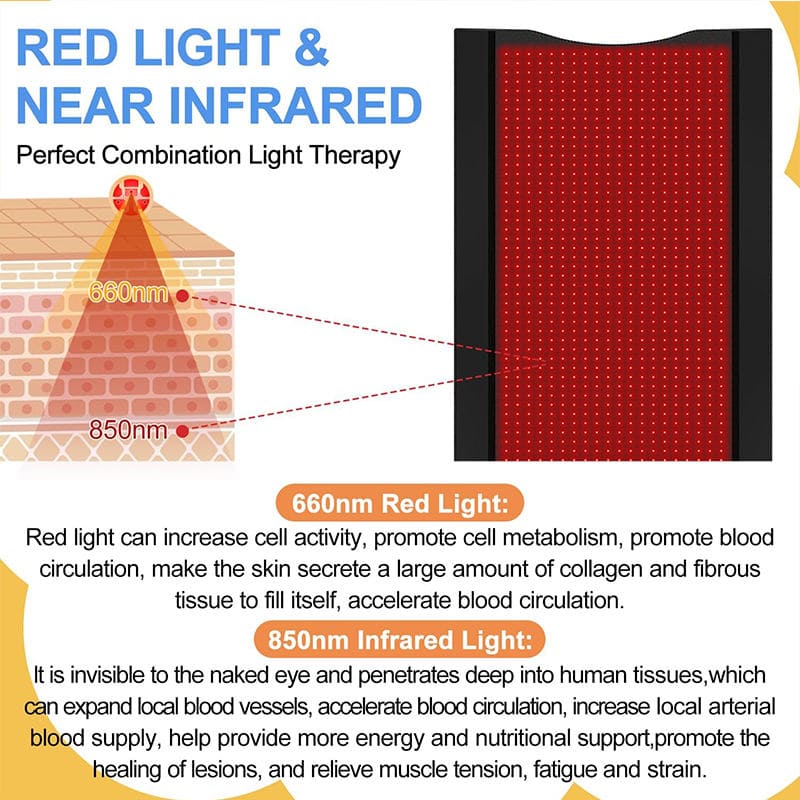
The numbers you see on product listings, like “660nm” or “850nm,” refer to the wavelength of light measured in nanometers. Wavelength determines how deeply the light travels into tissue and what it’s generally used for.
Here’s a simple breakdown:
| Wavelength | Light Type | General Use |
|---|---|---|
| 660nm | Visible red light | Works closer to the skin’s surface |
| 850nm | Near-infrared light | Travels deeper into tissue |
660nm red light sits at the edge of what the human eye can see and is commonly associated with surface-level skin appearance. 850nm near-infrared light is invisible to the eye but is often chosen for its ability to reach deeper into muscle and joint tissue.
Combining both wavelengths in one device is often called dual wavelength therapy, and it’s the reason most full-body mats, including the LuxReda Extra Large Full Body Red Light Therapy Mat Blanket, pair 660nm and 850nm LEDs instead of using just one.
Potential Benefits of Full-Body Red Light Therapy
It’s worth saying this clearly: red light therapy is not a proven cure or treatment for any disease. What research does suggest is that it may support certain wellness goals when used consistently as part of a routine.
Based on current research and common industry use, full-body red light therapy is generally associated with:
- Support for post-workout muscle recovery
- Temporary comfort for everyday muscle tension
- A relaxing wind-down routine before bed
- Support for a healthy-looking skin appearance
- A calming addition to an evening self-care routine
The Cleveland Clinic points out that while some studies on red light therapy show promise, especially for skin appearance, larger and more conclusive studies are still needed. It’s a good habit to treat red light therapy as one part of a broader wellness routine rather than a stand-alone fix.
For many people, that routine looks like ten quiet minutes with their phone out of reach, some slow breathing, and a chance to simply unwind before bed.
Red Light Therapy Blanket vs. Red Light Therapy Panel
Panels and blankets both use the same core technology, but they’re built for different needs. Understanding the difference makes it easier to choose the right one.
| Feature | Red Light Therapy Blanket | Red Light Therapy Panel |
|---|---|---|
| Coverage | Wraps around most of the body at once | Treats one side of the body facing the panel |
| Positioning | Lie down, hands-free | Often requires standing or sitting close to the panel |
| Storage | Folds for storage | Usually mounted or freestanding |
| Session style | Passive, relaxing | Requires staying in position facing the light |
| Best for | Full-body sessions in one go | Targeted areas like the face or a single joint |
If your goal is targeted treatment of one small area, like your face or a single knee, a panel or smaller device may be more practical. If you’re looking for full body red light therapy without repositioning a panel multiple times, a blanket-style mat is built for that purpose.
How to Use a Red Light Therapy Blanket at Home
Getting started with a red light therapy blanket at home is straightforward. Most people fall into a simple routine within the first week or two.
Here’s a general approach:
- Set up on a flat, stable surface. A bed or the floor both work well.
- Wear light, comfortable clothing or follow the manufacturer’s clothing guidance.
- Lie inside the blanket and close it around your body.
- Set the timer to the manufacturer’s recommended session length.
- Stay relaxed and still for the duration of the session.
- Fold and store the blanket once you’re finished.
Many people build this into an existing home wellness routine, using it after a workout, before bed, or during a quiet moment in the evening. A few slow breaths while the timer runs can turn a therapy session into a genuine moment of relaxation and recovery.
How Long Should You Use a Red Light Therapy Blanket?
Session length varies by device and manufacturer, so it’s important to follow the specific instructions that come with your unit. Most home red light therapy blankets offer adjustable timers, which allow you to start with shorter sessions and adjust from there.
A few general points to keep in mind:
- Longer isn’t automatically better. Follow your device’s recommended range instead of guessing.
- Consistency tends to matter more than any single session length.
- Adjustable timers make it easy to start conservatively and build a routine gradually.
Because individual devices differ in intensity and irradiance, always check the specific timer range listed for your unit rather than relying on generic advice from unrelated products.
What to Look for When Choosing a Red Light Therapy Blanket
Not all red light therapy blankets are built the same way. A few practical factors can help you compare products more confidently.
LED density and wavelengths. Look for a listed LED count and confirmed wavelengths, ideally including both red and near-infrared light.
Coverage area. Extra-large designs are meant to accommodate taller users and provide fuller body coverage, from shoulders down to the feet.
Timer and intensity controls. Adjustable settings let you customize sessions instead of using a single fixed setting.
Build quality and materials. Waterproof or wipeable exteriors make cleaning easier, especially with regular use.
Portability. A foldable design matters if you plan to store the blanket between sessions or don’t have a dedicated space for it.
EMF design. Some manufacturers highlight low-EMF construction as a design consideration for people who are mindful of electromagnetic exposure.
Warranty and included accessories. A clear warranty period and included accessories, such as a remote control, add practical value beyond the base unit.
Red Light Therapy Blanket Safety Considerations
Red light therapy is generally considered a non-invasive, low-risk wellness tool when used as directed. That said, a few safety basics apply to any at-home light therapy device.
- Follow the manufacturer’s session and timer guidelines. Don’t exceed recommended session lengths.
- Avoid falling asleep with the device running unless the manufacturer specifically states it’s designed for that use.
- Check with a healthcare provider first if you’re pregnant, have a photosensitivity condition, take medication that increases light sensitivity, or have a history of skin cancer.
- Use any included eye protection or face covering if the product provides one, since direct light exposure to the eyes should generally be limited.
- Keep the device dry and clean according to the manufacturer’s care instructions.
If you experience unusual skin irritation, discomfort, or any adverse reaction, stop use and consult a healthcare professional. This article is for general educational purposes and isn’t a substitute for personalized medical advice.
Is a Full-Body Red Light Therapy Blanket Worth It?
This comes down to your goals, your budget, and how consistently you’re likely to use it. A full-body blanket makes sense if you want hands-free, whole-body sessions without repositioning a panel, and if you’re planning to make light therapy a regular part of your week rather than an occasional experiment.
It may be less practical if you only want to target one small area, like your face, where a smaller device could be more cost-effective.
Think of it less as a single purchase decision and more as an investment in a routine. A tool only pays off when it actually gets used, so honesty about your own habits matters as much as the specs on the box.
LuxReda Extra Large Full Body Red Light Therapy Mat Blanket
For readers comparing specific products, the LuxReda Extra Large Full Body Red Light Therapy Mat Blanket is one option built around the full-body, foldable format described above.
Based on the manufacturer’s published specifications, the mat includes:
| Specification | Detail |
|---|---|
| Wavelengths | 660nm Red + 850nm Near Infrared |
| LED Type | High-density 3020 LEDs |
| Power Consumption | 320W |
| LED Wattage | 5W |
| Irradiance | 170mW/cm² |
| Dimensions | 98″ x 32″ |
| Weight | 11.5 lbs |
| Timer Range | 10–90 minutes |
| Pulse Mode | 10Hz–40Hz |
| EMF | Low/minimal design |
| Material | Waterproof neoprene outer, latex-free PVC inner |
| Beam Angle | 30° |
| Warranty | 1 year |
| Included Items | Therapy blanket, face dome, 2 remote controls, power supply |
The blanket is designed to provide coverage from the neck down through the feet, and its foldable, sleeping-bag-style construction is built for storage between sessions. As with any home wellness device, review the manufacturer’s usage and safety instructions before your first session.
Frequently Asked Questions
The terms are often used interchangeably. Both describe a flexible, foldable surface lined with LEDs. “Blanket” or “sleeping bag” usually points to a full-body, wraparound design, while “mat” can describe either a wraparound blanket or a flat panel you lie on top of.
Many manufacturers design their timers and settings for regular use, but daily frequency depends on your specific device. Check your product’s instructions, and consider starting with a few sessions per week before increasing frequency.
This depends on the manufacturer’s guidance. Some people use the blanket over light clothing, while others follow specific skin-exposure recommendations from the manufacturer.
No. Red light therapy blankets use red and near-infrared LED light, not ultraviolet (UV) light. Tanning beds use UV light specifically to darken skin, which carries different risks and regulatory considerations. Red light therapy devices are not designed or marketed for tanning.
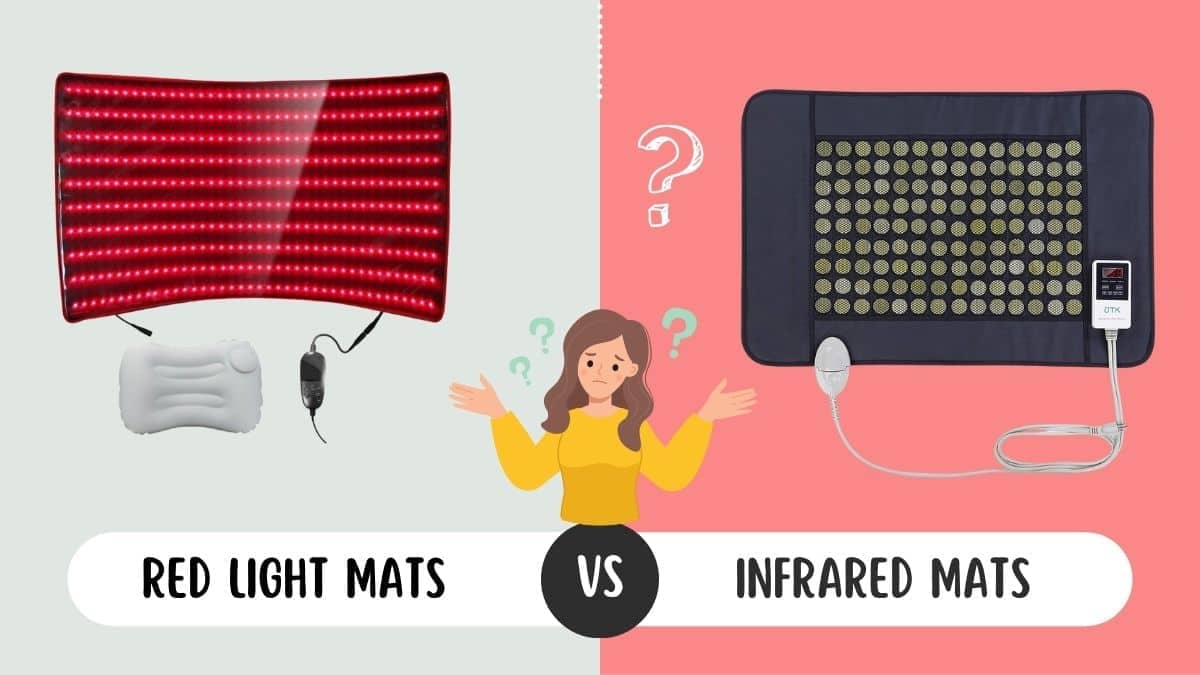
Infrared sauna blankets are generally designed to heat the body and promote sweating, while red light therapy blankets focus on LED wavelength exposure rather than heat generation. Some products may combine elements of both, so it’s worth checking a specific product’s description carefully.
People who are pregnant, taking photosensitizing medication, or managing a condition that affects light sensitivity should talk to a healthcare provider before starting red light therapy.
Final Thoughts
A red light therapy blanket won’t replace sleep, movement, or a balanced routine, but it can be a comfortable addition to how you unwind and take care of yourself. Whether you use it after a workout or as part of a quiet evening routine, the goal is the same: a few consistent minutes set aside for yourself.
Start small, follow your device’s instructions, and let the routine build naturally over time. Small, steady habits like this one tend to add up in ways that feel good long after the timer goes off.