Caring for your scalp is a small act of self-care, and it works best when it fits into your week without stress. A good laser hair growth comb routine is simple, steady, and easy to repeat.
This guide is for adults in the US and Canada who want to use an at-home device with confidence. You will learn how to set a schedule, use the comb correctly, stay safe, and track progress with realistic expectations. For a technical overview of how the device works, read LuxReda’s 650nm laser hair growth comb guide first. This article covers the daily habits that guide leaves out.

The Short Answer: What a Good Routine Looks Like
A good routine has four parts:
- Follow the manual. Your device instructions set the session length and weekly frequency.
- Prepare the scalp. Start with dry, clean hair and no heavy products.
- Stay consistent. Regular sessions matter more than occasional long ones.
- Track progress. Use monthly photos and a simple log instead of daily mirror checks.
Light therapy is a long game. Research trials measure change over months, not days. Plan your routine around that timeline.
How Low-Level Laser Therapy Fits Into Hair Care
Low-level laser therapy (LLLT) uses low-power red light on the scalp. Researchers call the general process photobiomodulation. The light is meant to interact with cells in and around the hair follicle. Comb-style devices use laser diodes, and some designs add LEDs. The comb teeth part your hair so the light can reach the scalp.
What Research Says About LLLT in General
Studies of LLLT for pattern hair loss show encouraging but limited results. A 2021 meta-analysis of home-use LLLT devices pooled seven double-blind, randomized trials. It found higher hair density with LLLT than with sham devices. The authors still called for longer follow-up studies.
An earlier review of clinical trials reached a similar view. It said more research must define the best power and wavelength. In short, the science is promising, and it is not finished.
General Research vs. a Specific Device
This distinction matters. Those studies tested other devices under controlled conditions. They do not prove how any particular comb performs, including the LuxReda HairRevive Pro™. This article does not claim clinical results for that product. Treat it as a consistent scalp-care tool, and let your own tracking tell you what you see.
Step-by-Step: Building Your Routine
You do not need a complicated plan. You need a plan you can repeat.
Step 1: Choose a Schedule You Can Keep
Use the frequency and session length in your device manual. Then anchor sessions to habits you already have, such as:
- After your evening shower, once your hair is dry
- During a podcast or a favorite show
- On the same fixed days each week
Pick days that survive a busy week. A plan that fits a calm Sunday but fails on Wednesdays will not last.
Step 2: Prepare Your Scalp and Hair
Start with dry hair that is free of heavy oils, sprays, or thick styling products. Product buildup can block light and make combing harder. Remove hats and hair accessories. Detangle gently so the comb glides through.
Step 3: Use the Comb With Care
The comb teeth need contact with your scalp. Move slowly in sections, such as the front, top, crown, and sides. Follow your manual for pacing and power settings. If your device has adjustable power levels, start with the setting the manual recommends. Do not rush through a section to finish early.
Step 4: Close Out the Session
Turn the device off and let it rest. Wipe the comb teeth as the manual directs. Recharge a cordless comb on a regular schedule so a dead battery never skips a session. Many people like to end with a gentle scalp massage by hand. It feels good, and it builds the habit.
A Sample Weekly Template
Use this as a planning layout, not a treatment schedule. Swap in the frequency from your manual.
| Day | Plan |
|---|---|
| Session days | Dry hair, comb sections, full session, wipe teeth |
| Off days | Normal scalp care, gentle washing |
| Once a week | Check battery, clean comb teeth |
| Once a month | Take progress photos and update your log |
Consistency: Where Most Routines Break Down
Most people do not quit because the device fails. They quit because the routine slips. Here are the most common mistakes:
- Skipping weeks, then doubling up. Extra time in one session does not make up for missed days. Return to your normal schedule.
- Changing settings too often. Keep conditions stable so your tracking means something.
- Combing over product-heavy hair. Buildup gets in the way.
- Judging results too early. Hair moves through growth cycles slowly. A few weeks is rarely enough to see a trend.
- Checking the mirror daily. Hair looks different in every light. Daily checks create worry, not information.
A few small habits help. Keep the comb where you will see it. Set a phone reminder. Mark each session on a calendar. Your wellness routine should feel comfortable and easy to maintain, not like another chore.
Safety: What to Know Before Each Session
Safe use starts with your manual. Read it fully before your first session. Then keep these general points in mind.
Protect Your Eyes
Laser light calls for respect. Do not aim the device at your eyes or anyone else’s. Follow the manual’s guidance on eye protection. Keep the comb away from children and pets.
Know Who Should Ask a Professional First
Check with a qualified clinician before starting if you:
- Take medications that increase light sensitivity
- Have a scalp condition, open wounds, or active irritation
- Are pregnant or nursing
- Have a medical device or health condition that your manual flags as a concern
Watch for Scalp Reactions
Stop using the device and talk with a professional if you notice irritation, redness, or discomfort that does not go away. Do not push through it.
Know When to See a Dermatologist
Hair loss has many causes. Genetics is common, but stress, nutrition, hormones, illness, and medications can all play a role. Sudden shedding, patchy loss, scalp pain, or hair loss that keeps getting worse deserves a medical visit. The American Academy of Dermatology notes that a dermatologist can identify the type of hair loss and explain realistic treatment options. A home device does not replace a diagnosis.
Tracking Progress and Setting Realistic Expectations
Tracking turns a vague hope into usable information. It also keeps you honest. You can see slow change that daily mirror checks miss.
A Simple Tracking Method
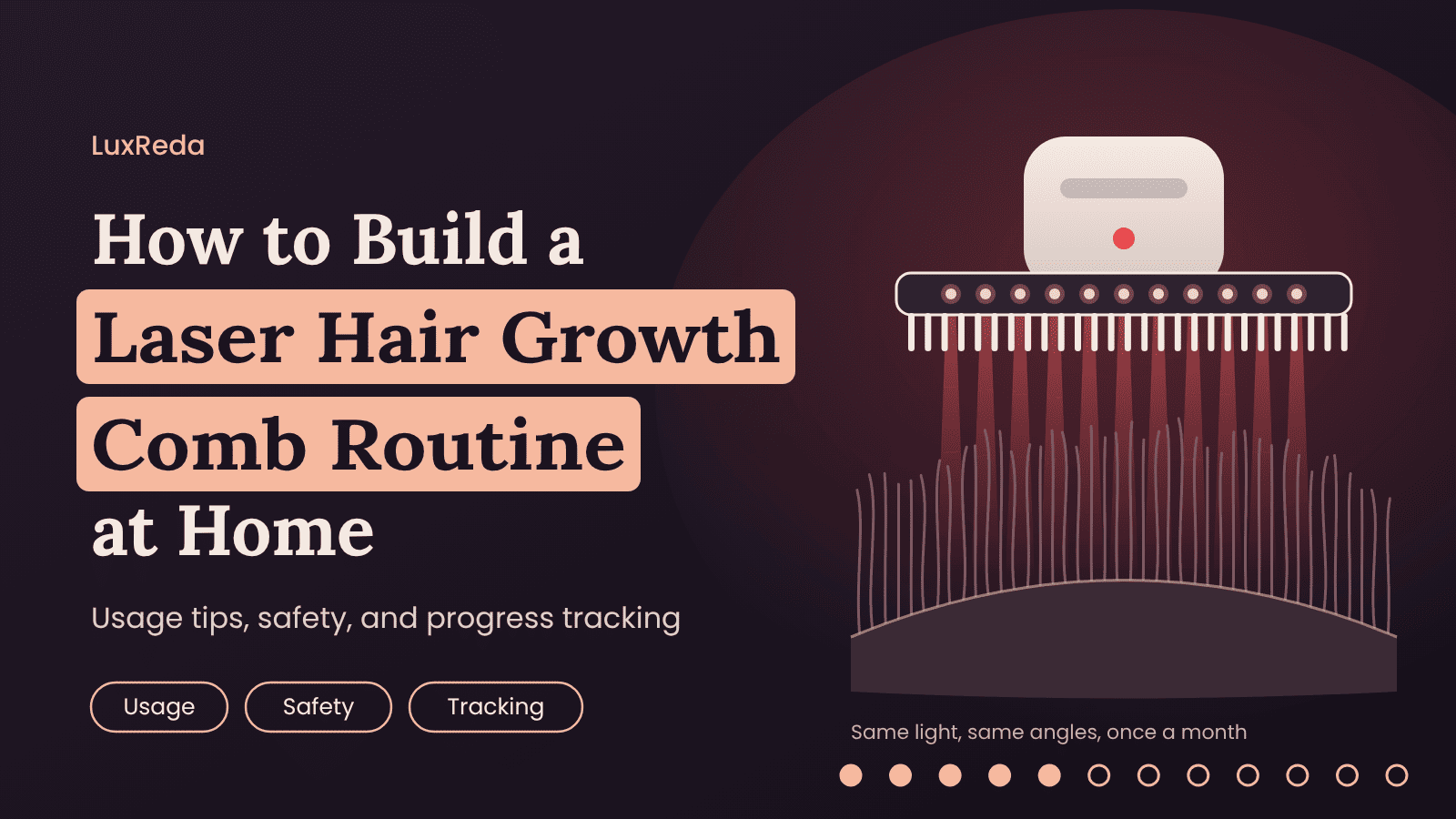
Take photos before your first session. Then repeat them every month under the same conditions:
- The same room, light, and time of day
- Hair dry and parted the same way
- Five angles: front hairline, part line, crown, left side, right side
- A short note about shedding, scalp feel, and sessions completed
Store the photos in one folder. Add a single-line log entry each week. After a few months, you will have a clear record to compare, or to show a dermatologist.
Why Results Vary From Person to Person
Two people can follow the same routine and see different outcomes. Several factors play a role:
- The cause and stage of the hair loss
- Age, genetics, and overall health
- Hair thickness and color
- How consistently the person uses the device
- Other hair care, medications, or treatments
No routine can promise regrowth, and no responsible brand should. Aim for steady habits and honest observation. You may notice changes in how your hair looks or feels. You may also notice nothing. Both outcomes are information.
Combining LLLT With Other Care
Some research looks at LLLT alongside other treatments, such as minoxidil. If you already use a prescription or over-the-counter hair treatment, ask your dermatologist how a comb fits in. Keep your tracking steady so you can see what changes over time. LuxReda’s piece on moving from beauty hype to clinical-grade home therapy offers useful context on judging home wellness technology with a clear head.
What to Look for in an At-Home Laser Comb
Your routine only works if the device is comfortable to use. Before you buy, check these points:
- Wavelength: 650nm red light is common in comb-style devices.
- Light sources: Check how many laser diodes and LEDs the comb uses.
- Power control: Adjustable levels give you room to follow your manual.
- Cordless design: A rechargeable comb moves easily around your head.
- Comfort and weight: A heavy or awkward comb is hard to use consistently.
- Clear instructions: Good documentation makes safe use easier.
- Transparent claims: Be cautious of any brand that promises guaranteed results.
Where the LuxReda HairRevive Pro™ Fits
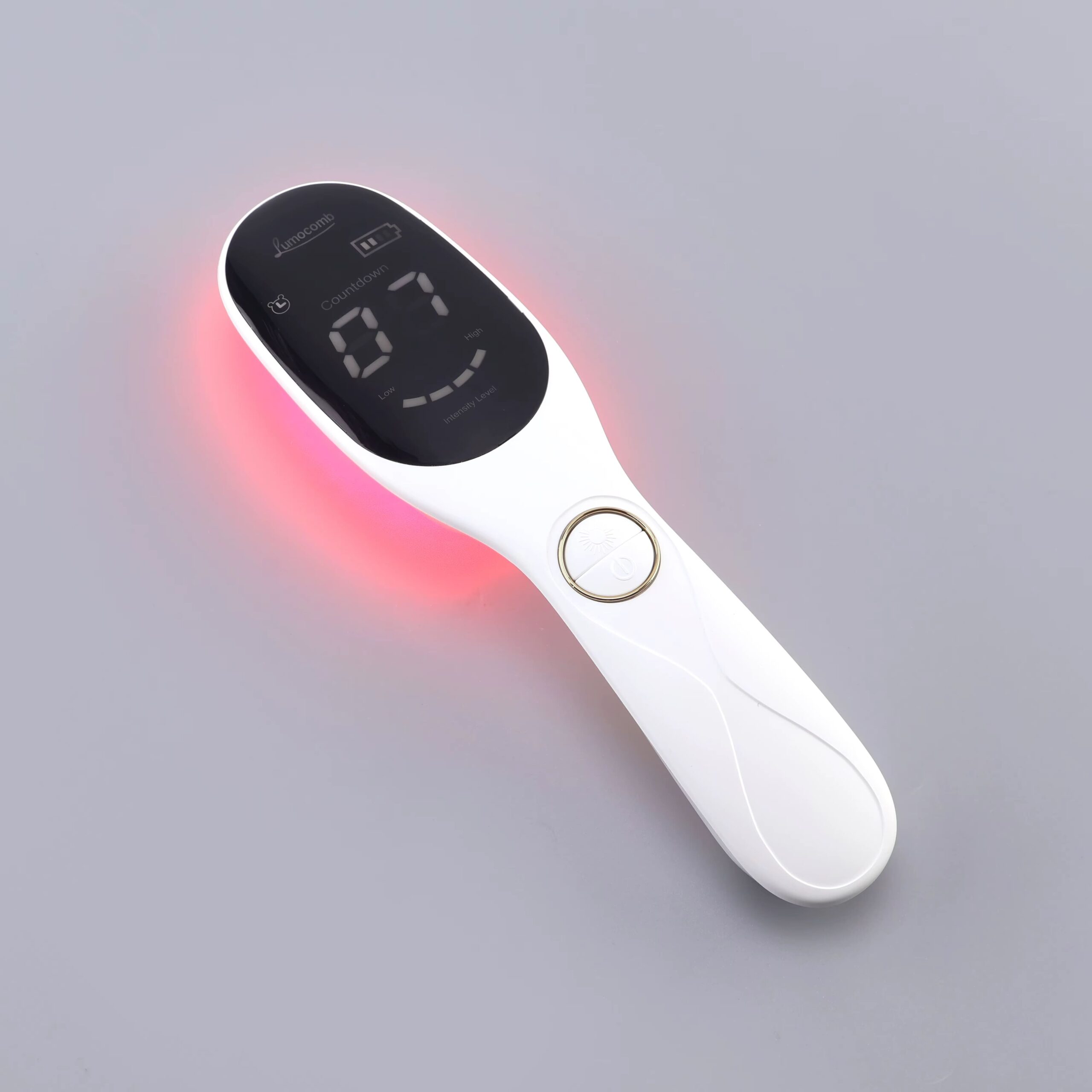
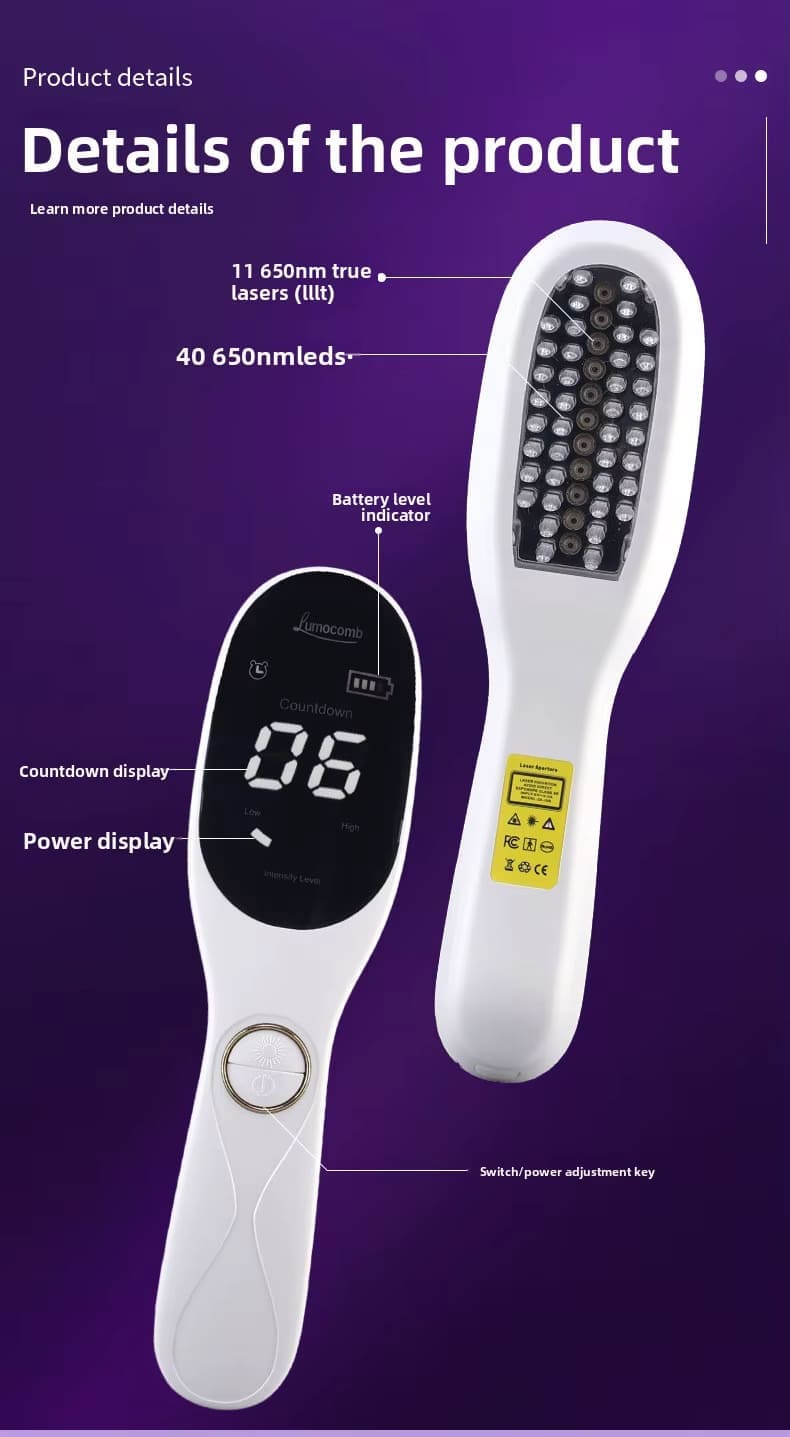
The LuxReda HairRevive Pro™ 650nm Laser Hair Growth Comb is an at-home hair therapy device. LuxReda lists a 650nm wavelength and 51 light sources, made up of 11 laser diodes and 40 LEDs. The comb is cordless and has adjustable power levels.
Those details suit a routine-based approach. The cordless design makes it easy to work around your whole scalp. The adjustable power levels let you follow your manual’s guidance. Before you buy, review the full specifications and instructions on the official product page.
Frequently Asked Questions
Start with dry, product-free hair. Part your hair with the comb teeth and move slowly across your scalp in sections. Use the session length, frequency, and power setting in your manual. Never aim the device at your eyes.
Follow the schedule in your device’s instructions. Frequency varies by product, and more is not always better. A steady weekly pattern is easier to keep than an aggressive one.
Hair grows slowly, so most research looks at changes over months. Results vary, and some people may not notice a change. Monthly photos help you judge progress fairly.
Research on LLLT includes both men and women with pattern hair loss. Whether a specific device suits you depends on your hair loss type and health. A dermatologist can help you decide.
Many people use these devices at home by following the manual carefully. Protect your eyes, stop if irritation appears, and check with a clinician if you have a scalp condition or take light-sensitizing medication.
It is a smart first step, especially for sudden, patchy, or fast-progressing hair loss. A dermatologist can find the cause. That matters because some causes need medical treatment.
Do not panic and do not double up. Return to your normal schedule and note the gap in your log.
Conclusion: Start Small and Stay Steady
A laser hair growth comb routine works best when it is simple, safe, and repeatable. Follow your manual, prepare your scalp, protect your eyes, and track progress month by month. Keep your expectations honest, and talk with a dermatologist about hair loss that is sudden, unexplained, or persistent.
If you want a cordless option to build that routine around, explore the HairRevive Pro on the official LuxReda product page. You can also browse more home wellness tools on the LuxReda homepage.
Be kind to yourself along the way. Choose habits that feel good, make time for your scalp care, and enjoy the quiet few minutes it gives you each week.