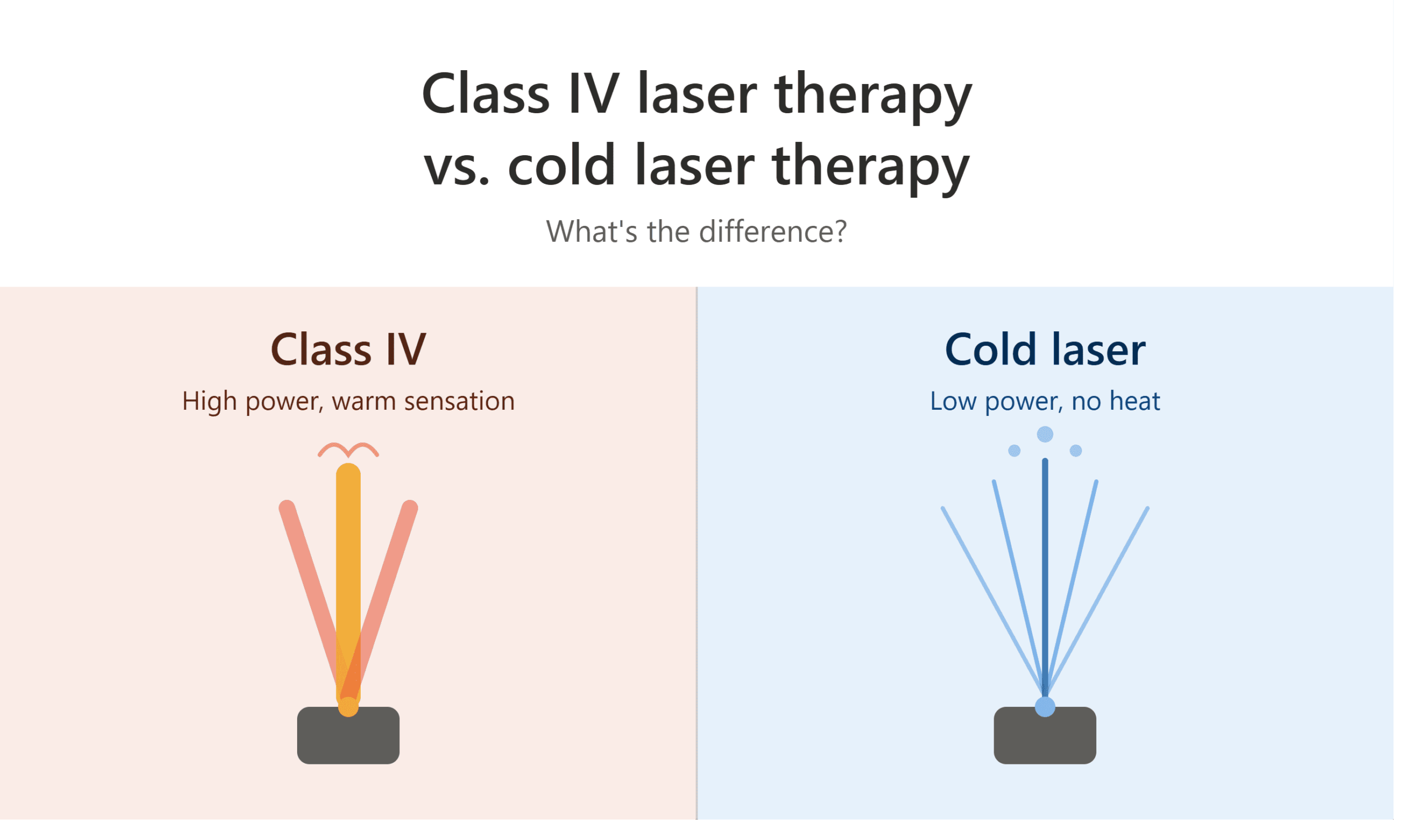
Taking care of aching muscles and stiff joints is part of staying active and feeling good in daily life. If you have researched pain-relief options, you have probably run into two terms that sound similar but are not the same thing: Class IV laser therapy and cold laser therapy.
Both use light to support the body’s natural healing process, but they differ in power, treatment time, and how they are typically used. This guide breaks down what separates Class IV laser therapy from cold laser therapy, what the safety classifications actually mean, and what to consider if you are researching a Class IV laser therapy device for home or clinical use in the United States or Canada.
What Is Class IV Laser Therapy?
Class IV laser therapy uses a higher-powered laser to deliver red and near-infrared light into tissue. The “Class IV” label is a laser safety classification, not a marketing term. It comes from the FDA’s Center for Devices and Radiological Health (CDRH) and the international IEC 60825-1 standard, which group lasers by how much optical output they produce and how much precaution that output requires.
Under this system, the FDA recognizes four major hazard classes of lasers, and the higher the class, the more powerful the laser and the greater the potential risk if it is used improperly. Class IV sits at the top of that scale. ncdhhs
In practice, this higher power means:
- Treatment sessions are often shorter than with lower-powered devices.
- The laser can produce a mild, comfortable warming sensation in the treatment area.
- Larger areas of tissue can be treated in a single session.
Because output is higher, professional-use lasers are generally found in Classes IIIb and IV, and proper training, eye protection, and manufacturer instructions matter more than with lower-power devices. ncdhhs
What Is Cold Laser Therapy (Low-Level Laser Therapy)?
Cold laser therapy is the common name for low-level laser therapy, or LLLT. These devices typically fall into the Class IIIb safety category and use much lower optical power, usually measured in milliwatts rather than watts.
The word “cold” refers to the fact that these lasers do not produce a noticeable warming effect on the skin. Sessions with a cold laser device tend to run longer than Class IV sessions because the light output is lower and needs more time to deliver a comparable dose to the tissue.
Our related article on cold laser therapy for pain relief goes deeper into how these lower-power devices work and where they fit into a home wellness routine.
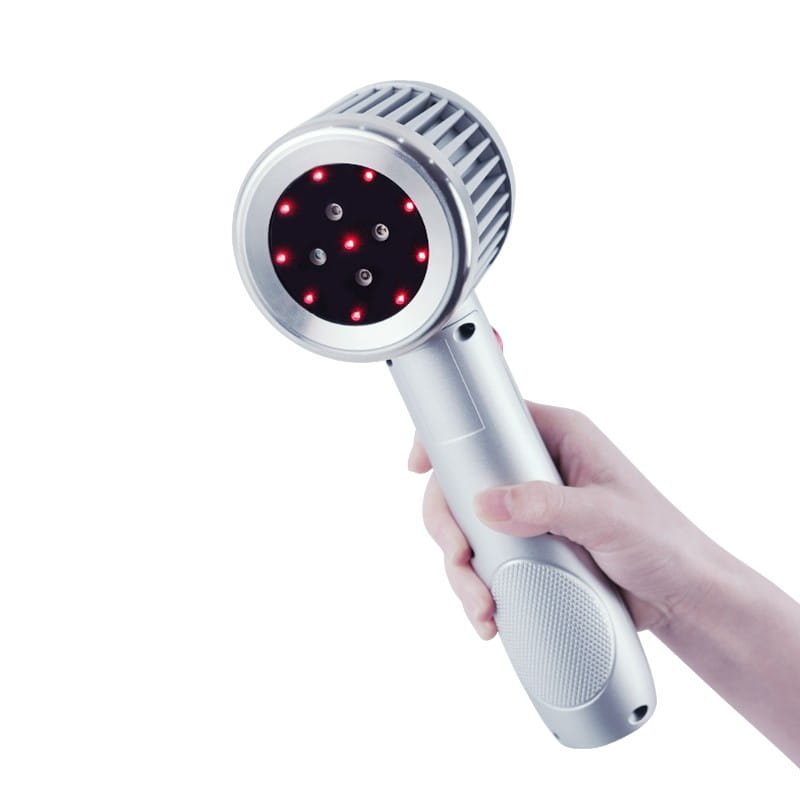
Class IV Laser vs. Cold Laser: Key Differences
Here is a side-by-side look at how the two categories generally compare. Actual numbers vary by manufacturer and specific model.
| Factor | Class IV Laser Therapy | Cold Laser Therapy (Class IIIb / LLLT) |
|---|---|---|
| Typical power output | Higher (often measured in watts) | Lower (typically measured in milliwatts) |
| Sensation during use | Mild, soothing warmth | Little to no heat |
| Typical session length | Often shorter | Often longer |
| Common setting | Professional/clinical and some home-use models | Home use and clinical settings |
| Safety precautions | Stricter, including eye protection | Still important, generally lower risk profile |
| Underlying mechanism | Photobiomodulation | Photobiomodulation |
Notice that the last row is the same for both. This is one of the most misunderstood points in laser therapy discussions.
How Photobiomodulation Works in Both Types of Laser
Class IV and cold laser devices rely on the same core biological process: photobiomodulation, or PBM. This is where red and near-infrared light interacts with cells, particularly the mitochondria, which are involved in producing cellular energy.
The difference between the two laser classes is not the mechanism. It is the dose, meaning the power, wavelength, and treatment time delivered to the tissue. A Class IV laser reaches a given dose faster because it emits more power. A cold laser reaches a similar cumulative dose more slowly.
Neither classification automatically makes a device more effective than the other for every situation. The right choice often depends on the treatment area, session time available, and personal preference for a warming sensation versus none at all. Building a few minutes of light therapy into a regular recovery routine, alongside stretching, hydration, and rest, is a simple habit many people find fits naturally into an active lifestyle.
If you want a broader comparison of laser devices before narrowing your search, our laser therapy device buying guide walks through additional factors like wavelength range and treatment area size.
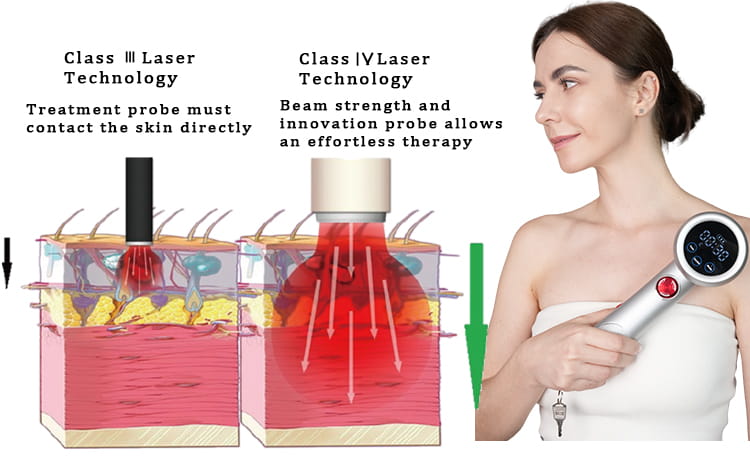
What to Look For in a Class IV Laser Therapy Device
Whether you are researching options for home use or comparing professional-style devices, a few practical factors are worth checking before you buy.
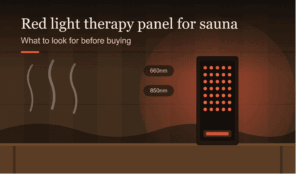
Wavelength range. Devices that combine red light (roughly 600–700 nm) and near-infrared light (roughly 800–1000 nm) are designed to address both surface-level and deeper tissue. Manufacturers should list the specific wavelengths their device emits.
Power output and treatment time. Higher power generally shortens session length. Compare the manufacturer’s suggested treatment duration for the areas you plan to target.
Safety labeling and documentation. A legitimate Class IV device should carry the required laser hazard warning labeling and come with clear operating instructions, including guidance on eye protection.
Intended use. Some Class IV devices are built for clinical operators, while others are designed with home use in mind. Confirm the manufacturer’s intended-use guidance before purchasing.
Verified specifications. Always check the manufacturer’s own product page for exact wavelength, power, and treatment-area specifications rather than relying on general averages, since these details vary between models.
The LuxReda Class IV Laser Therapy Device for Pain Relief & Recovery is one option built around this higher-power laser category. For exact specifications, treatment guidance, and included accessories, review the full product listing directly, since specifications can be updated as models evolve.
Is a Class IV Laser Therapy Device Right for You?
This depends on your goals, your comfort level with self-administered treatment, and what you are hoping to manage.
Class IV laser therapy is commonly researched by people dealing with:
- General muscle tightness or soreness after activity
- Joint discomfort tied to everyday movement
- A desire to add a light-based recovery step to an existing fitness or self-care routine
Cold laser therapy is often researched by people who prefer:
- A gentler sensation with no warmth
- Longer, lower-intensity sessions
- A device with a simpler safety profile for frequent home use
Neither option replaces medical evaluation for a persistent or worsening condition. If you have an ongoing injury, a diagnosed condition, or pain that is not improving, talk with a physician, physical therapist, or chiropractor before starting any laser therapy device. They can help you understand whether light-based therapy fits into your broader treatment plan.
For people comparing multiple laser formats side by side, the LuxReda Multi-Functional Laser Therapy Device is worth reviewing as an additional option built for pain relief and rehabilitation use cases.
Safety Considerations for Class IV Laser Therapy at Home
Higher-powered lasers require more careful handling than lower-class devices. Reasonable precautions include:
- Always follow the manufacturer’s operating manual and treatment-time guidance.
- Use the eye protection provided or recommended with the device; direct or reflected laser light can affect the eyes.
- Avoid treating areas with broken skin, active infection, or over the eyes.
- Do not use a laser therapy device as a substitute for care from a licensed healthcare provider.
- Check with a doctor first if you are pregnant, have a pacemaker, have a history of cancer, or take medication that increases light sensitivity.
The FDA maintains public guidance on how laser products, including therapeutic laser devices, are classified and regulated for safety in the United States. Reviewing a manufacturer’s labeling against those FDA laser product performance standards is a reasonable step before purchasing any Class IV device.
FAQ: Class IV Laser Therapy vs. Cold Laser Therapy
Class IV devices operate at higher optical power, which generally means shorter treatment times and a warming sensation. This does not automatically mean better results for every person or condition; the right fit depends on your goals and treatment area.
Class IV devices can be used at home when the manufacturer designs the product for that purpose and the user follows the included safety instructions, including eye protection. Always check the manufacturer’s intended-use guidance before buying.
It refers to a laser safety classification set by the FDA and international standards bodies, based on the laser’s optical output power. It is not a rating of medical effectiveness.
Red light therapy panels typically use LEDs rather than a laser diode and usually operate at lower, non-focused power levels over a larger surface area. Laser therapy devices concentrate light through a laser diode, which allows for more targeted, higher-intensity application. Our guide to full-body red light therapy devices covers that category in more detail.
This depends on the specific device and its FDA classification. Check the manufacturer’s product documentation and applicable regulations in your state or province before purchasing.
A Practical Next Step
Understanding the difference between Class IV and cold laser therapy comes down to power, session length, and sensation, not which one is universally “better.” Both rely on the same light-based science, and both deserve a look at the manufacturer’s actual specifications before you decide.
Whatever you choose, building a consistent, comfortable recovery routine matters more than chasing the highest power number. Take the time to research your options, read the manufacturer’s documentation closely, and check in with a healthcare provider if you are managing an ongoing condition. Small, consistent steps toward recovery and self-care add up, and a little patience with your body goes a long way toward feeling your best.
Thank you