A few quiet minutes of heat and light at the end of the day can turn an ordinary evening into a small ritual of self-care. That’s part of why more households across the United States and Canada are adding an infrared sauna panel with red light therapy to their home wellness setup.
If you’re comparing options, you probably want a straight answer fast: what these panels actually do, how infrared heat differs from red light, and what separates a good panel from an overpriced one. This guide covers all of that, in plain language, before you spend a dollar.
What Is an Infrared Sauna Panel with Red Light Therapy?
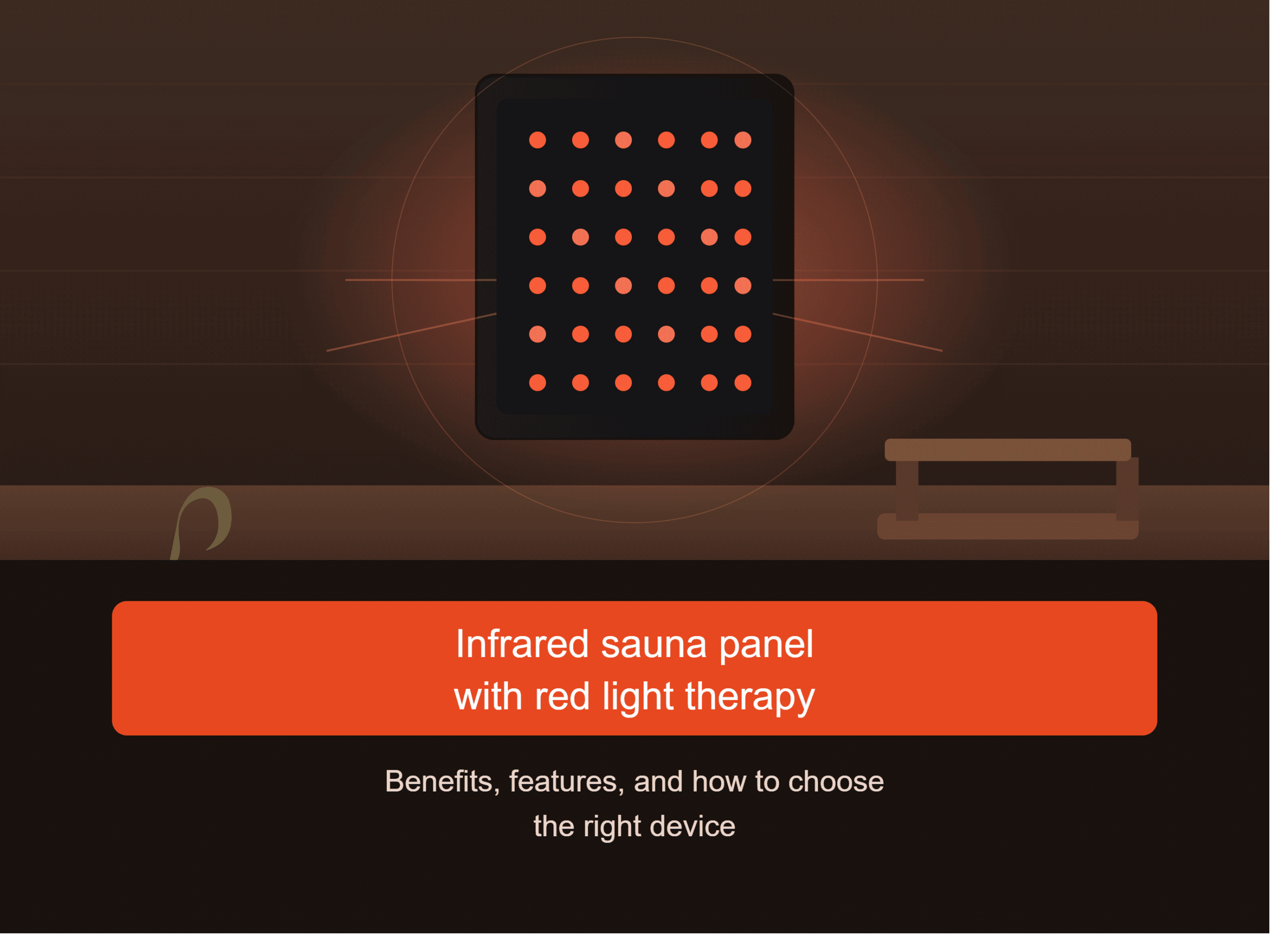
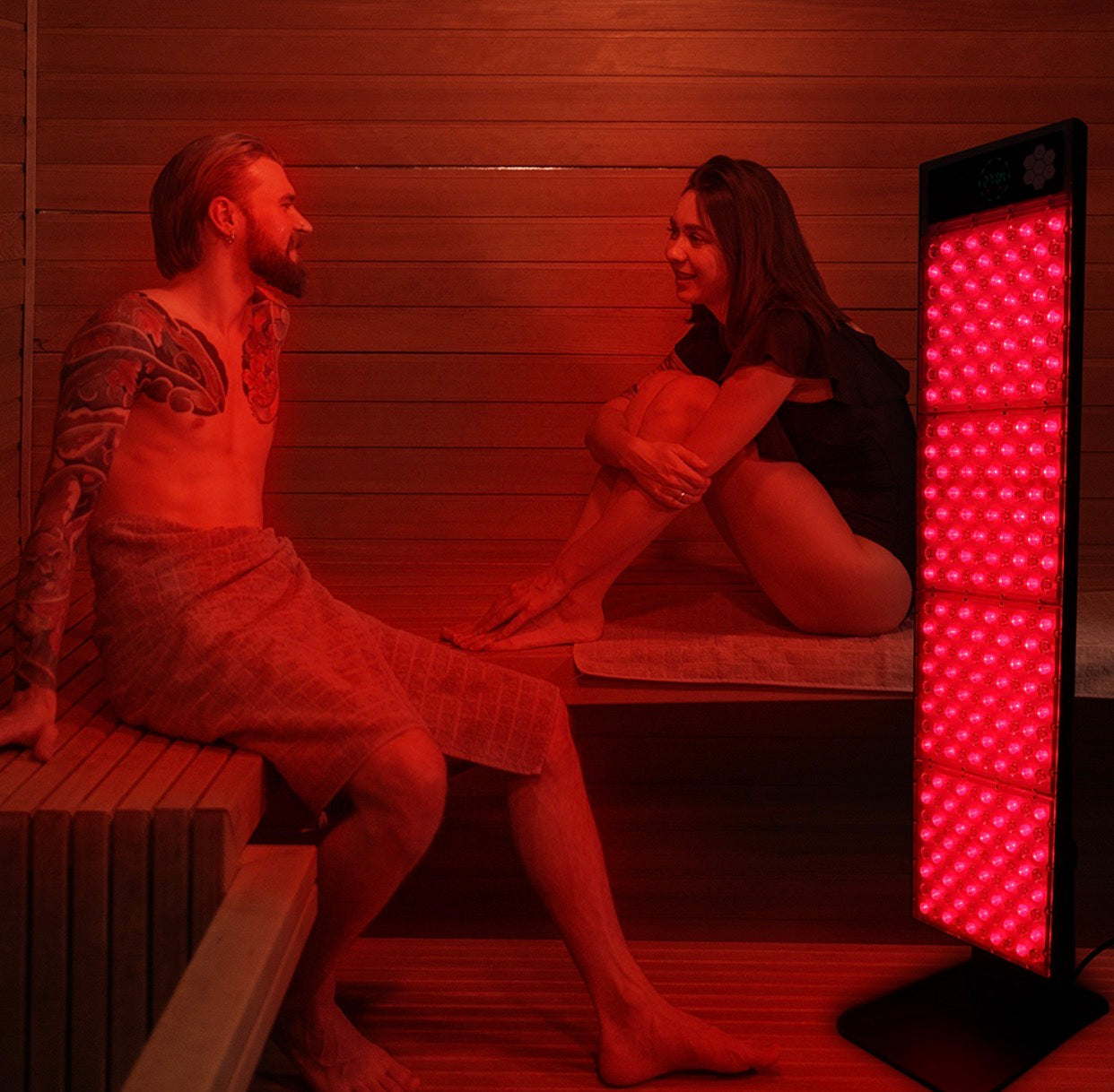
An infrared sauna panel with red light therapy combines two distinct technologies in one device.
Infrared heat warms your body directly, rather than heating the air around you the way a traditional sauna does. It’s the same basic principle behind infrared sauna blankets and cabins, just delivered from a flat panel instead of a fully enclosed space.
Red and near-infrared light, by contrast, doesn’t rely on heat at all. It uses specific light wavelengths — typically in the 630–700 nanometer (red) and 800–850 nanometer (near-infrared) ranges — aimed at the skin. This is often called red light therapy or photobiomodulation.
A combination panel like the LuxReda Sauna One Infrared Sauna Panel with Red Light Therapy is built to deliver both from a single unit, so you can add red light exposure to an existing sauna session, or use the light therapy features on their own.
Infrared Heat vs. Red Light: The Key Difference
| Infrared Heat | Red / Near-Infrared Light | |
|---|---|---|
| Main mechanism | Warms tissue, raises skin and core temperature | Delivers specific light wavelengths to the skin |
| Sensation | Warm, sauna-like | Little to no heat sensation |
| Typical use | Whole-body warming, sweating | Targeted light exposure to skin or muscle areas |
| Common setting | Inside a sauna or wellness room | Standalone or combined with sauna heat |
Understanding this distinction matters because buyers often assume “infrared” and “red light” are the same thing. They’re related, but they work through different processes, and a quality panel should let you use each independently.
Potential Wellness Applications: What the Research Actually Suggests
It’s worth being upfront here: red light therapy and infrared heat are both areas of active research, not settled medical treatments. According to the Cleveland Clinic, red light therapy is showing promise for skin appearance, and it notes that researchers say more clinical trials are still needed to confirm how effective it is.
With that context in mind, people commonly explore combined infrared heat and red light devices as part of a broader routine that may support:
- Post-workout muscle recovery
- Relaxation after a long day
- Circulation-focused warm-up before or after exercise
- Skin appearance and general skin care routines
- A calming wind-down before bed
None of this is a substitute for medical care, and no panel — LuxReda’s included — should be marketed or understood as a cure or guaranteed treatment for any condition. If you have a specific health concern, it’s worth talking to your doctor before adding heat or light therapy to your routine.
Features to Compare Before You Buy an Infrared Sauna Panel
Not all panels are built the same way, and the differences show up quickly once you start using one regularly. Here’s what actually matters when you’re comparing options.
Wavelengths and Light Output
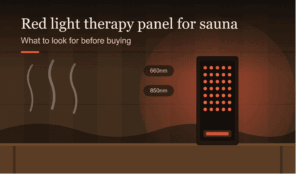
Look for panels that specify their exact wavelengths rather than vague marketing terms like “healing light.” The LuxReda Sauna One, for example, lists 660nm red light and 850nm near-infrared light, with a stated red-to-infrared ratio of 2:1 and irradiance above 100mW/cm² at six inches. Numbers like these let you compare panels on real specifications instead of guesswork.
Heat Tolerance and Environment Rating
If you plan to use a panel inside an existing sauna, it needs to survive that environment. Check:
- Maximum temperature rating
- Moisture or water resistance rating (often listed as an IP rating)
- Whether the unit uses a fan (fans can fail faster in high-heat, high-humidity settings)
Panel Coverage and Dimensions
A larger panel covers more of the body per session, which usually means fewer repositioning breaks. Compare physical dimensions and LED count side by side, not just the wattage on the box.
Controls, Timer, and Remote Access
Daily use gets old fast if you have to fumble with a control panel every time. A built-in timer and remote control make sessions easier to fit into a normal evening routine — something worth checking before you buy any panel, not just this one.
Installation and Setup
Some panels mount to a wall or sauna interior; others come with a floor stand for flexible placement. Think about where the panel will actually live in your home before choosing a mounting style.
Build Quality and Lifespan
LED lifespan (often measured in hours) and housing material both affect how long a panel performs well. Aluminum housings tend to hold up better to heat and moisture than plastic alternatives.
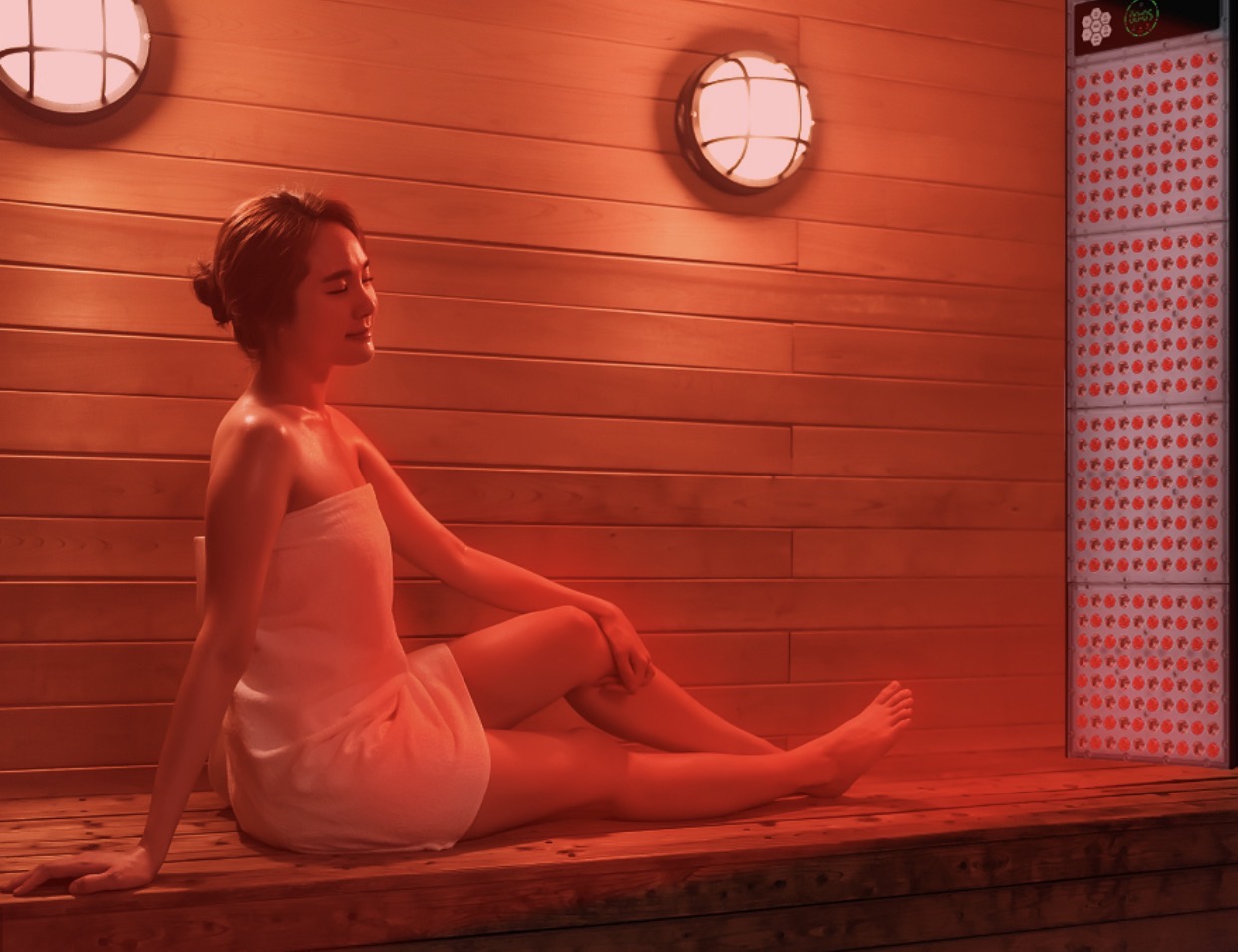
Introducing the LuxReda Sauna One Infrared Sauna Panel with Red Light Therapy
If you’re shopping specifically for a panel designed to work inside a sauna environment, it’s worth taking a closer look at the LuxReda Sauna One.
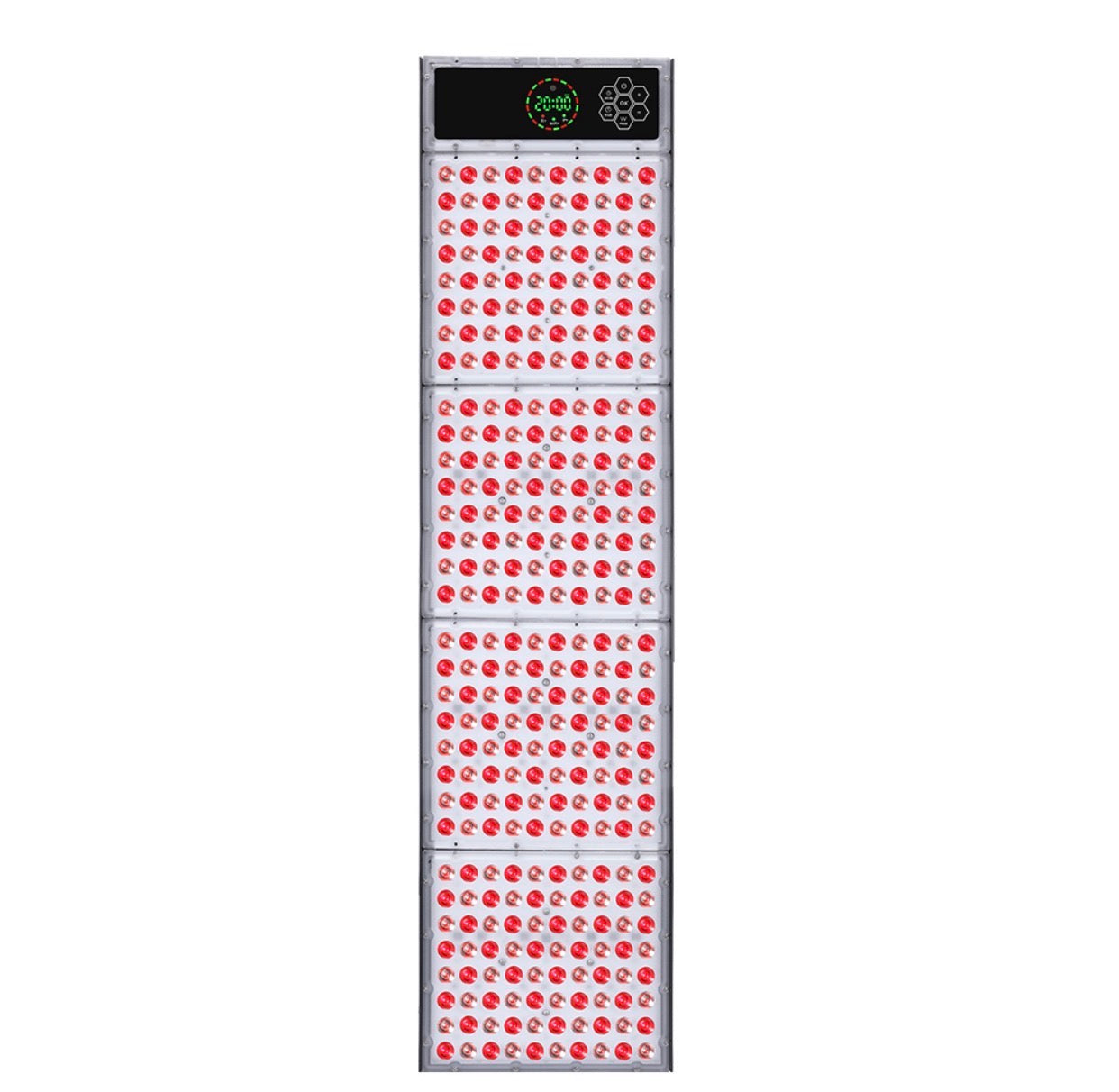
According to its official product listing, the panel is built with an all-aluminum housing, fan-less operation, and an IP65 moisture-resistance rating, and it’s rated for temperatures up to 160°F. It uses 320 LEDs (5W each) delivering 660nm red light and 850nm near-infrared light, mounted across a 39″ x 10″ x 1″ panel with a 45-degree beam angle.
The listed technical details also include:
- Power output: 1,600W
- LED lifespan: rated up to 100,000 hours
- Warranty: 3 years
- Included accessories: mobile floor stand, protective eyewear, power supply, and remote control
Because it’s built for sauna-specific conditions rather than a general home light panel, it may suit readers who already own — or plan to install — a sauna and want to add red light therapy without swapping out the whole setup. If you’re weighing this format against other home options, our comparison of red light therapy mats and panels walks through how the two formats differ for full-body use.
As with any wellness purchase, review the full spec sheet on the product page yourself before deciding — verified numbers matter more than any summary, including this one.
Setup, Usage, Maintenance, and Safety: Questions Worth Asking
Before you commit to a panel, it helps to think through the practical side of daily ownership.
Where will it be installed?
Confirm whether the panel is rated for the humidity and heat levels inside your specific sauna, or whether it’s meant for a dry room instead. Installing a panel outside its rated environment can shorten its lifespan.
How long are typical sessions?
Session length varies by product and personal comfort. Follow the manufacturer’s instructions rather than guessing, and start on the shorter end if you’re new to combined heat and light therapy.
What maintenance does it need?
Ask about cleaning recommendations, especially for panels used in humid sauna environments, and check whether the housing is rated to handle regular moisture exposure.
What safety steps should I follow?
Basic precautions matter with any light therapy device: follow the manufacturer’s eye protection guidance, avoid exceeding recommended session times, and check with a healthcare provider if you’re pregnant, have a photosensitivity condition, or take medication that increases light sensitivity. The FDA’s general wellness guidance for low-risk devices is a useful reference point for understanding how devices like this are categorized.
A little bit of routine care goes a long way toward making any home wellness equipment feel like a natural part of your week instead of a hassle.
How to Choose the Right Panel for Your Home Wellness Routine
Every household’s setup is different, so the “best” panel really depends on your situation.
- Already have a sauna? Prioritize a panel rated for high heat and humidity, like a sauna-specific model.
- No sauna, just want red light therapy? A standalone panel or mat built for dry rooms may fit better — browse LuxReda’s sauna collection and red light therapy category side by side to compare formats.
- Tight on space? Look at panel dimensions and mounting options before assuming a floor stand will fit.
- Want simple daily use? A built-in timer and remote control cut down on friction, which matters if you want the habit to stick.
Whatever you land on, treat the purchase like any other home wellness investment: read the actual spec sheet, not just the marketing copy, and pick something that fits the space and routine you already have.
Frequently Asked Questions
An infrared sauna panel is built primarily to generate heat, often for use inside a sauna. A dedicated red light therapy panel focuses on delivering red and near-infrared light without heat. A combined panel, like the LuxReda Sauna One, is designed to handle both in one unit rated for sauna conditions.
Some panels are built specifically for this, with moisture and heat resistance ratings that standard light therapy panels don’t have. Always check the manufacturer’s environment rating before installing any panel inside a sauna.
No. Red and near-infrared light sit outside the UV spectrum and work through a different mechanism than UV exposure. This distinction matters for anyone comparing light-based wellness devices.
This varies by device and manufacturer recommendation. Follow the specific instructions that come with your panel rather than a generic rule of thumb.
Many people do use them regularly, but “safe for daily use” depends on the specific device, your health status, and the manufacturer’s guidance. When in doubt, check with a healthcare provider, especially if you have an existing medical condition.
Wavelength specifications, heat and moisture ratings, panel dimensions, warranty length, and what’s included in the box (stand, remote, eyewear) are the details worth comparing across any two products.
A Simple Next Step
Building a home wellness routine doesn’t have to be complicated, and it doesn’t happen overnight either. Whether you’re adding red light therapy to an existing sauna or starting from scratch, the right panel is the one that actually fits your space, your schedule, and how you like to unwind.
Take a few minutes to review the full specifications on the LuxReda Sauna One product page
Thank you