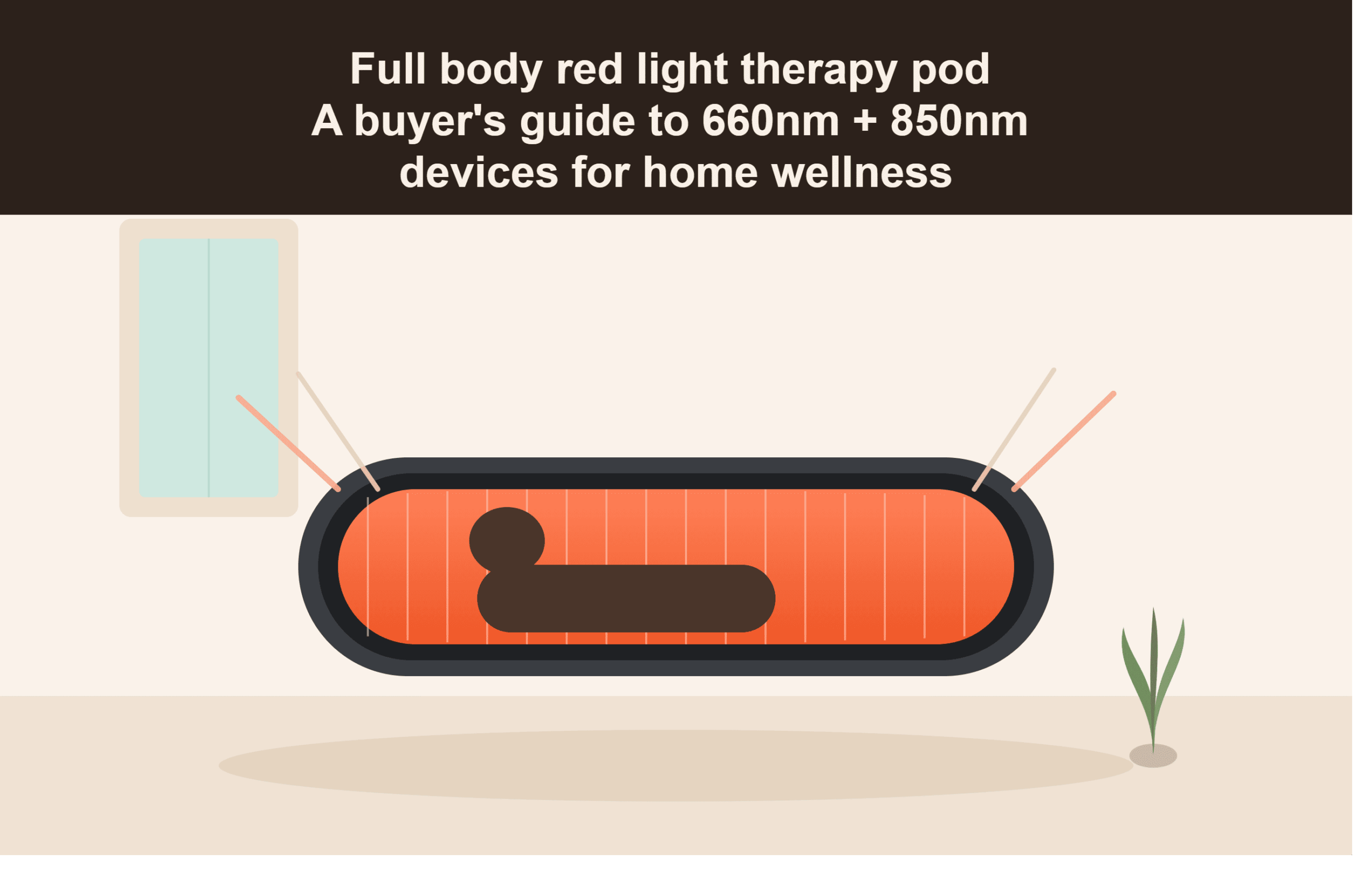
Taking a few quiet minutes for yourself each day can make a real difference in how you feel. For many people, that quiet time now includes a home red light therapy session — a simple, screen-free ritual that fits into an evening wind-down or a post-workout routine.
If you’re comparing options, you’ve probably noticed that most full body red light therapy pods use a combination of two wavelengths: 660nm and 850nm. Understanding what those numbers actually mean — and what else to look at before you buy — will help you choose a device that fits your space, your budget, and your goals.
This guide walks through the wavelengths, the specifications worth comparing, and the practical questions to ask before choosing a full body red light therapy device for your home.
What Makes a Full Body Red Light Therapy Pod Different
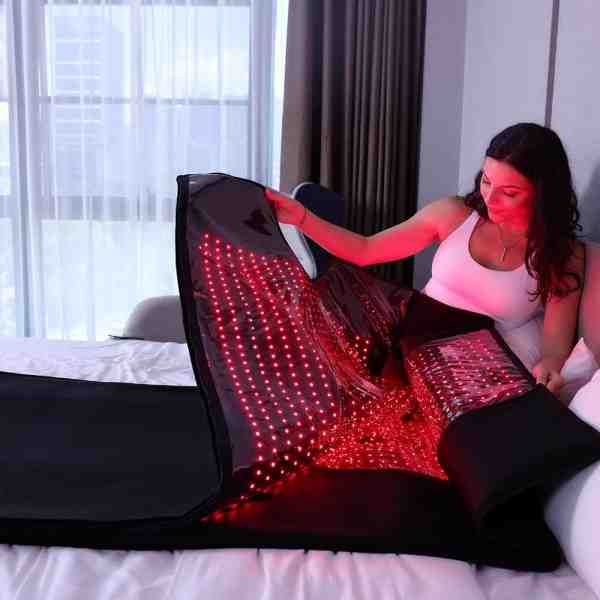
A full body pod is built to surround you with light from multiple angles at once, rather than requiring you to reposition a single panel to cover different body parts.
Most pods fold or zip closed around the body, using flexible LED panels lined with an inner layer of light-emitting diodes. This full-body wellness technology approach is different from smaller handheld devices or flat panels that treat one area of the body per session.
Key structural differences from other red light therapy devices:
- Panels treat one side of the body at a time and usually require repositioning for full coverage
- Handheld devices work well for small, targeted areas like the face or a single joint
- Full body pods wrap around the body, so you don’t need to move or flip during a session
For people who want a simpler daily routine without constantly adjusting equipment, a pod-style device is often the more convenient at-home wellness system.
660nm vs. 850nm: Understanding the Two Wavelengths
This is where most buyers get confused, so let’s keep it simple.
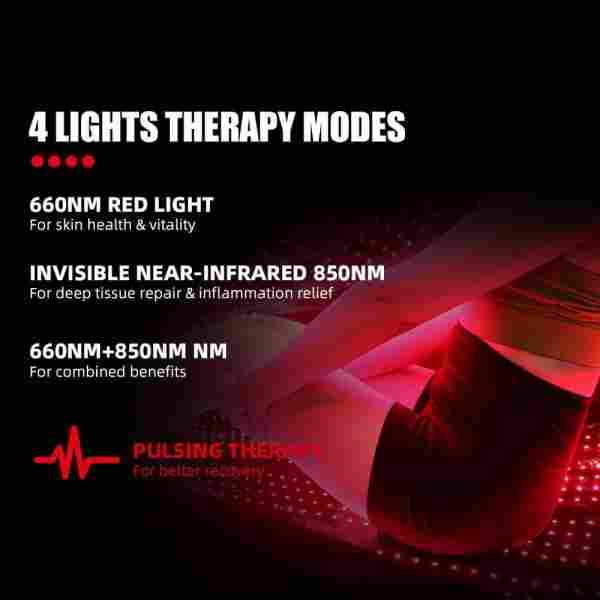
660nm red light sits at the visible end of the spectrum. You can see this light glowing red when the device is on. It’s generally associated with more surface-level exposure, reaching the skin and the layers just beneath it.
850nm near-infrared light sits just outside the range visible to the human eye, which is why devices combining both wavelengths often look mostly red even though the 850nm light is also active. Near-infrared wavelengths are generally understood to reach somewhat deeper than visible red light.
Photobiomodulation research — the broader scientific term for how red and near-infrared light interacts with cells — has been studied by institutions such as the National Institutes of Health, and ongoing work continues to explore how different wavelengths and doses affect outcomes. Red and near-infrared light in pod-style devices is generally used to expose the whole body at once rather than one area at a time. Light Lounge
Because the two wavelengths behave differently, most manufacturers combine 660nm and 850nm red light therapy into one device rather than choosing a single wavelength. This is why you’ll see “660nm 850nm red light therapy” listed as a standard feature across most full body red light therapy equipment on the market today, not just as a premium upgrade.
Specifications to Compare Before You Buy
Marketing pages can make every device sound similar. The specification sheet is where real differences show up. Before comparing prices, look closely at these details.
LED Count and Density
More LEDs generally means more even coverage across the body, but density matters as much as the raw number. A pod with LEDs spaced closely together tends to avoid the “gaps” you can sometimes feel with sparser layouts.
Irradiance (Output Strength)
Irradiance is usually listed in milliwatts per square centimeter (mW/cm²) and tells you how strong the light is at the surface of the device. Higher irradiance can mean shorter session times to reach a similar light exposure, though comfort and skin distance also play a role.
Session Timer and Intensity Controls
Look for an adjustable timer and, ideally, multiple intensity levels. This lets you start with shorter, gentler sessions and adjust as you get used to your at-home red light therapy system.
Size and Fit
Pods are sized differently. Check the internal dimensions against your own height, and confirm whether the device folds flat for storage — this matters if you have limited space at home.
EMF Output
Some buyers specifically look for low-EMF designs. If this matters to you, check whether the manufacturer publishes EMF test data rather than a general safety claim.
Certifications and Documentation
Look for any FDA registration status, safety certifications, and a clear user manual. Legitimate sellers list this information plainly rather than burying it in fine print.
| Specification | Why It Matters |
|---|---|
| LED count & spacing | Affects evenness of full-body coverage |
| Irradiance (mW/cm²) | Determines light strength at the skin |
| Wavelengths | 660nm + 850nm covers red and near-infrared |
| Timer range | Flexibility for shorter or longer sessions |
| Intensity levels | Lets you start gentle and adjust over time |
| Folded dimensions | Matters for home storage |
| EMF data | Relevant if low-EMF exposure is a priority |
Setting Up a Red and Near Infrared Light Therapy Device at Home
Once you’ve chosen a device, where and how you use it matters almost as much as the device itself.
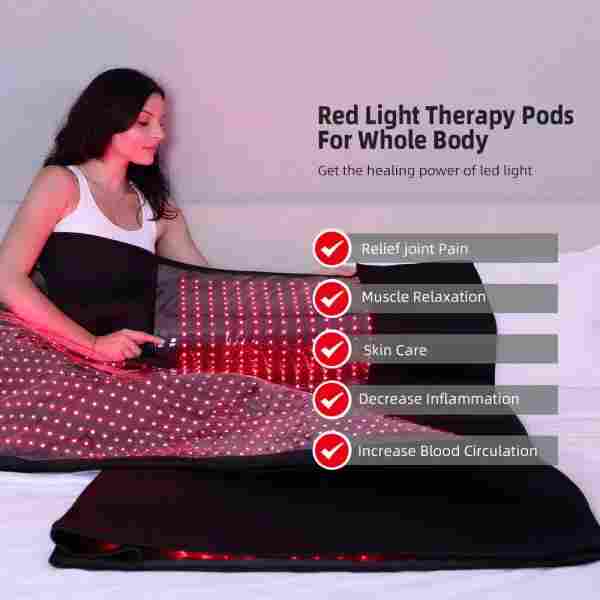
Most full body pods need a flat, stable surface — a yoga mat, a bed, or a dedicated corner of a room works well. Give yourself a consistent spot, since a repeatable setup makes it easier to build a lasting habit rather than a one-time experiment.
A few practical setup tips:
- Keep the area free of trip hazards, since pods often have a cord and controller
- Allow a few extra inches of clearance if the device requires folding or unzipping
- Store the pod flat or loosely rolled, following the manufacturer’s storage instructions, to protect the internal LED panels
Many people build red light sessions into an existing routine — right before bed, after a workout, or paired with quiet stretching. Folding it into a moment you already have, rather than trying to carve out brand-new time, tends to make the habit stick.
Session Guidelines and Safety Considerations
Manufacturers typically publish recommended session lengths, and it’s worth following those guidelines rather than guessing.
A few general safety points apply across most red light therapy pod for home use products:
- Follow the manufacturer’s suggested session length and frequency rather than extending sessions on your own
- Some manufacturers recommend eye protection depending on the device’s design and intensity — check your specific product’s instructions
- If you’re pregnant, have a photosensitivity condition, or take medication that increases light sensitivity, check with a healthcare provider before starting
- Red and near-infrared light therapy devices are not the same as UV tanning equipment, and manufacturers should not describe LED-based red light therapy as tanning
For general information on light-based devices and their regulatory status in the United States, the FDA’s page on general wellness and light therapy devices is a useful reference point before making a purchase decision.
Statements about red light therapy should not be treated as medical claims. If you’re managing a specific health condition, a conversation with your doctor is the right first step before adding any new therapy device to your routine.
The LuxReda RedLux™ Full Body Therapy Pod: What to Know
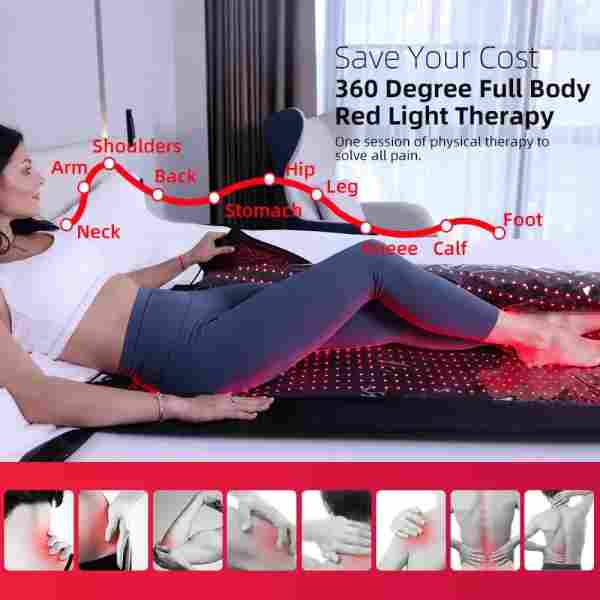
If you’re evaluating options in the premium end of the market, the LuxReda RedLux™ Full Body Therapy Pod is one device worth putting on your comparison list. It’s built around the same 660nm + 850nm red and near-infrared combination discussed throughout this guide, positioned as a full-body wellness device for home use.
Rather than list specifications we can’t independently verify, we’d encourage you to review the LuxReda RedLux™ Full Body Therapy Pod product page directly for current details on dimensions, LED configuration, intensity settings, and pricing, since manufacturers periodically update specifications and availability.
LuxReda also carries a broader lineup of red light therapy devices and wellness equipment for readers who want to compare a full body pod against panels or other formats before deciding what fits their space and budget best.
Questions to Ask Before You Purchase
Before adding any full body red light therapy pod to your cart, it helps to have a short checklist ready. Asking these questions upfront can save you from a return or an unused device sitting in a closet.
- What are the actual wavelengths, and are they clearly listed? Look for specific numbers (660nm, 850nm), not vague phrases like “advanced light therapy.”
- What’s the irradiance at the recommended distance? A device without this number published is harder to compare fairly.
- What’s the warranty and return policy? A full body pod is a bigger investment than a small panel, so a clear return window matters.
- How much space does it need, folded and unfolded? Measure your intended spot before you order.
- Does the listing make specific health claims, or general wellness claims? Be cautious of listings promising to cure or treat medical conditions — that’s not how the FDA classifies most consumer red light therapy devices.

Frequently Asked Questions
It depends on your goals. A pod covers the whole body at once without repositioning, which some people find more convenient. A panel can be more affordable and more flexible if you only want to treat specific areas.
This varies by device and manufacturer recommendation, generally ranging from 10 to 20 minutes per session, though you should always follow your specific product’s instructions.
Some manufacturers recommend it depending on the device’s intensity and design. Check your specific product’s manual rather than assuming one rule applies to every device.
No. Red light therapy pods use LED technology at specific visible and near-infrared wavelengths, not the UV wavelengths used in tanning beds. They should not be marketed or used as tanning devices.
Pricing varies widely by brand, LED count, and build quality. Rather than shopping on price alone, compare the specifications outlined earlier in this guide, then check current red light therapy pod pricing directly on each manufacturer’s site.
Final Thoughts
Choosing a full body red light therapy pod comes down to matching real specifications — wavelengths, irradiance, size, and safety documentation — with your own space and routine, rather than picking the device with the flashiest description.
Whatever you decide, building a consistent, comfortable wellness habit matters more than any single feature on a spec sheet. Take your time comparing options, ask the questions above, and choose a device that fits naturally into the life you’re already living.
If the LuxReda RedLux™ Full Body Therapy Pod looks like a fit for your routine, you can review full current specifications and pricing on the product page.
A healthy life is the key to a happy life. Take care of your health through healthy eating, a positive mindset, proper rest, and relaxation. Your health is your greatest investment, take care of yourself every day. 🌿❤️
Thank you