Living with vitiligo can be an emotional journey, and finding a treatment routine that fits into your everyday life matters just as much as the science behind it. If you have been researching ways to support your skin, you have probably come across 308nm UVB light therapy for vitiligo as one of the most talked-about options. This guide breaks down how it works, what it may help with, and how home-based devices compare with in-office treatment, so you can make a confident, informed decision.
What Is 308nm UVB Light Therapy for Vitiligo?
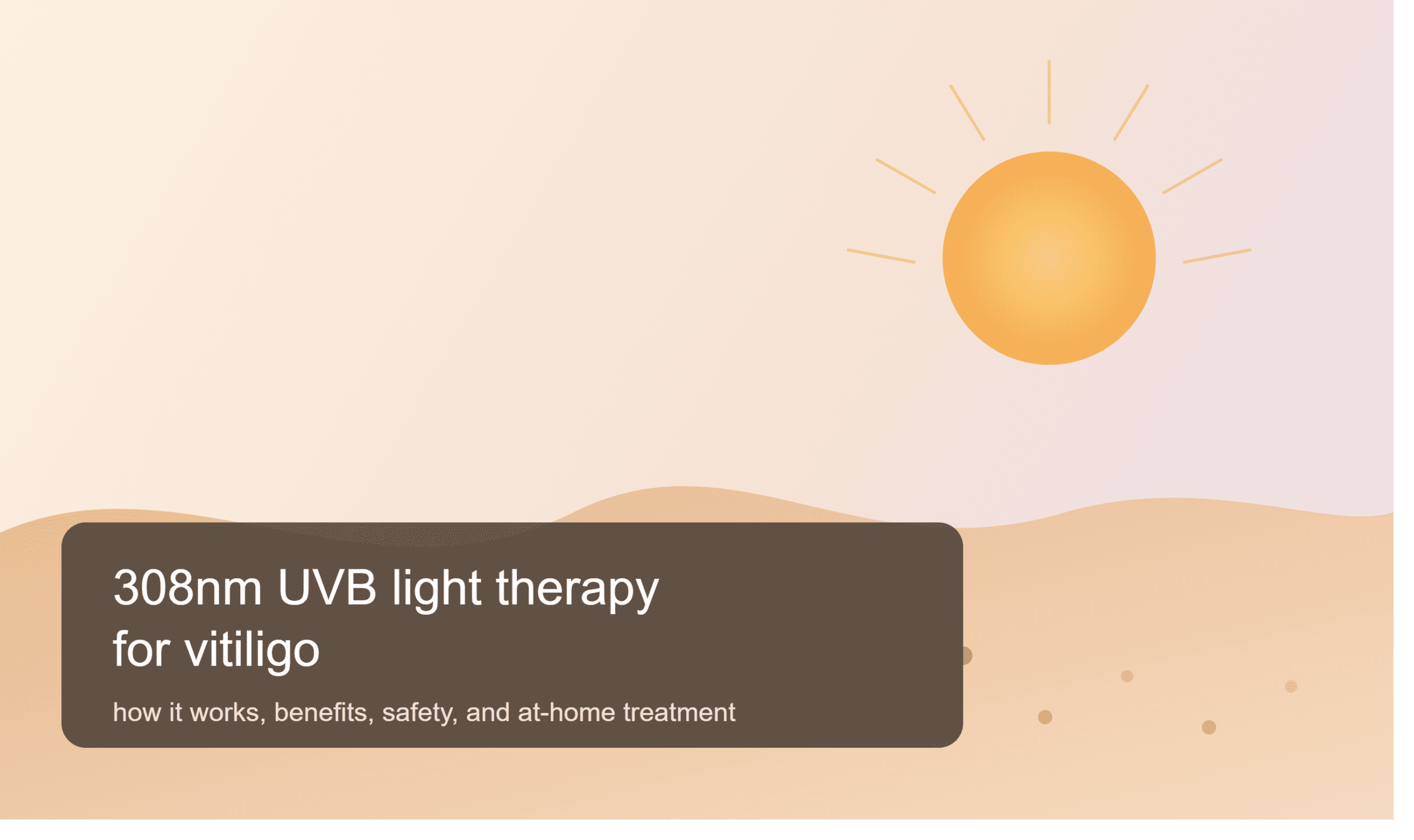
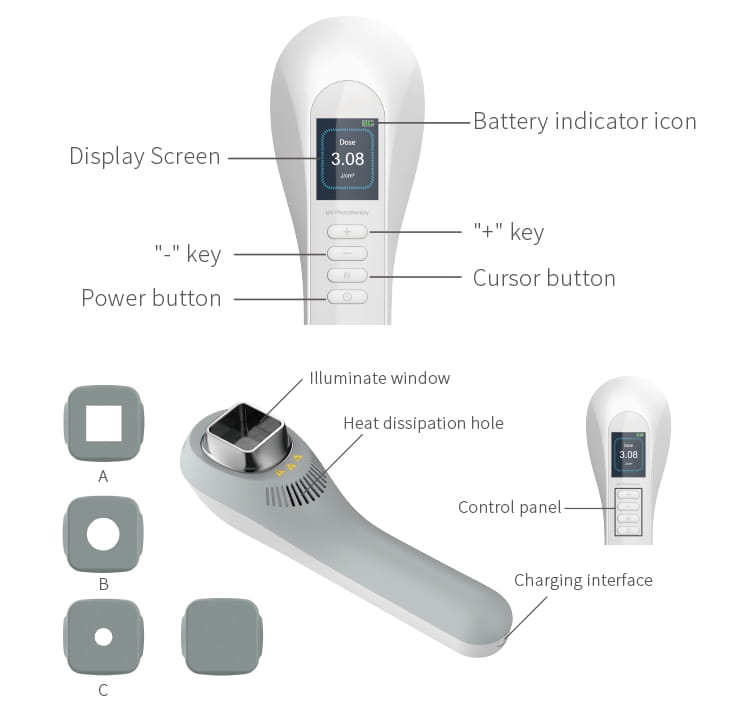
308nm UVB light therapy is a form of targeted phototherapy that uses a narrow band of ultraviolet B light to treat depigmented skin patches. Dermatologists have used this specific wavelength for years, most often through excimer lasers or excimer lamps in clinical settings.
The 308nm wavelength sits within the narrowband UVB range. Research summarized by the American Academy of Dermatology notes that light therapy exposes the skin to a type of UV light that may help restore natural color in some patients, particularly on the face and neck. Response varies from person to person, and results are gradual rather than immediate.
Unlike whole-body light boxes, 308nm devices are designed to focus light on specific areas. This localized approach is one reason many people ask about localized vitiligo treatment when they do not want to treat unaffected skin.
How 308nm UVB Therapy May Support Melanocyte Activity
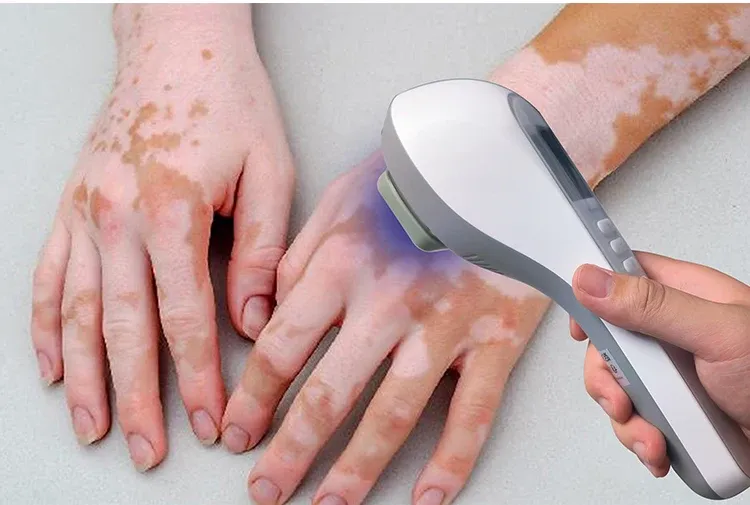
Vitiligo develops when melanocytes, the cells responsible for skin pigmentation, stop functioning properly or are destroyed by the immune system. UVB light in the 308nm range is thought to stimulate remaining melanocytes and may encourage them to migrate toward depigmented areas over time.
This process is often referred to as repigmentation. It does not happen overnight. According to a phase 2 clinical study referenced in dermatology literature, patients who added narrowband UVB to their treatment plan experienced noticeable improvement in repigmentation scores, though results took months rather than weeks to appear.
Why the Specific Wavelength Matters
Not all UV light works the same way on the skin. The 308nm wavelength is close to the peak effectiveness range identified in phototherapy research, which is part of why 308nm excimer light therapy has become a standard reference point in vitiligo treatment discussions. Wavelengths outside this narrow band may be less targeted or carry different risk profiles.
Clinical Phototherapy vs. Home UVB Therapy for Vitiligo
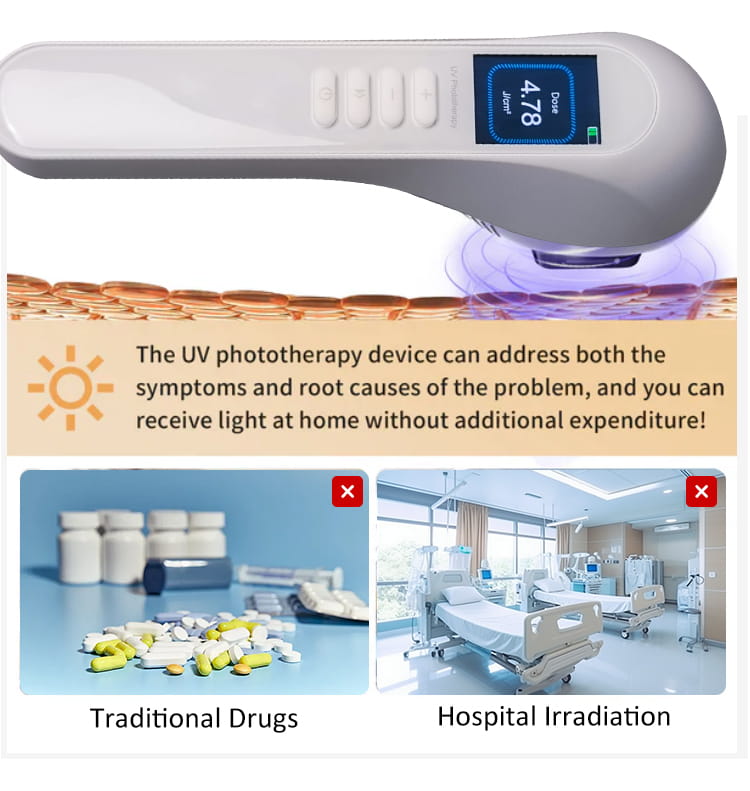
Many readers researching home UVB therapy for vitiligo want to know how it compares with the treatment they might get from a dermatologist. Both approaches use similar wavelength technology, but they differ in supervision, dosing precision, and convenience.
| Factor | Clinical (In-Office) Phototherapy | Home UVB Phototherapy Device |
|---|---|---|
| Supervision | Performed by or under a dermatologist | Self-administered, ideally with medical guidance |
| Session frequency | Typically 2–3 times weekly, per Mayo Clinic guidance | Flexible, based on personal schedule |
| Dosage control | Adjusted by trained staff | User-adjusted using device settings |
| Convenience | Requires travel to a clinic | Available at home |
| Cost over time | Ongoing visit costs | One-time device investment |
Neither option guarantees results, and vitiligo treatment for at-home use should still involve a conversation with a healthcare provider, especially for dosing guidance and monitoring skin response.
Choosing between the two often comes down to your lifestyle, how large an area needs treatment, and how comfortable you feel managing your own routine. Building a simple, consistent self-care habit around your skin health, alongside good sleep and stress management, can make any treatment plan easier to stick with.
Benefits People Consider When Exploring Vitiligo Phototherapy
People researching UVB phototherapy for vitiligo typically weigh a few potential advantages before deciding on a treatment path:
- Targeted application. Focused devices treat only the affected patch, sparing surrounding skin from unnecessary exposure.
- At-home convenience. A home UVB lamp for vitiligo may reduce the need for frequent clinic visits once a routine is established.
- Consistency. Sticking to a regular schedule is often easier when treatment fits around your day rather than a clinic’s hours.
- Non-invasive approach. Phototherapy does not involve surgery or systemic medication.
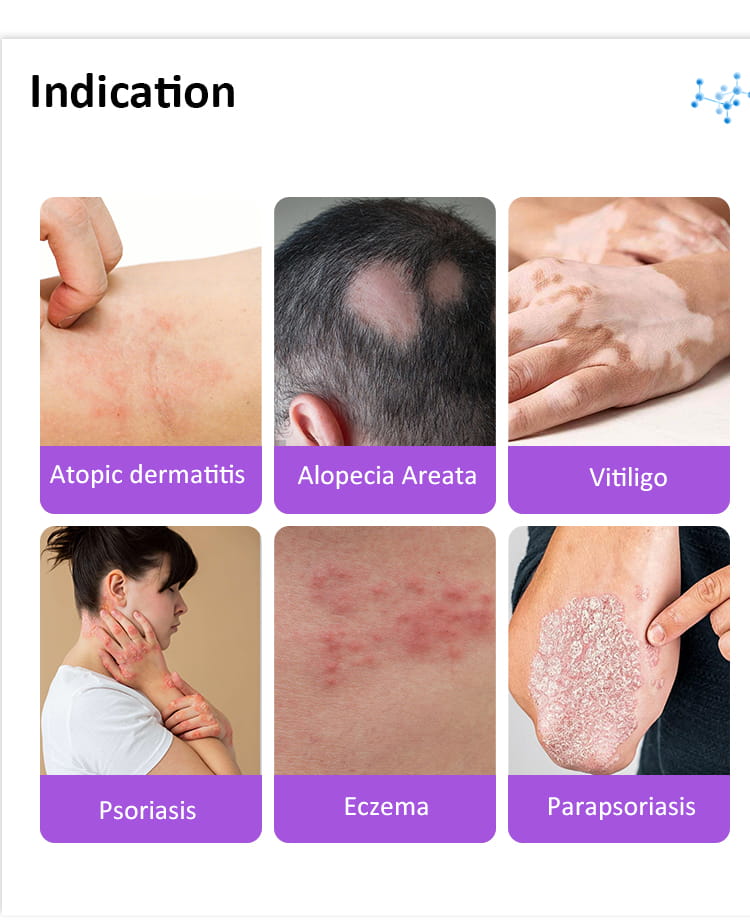
It is worth noting that phototherapy is not a guaranteed cure for vitiligo, and results depend on factors like the location of the patches, skin type, and how long the condition has been present. The tips of fingers, toes, and lips tend to respond more slowly than the face or trunk.
Safety Considerations Before Starting UVB Treatment at Home
Because this topic involves ultraviolet exposure, safety deserves real attention rather than a passing mention. UV light, even at a therapeutic wavelength, is not the same as a completely risk-free treatment.
Keep these points in mind before starting any UVB exposure routine:
- Talk with a dermatologist first. A professional can confirm that vitiligo, and not another skin condition, is causing your depigmentation.
- Follow manufacturer instructions closely. Dosage, distance from the skin, and session length all affect both safety and results.
- Protect unaffected skin and eyes. Cover surrounding areas and use appropriate eye protection during every session.
- Watch for irritation. Redness, blistering, or excessive dryness are signs to pause treatment and consult your provider.
- Understand long-term UV exposure risks. The FDA’s guidance on UV-emitting radiation products outlines general risks associated with ultraviolet exposure, including skin and eye effects, which is why dermatologist-supervised treatment plans matter even for home devices.
Home phototherapy should never be treated as casual indoor tanning. The goal is controlled, measured exposure for a specific medical purpose, not cosmetic tanning, and the two should not be confused when it comes to session length or frequency.
Choosing a Home UVB Device: What to Look For
If you are comparing options for a home UVB lamp for vitiligo, a few practical features tend to matter most:
- Adjustable dosage settings that let you follow a plan set with your dermatologist.
- A defined peak wavelength, since 308nm is the figure most often referenced in phototherapy discussions.
- Portability, especially if you are treating a smaller, localized patch rather than a large body area.
- Simple, clear controls that make it easy to stay consistent with sessions.
The Luxreda 308nm UVB Light Therapy Device for Vitiligo is one option built around a 308nm peak wavelength with adjustable dosage control from 0.01 to 5.00 J/cm², according to its product specifications. It is designed as a compact, portable unit intended for use at home or in professional settings. As with any UVB device, LuxReda recommends speaking with a healthcare professional before beginning treatment, and the product is intended for wellness and phototherapy support purposes rather than as a standalone medical cure.
For readers exploring skin-focused options more broadly, LuxReda’s skin therapy devices category page includes additional light-based tools if you want to compare features side by side before committing to one device.
Building UVB Therapy Into Your Everyday Routine
Consistency tends to matter more than intensity when it comes to phototherapy. Treating skin care as part of a broader wellness routine, rather than an isolated task, can make it easier to stay on track over the months it may take to see change.
Some people find it helpful to pair their UVB sessions with a calming moment in their day, like a quiet few minutes in the morning or evening. Small, steady habits like this often make self-care routines feel more sustainable rather than like one more chore on a busy schedule.
Tracking your sessions, noting any skin changes, and checking in periodically with your dermatologist can help you adjust the plan as needed. This kind of steady, patient approach reflects how phototherapy actually works: gradually, not overnight.
Frequently Asked Questions
Most sources, including Mayo Clinic, note that visible changes can take one to three months to appear, with fuller results sometimes taking six months or longer.
Both use similar wavelength technology, but clinical treatment includes professional dosing and monitoring. Home use requires more personal responsibility for following a safe, consistent routine.
No. Areas like the face and trunk tend to respond better than the hands, feet, and lips, based on general dermatology observations.
Any UV exposure carries some risk, which is why dosage guidance and dermatologist supervision are recommended for ongoing treatment plans.
Requirements vary by device and provider. It is best to consult a dermatologist before starting treatment, even with an over-the-counter device.
Coverage varies by provider and diagnosis. Checking with your insurance company and dermatologist is the most reliable way to find out.
Final Thoughts
308nm UVB light therapy for vitiligo remains one of the more established phototherapy options people discuss with their dermatologists, whether they choose an in-office excimer treatment or a home-based device. Understanding how it works, what results realistically look like, and how to use it safely puts you in a much stronger position to make the right choice for your skin.
Whatever path you choose, take the time to care for your skin thoughtfully, ask questions, and build a routine that feels manageable rather than overwhelming. A little patience and steady self-care can go a long way toward feeling comfortable in your own skin.
Thank you