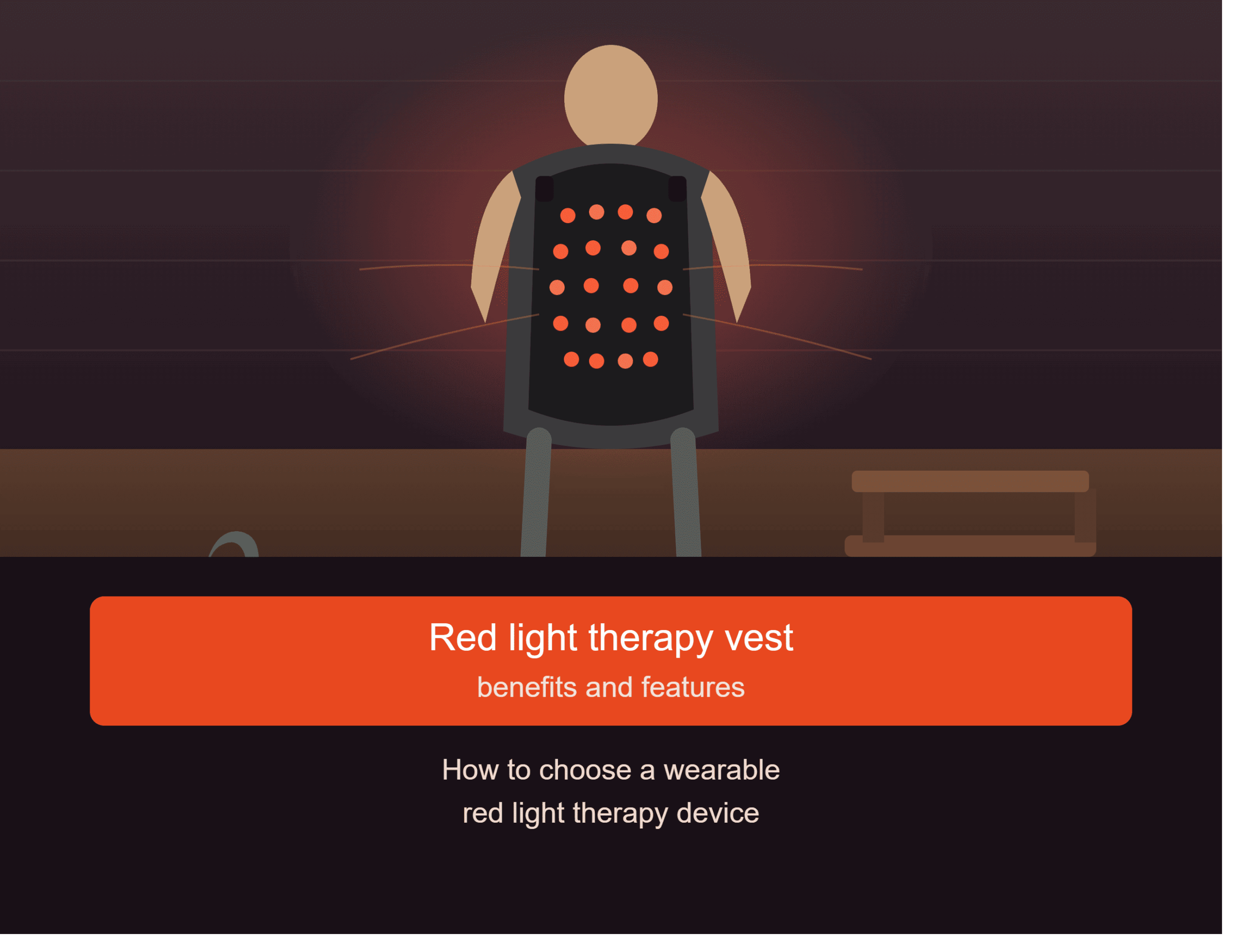
Self-care does not have to mean a long drive to a clinic or a complicated routine. Sometimes it is as simple as setting aside fifteen quiet minutes at home. That is part of why the red light therapy vest has become such a popular way to bring light-based wellness into a daily routine.
If you are researching wearable red light therapy, you probably want a straight answer before you spend your money. Here it is: a red light therapy vest is a flexible, wearable panel of LEDs that you strap on to deliver red and near-infrared light to muscles and joints, hands-free, while you go about your day. It works on the same general principle as flat panels and mats, just shaped for the body instead of a wall or floor.
This guide breaks down how these vests work, what the current research does and does not support, and what to compare before you buy one.
What Is a Red Light Therapy Vest?
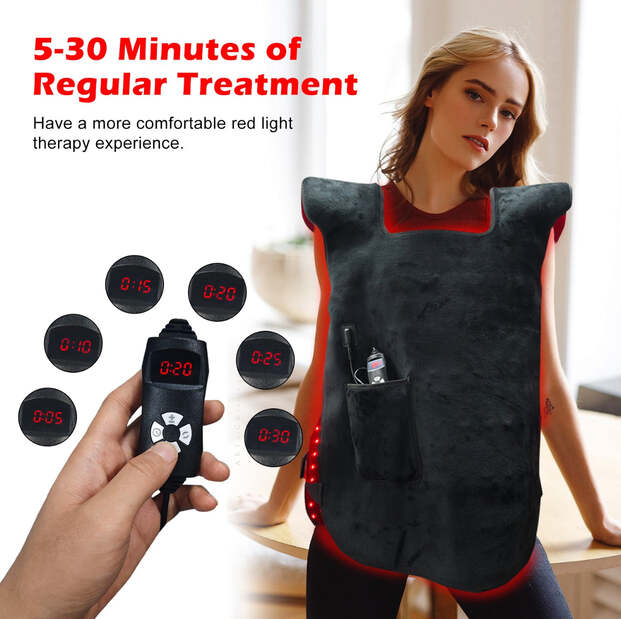
A red light therapy vest is a wearable garment or wrap embedded with LED light panels. Instead of standing in front of a stationary panel, you put the vest on and move around, sit, or relax while it works.
Most vests wrap around the torso, shoulders, and sometimes the arms or lower back. A separate controller usually manages settings like intensity and session length.
Compared with a wall-mounted panel, a vest for wearable red light therapy gives you a few practical differences:
- Full contact with curved areas of the body, like the shoulders and lower back
- Hands-free use during light stretching, reading, or watching TV
- Easier storage and travel than a large panel
People often search for a red light therapy vest for home use because it fits into small apartments and busy schedules better than a full panel setup.
How Red and Near-Infrared Light Therapy Works
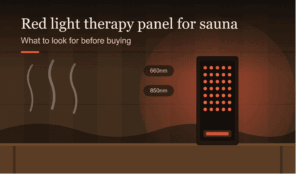
Red and near-infrared light therapy, also called photobiomodulation, uses specific wavelengths of light to interact with cells. Red light, generally around 660nm, tends to affect tissue closer to the skin’s surface. Near-infrared light, generally around 850nm, penetrates somewhat deeper into muscle and connective tissue.
Researchers believe the light is absorbed by a component of cells called cytochrome c oxidase, which sits inside mitochondria. According to a widely cited review of proposed mechanisms published in IEEE Journal of Selected Topics in Quantum Electronics and hosted on the National Institutes of Health’s PMC archive, this interaction may influence cellular energy production and several downstream signaling pathways.
That said, scientists are still working out exactly how much of an effect this has in real-world use, and results vary by wavelength, dose, and the tissue being targeted. No single mechanism explanation is considered fully settled science yet.
660nm Red Light vs. 850nm Near-Infrared Light
Here is a quick side-by-side look at how the two wavelengths are generally understood to differ:
| Wavelength | Typical Depth | Commonly Discussed Focus Areas |
|---|---|---|
| 660nm Red Light | Skin and surface tissue | Skin appearance, surface-level comfort |
| 850nm Near-Infrared | Deeper muscle and joint tissue | Muscle tissue, joints, deeper structures |
Many wearable devices, including vests, combine both wavelengths so users get surface and deeper tissue exposure in the same session.
Potential Wellness Applications and What the Evidence Shows
It helps to separate what is well-studied from what is still emerging. Photobiomodulation research spans decades, but evidence strength differs by use case.
Areas with a reasonable body of research:
- Skin appearance and surface-level comfort
- Post-exercise muscle soreness and recovery routines
- General relaxation as part of an active lifestyle
Areas that are more preliminary or mixed:
- Joint comfort and mobility support
- Broader inflammation-related outcomes
None of this amounts to a treatment or cure for any medical condition. If you have a diagnosed health condition, it is worth talking with a doctor before adding any light therapy device to your routine, wearable or otherwise.
A gentle wellness habit like this works best alongside the basics: enough sleep, regular movement, and stretching. Light therapy is a complement to those habits, not a replacement for them.
Benefits and Convenience of Wearable Devices
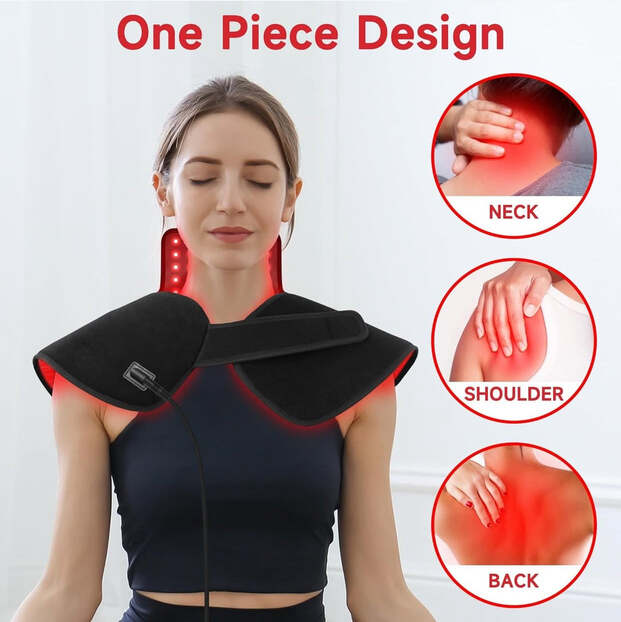
The biggest draw of a red light therapy wearable device is convenience. You are not standing still in front of a panel for the whole session.
Practical advantages people commonly report with wearables:
- You can multitask during a session (read, watch a show, stretch lightly)
- No need to reposition a panel as you move
- Easier to pack for a gym bag, office desk, or suitcase
- Consistent contact with curved body areas, unlike a flat panel
For anyone building an at-home light therapy habit into a weekly routine, that convenience often makes the difference between using a device consistently and letting it sit in a closet. A short, relaxing session after a workout or a long day at a desk can become an easy part of winding down.
Features to Compare Before You Buy
Not all wearable devices are built the same way. Before buying, look closely at the actual specifications rather than marketing language alone.
Here are the features worth comparing:
| Feature | Why It Matters |
|---|---|
| Wavelengths offered | Confirms whether you get red light, near-infrared, or both |
| LED count and type | Affects coverage area and consistency of light output |
| Power output (watts) | Indicates overall energy delivered by the device |
| Intensity levels | Lets you adjust the session to comfort and skin sensitivity |
| Timer and auto shut-off | Helps you avoid overly long sessions |
| Coverage area / dimensions | Determines how much of your torso or back the vest reaches |
| Portability and weight | Matters for travel, gym use, or storage at home |
| Warranty length | Reflects manufacturer confidence and buyer protection |
When you compare red light therapy device specifications across brands, request the manufacturer’s documented wavelength and power numbers rather than relying on stock photos or generic claims. A reputable seller will list these clearly on the product page.
Red Light Therapy Vest vs. Panels, Mats, and Belts
Wearable vests are not the only option on the market. Each format has its own strengths.
| Format | Best For | Trade-Off |
|---|---|---|
| Vest | Hands-free, curved coverage (shoulders, back, torso) | Smaller coverage area than a large panel |
| Full-body panel | Large, flat surface areas in one session | Requires standing still in one spot |
| Mat | Lying down, back and leg coverage | Less practical for upper-body or shoulder use |
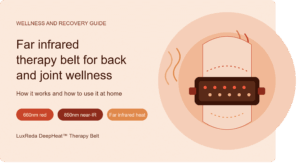
| Belt/wrap | Targeted, small areas like joints | Limited to a narrow zone |
If your priority is broad, whole-body exposure at home, a full-body red light therapy panel may cover more surface area per session. If you want something for your desk or a quick spot treatment, a compact desktop therapy panel is worth a look. A vest sits in between: less total surface area than a large panel, but far more portable and genuinely hands-free.
Choosing between these formats often comes down to your daily routine. Someone who travels often or works from a shared office may prefer the vest’s portability, while someone with a dedicated home wellness space may prefer a panel.
Safety Considerations and Responsible Use
Red and near-infrared light therapy devices are generally categorized by the FDA as general wellness products when they are marketed only for wellness purposes, at low intensity, without disease-treatment claims. According to the FDA’s General Wellness: Policy for Low Risk Devices guidance, such low-risk products are not actively reviewed by the agency’s device center in the same way regulated medical devices are.
That does not mean every device on the market is equally well-made or that “low risk” means “risk-free.” Sensible precautions still apply:
- Always follow the manufacturer’s instructions and recommended session times
- Do not stare directly into LED light panels
- Avoid use over broken skin, active rashes, or recent surgical sites unless a doctor has approved it
- Check with a physician before use if you are pregnant, have a photosensitivity condition, or take medication that increases light sensitivity
- Discontinue use and consult a doctor if you notice unusual skin irritation
This same responsible-use mindset applies to related home wellness equipment, including home tanning beds and other indoor light-based devices. UV tanning is a different technology from red and near-infrared light therapy, and it carries its own separate risks, so it should never be treated as “safe tanning.” Anyone using UV equipment at home should follow the manufacturer’s instructions and applicable FDA guidance closely.
Introducing the LuxReda™ Portable Red & Infrared Light Therapy Vest
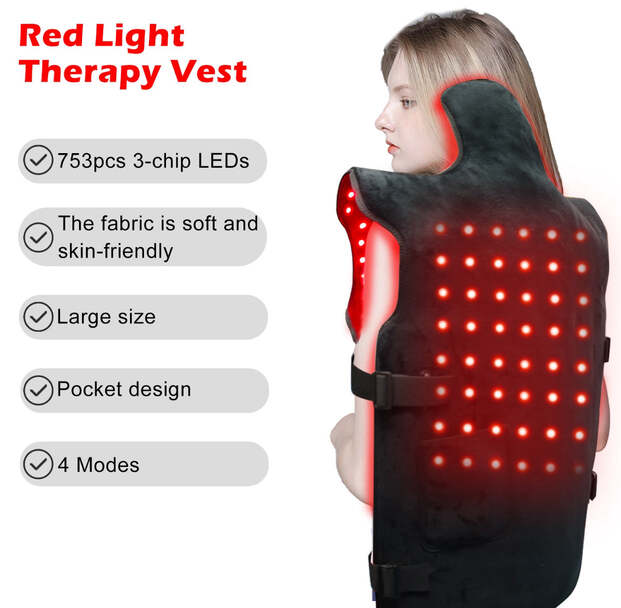
For readers who have made it this far and want a real-world example, the LuxReda™ Portable Red & Infrared Light Therapy Vest is a wearable device built around the two wavelengths discussed above.
Based on the manufacturer’s published specifications, the vest includes:
| Specification | Detail |
|---|---|
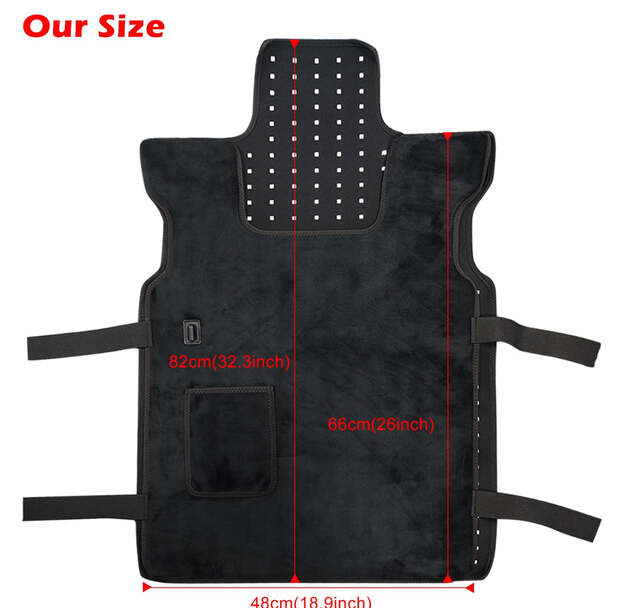
| Dimensions | 31″ x 19″ |
| Power Output | 80W |
| LED Quantity | 750 LEDs |
| LED Type | 5050SMD Triple-Chip LEDs |
| Red Light Wavelength | 660nm |
| Near-Infrared Wavelength | 850nm |
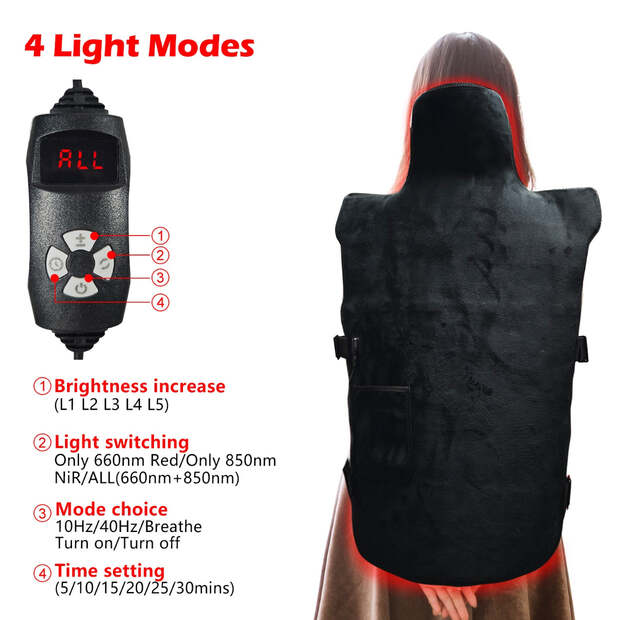
| Intensity Levels | 4 levels |
| Timer Function | Yes |
| Pulsed Mode | Yes |
| Auto Shut-Off | Yes |
| Design | Foldable and lightweight |
| Input Voltage | 120V / 220V |
| Warranty | 1 year |
The vest ships with a controller, power supply, and user manual. It is built to fold for storage or travel, and the adjustable intensity levels and timer give you some control over each session.
If you are comparing options, it is worth reviewing the full product specifications directly on the LuxReda red light therapy vest page before you decide.
Frequently Asked Questions
It depends on your goal. A vest gives you hands-free, curved-body coverage, while a panel typically covers a larger flat area in a single session. Neither format has been shown to be universally “more effective” — the right choice depends on the areas you want to target and how you plan to use the device.
Follow the specific manufacturer’s instructions for your device, since session length recommendations vary by product, intensity level, and wavelength combination.
Manufacturer guidance varies. Check your specific product’s instructions, since light needs to reach the skin to have the intended effect, and thick fabric can block it.
Many are marketed as general wellness devices, a category the FDA does not actively review the way it reviews regulated medical devices, provided the product makes only general wellness claims and presents low safety risk.
Anyone who is pregnant, has a photosensitivity condition, takes light-sensitizing medication, or has a serious skin condition should talk with a doctor first.
No. Near-infrared light sits in a different part of the light spectrum than ultraviolet (UV) light, and the two should not be confused when discussing safety or intended use.
Conclusion and Next Step
A red light therapy vest is a practical, wearable option for anyone building a light-based wellness routine into everyday life. It will not replace medical care, but it can fit naturally into recovery days, quiet evenings, or a few minutes of downtime between errands.
Wellness routines work best when they are simple enough to stick with. Whether that means a short walk, a stretch session, or fifteen minutes with a light therapy device, small consistent habits tend to add up more than any single product.
If a wearable device sounds like the right fit for your routine, take a closer look at the LuxReda™ Portable Red & Infrared Light Therapy Vest and its full specifications before you decide.
Thank you