A sauna session already feels like a small act of self-care. It’s a few quiet minutes away from your phone, your inbox, and your to-do list. Adding red light therapy to that routine gives you one more way to make that time count.
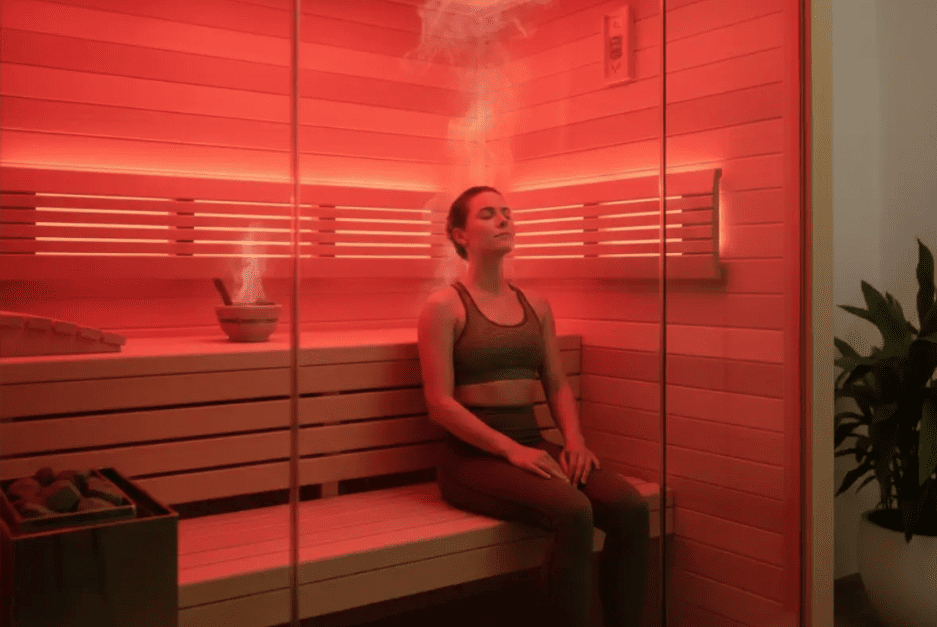
If you’ve started seeing red-glowing panels inside sauna cabins at gyms and spas, you’re not imagining a trend. Red light therapy sauna setups pair red and near-infrared LED light with a traditional or infrared sauna. They’ve become one of the more popular additions to home wellness rooms across the U.S. and Canada.
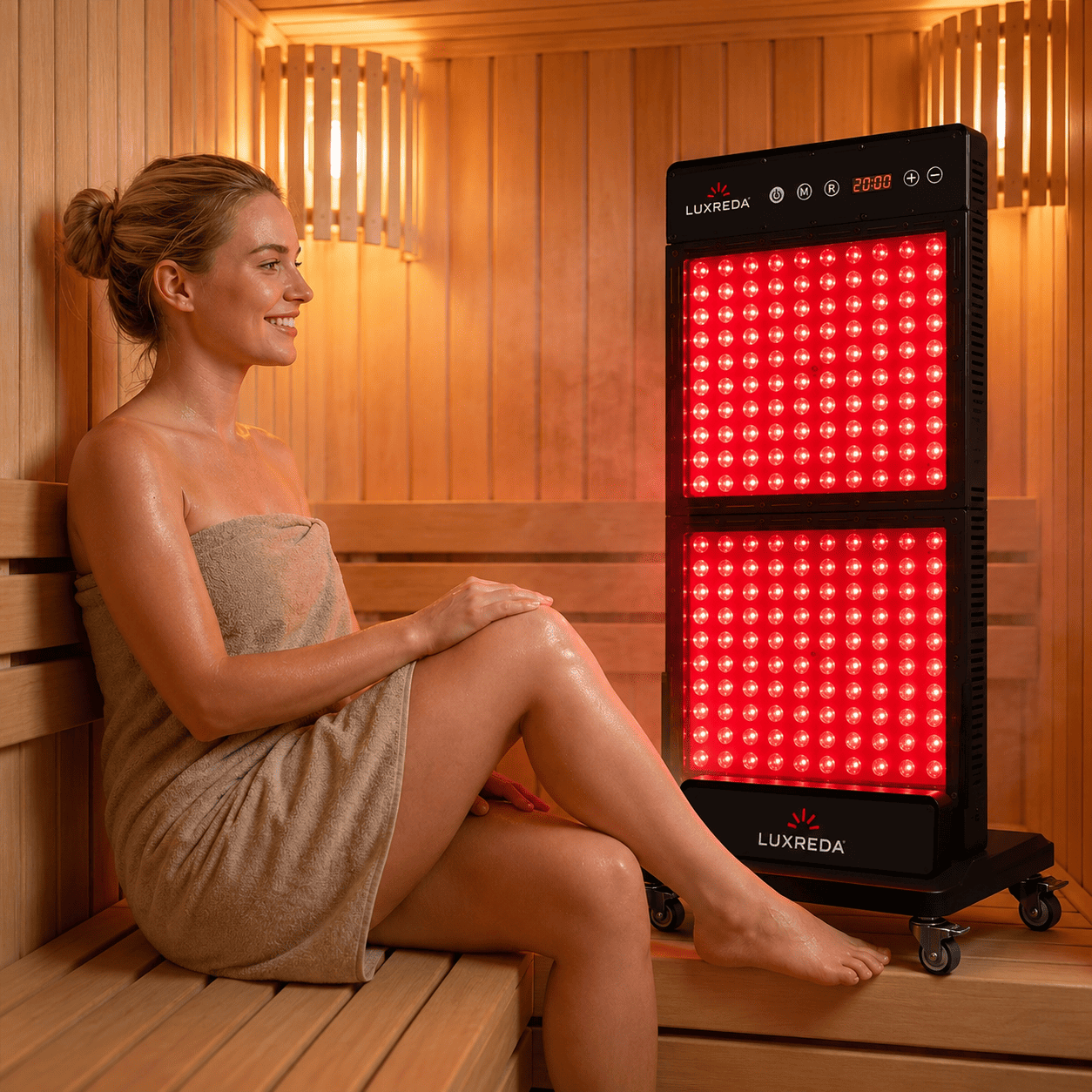
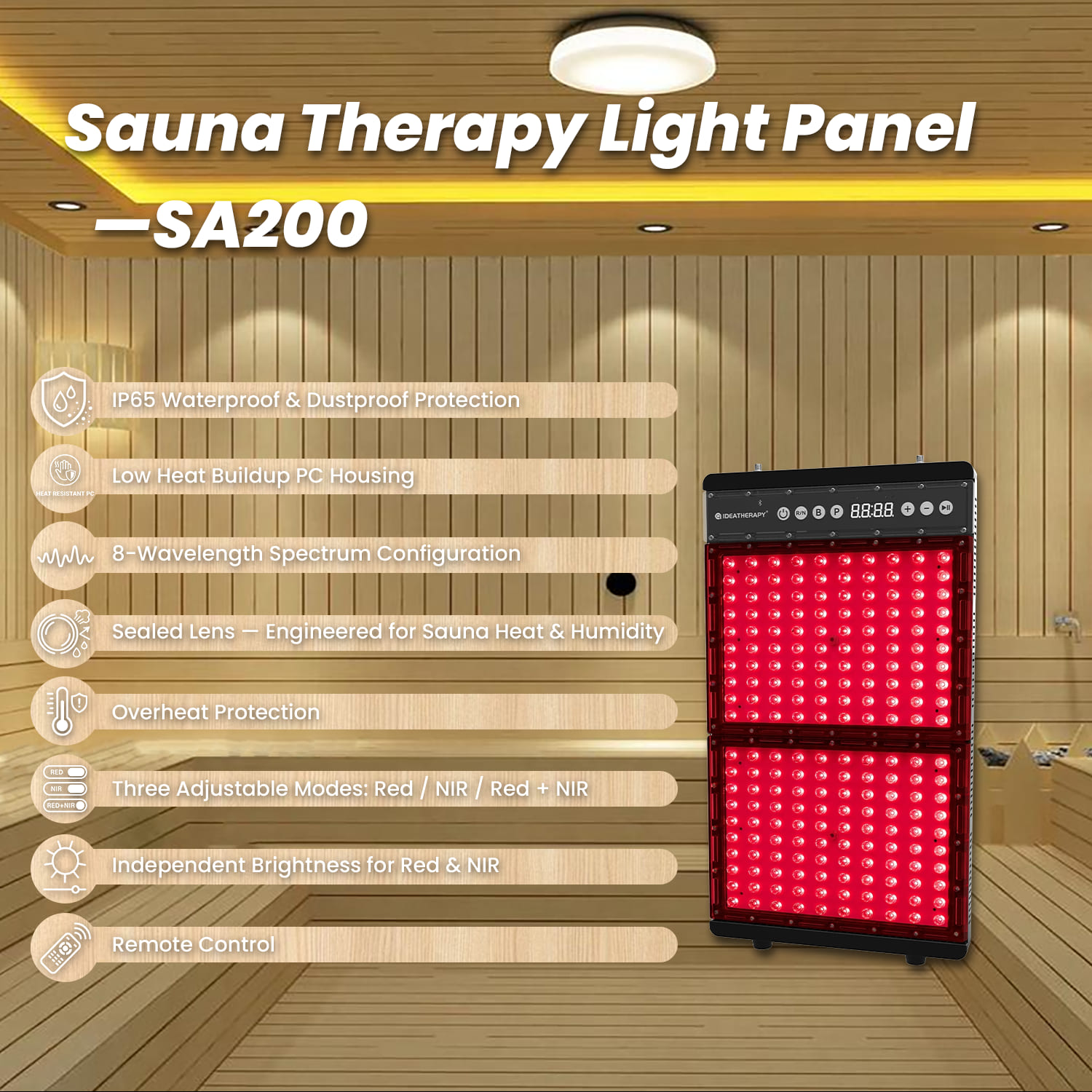
This guide explains what red light therapy actually is. It covers how people typically use it alongside a sauna, and what to look for if you’re shopping for a sauna-compatible panel like the LuxReda SA200.
Key Takeaways
- Red light therapy sauna setups combine red and/or near-infrared LED light exposure with a sauna environment.
- Red light therapy (photobiomodulation, or PBM) uses specific light wavelengths, commonly around 660nm and 850nm, that researchers are still actively studying.
- Not every red light panel can handle sauna heat and humidity, so sauna compatibility matters when you shop.
- Research suggests red light may support skin appearance, including a 2023 clinical trial on periocular wrinkles. Results vary by protocol and device.
- Evidence quality across photobiomodulation research differs a lot by outcome. It’s worth keeping your expectations cautious rather than treating it as a guaranteed fix.
- The LuxReda SA200 works inside a sauna environment, and it’s part of LuxReda’s broader red light therapy device lineup.
What Is Red Light Therapy?
Red light therapy sauna: a wellness setup that combines a sauna environment with red and/or near-infrared LED light exposure.
Red light therapy, also known as photobiomodulation (PBM), exposes the skin to specific wavelengths of visible red and near-infrared light. Unlike UV light, red and near-infrared wavelengths don’t cause sunburn or tanning.
The idea behind PBM builds on decades of laboratory and clinical research into how light wavelengths interact with cells. Researchers have studied it for skin appearance, recovery-related applications, and general wellness use, among other areas.
It’s worth being clear about something up front: PBM is not a miracle cure. Regulators also don’t treat it the same way as prescription treatments. The U.S. Food and Drug Administration treats many photobiomodulation devices as general wellness products, while stricter medical device rules cover some higher-powered clinical devices. You can review the FDA’s guidance on photobiomodulation devices for the regulatory detail.
Can You Use Red Light Therapy in a Sauna?
Yes, but only with a panel built for it.
Manufacturers usually design standard red light panels for open-air, room-temperature use. Sauna cabins run much hotter, and steam or traditional saunas add much more humidity on top of that. That combination can damage electronics that weren’t built to handle it.
A sauna red light therapy panel needs heat-tolerant components. It also needs sealed or weatherproof housing and wiring rated for your specific sauna’s temperatures. Before installing any light panel in a sauna, check the manufacturer’s stated operating temperature range. Confirm it matches your sauna’s typical heat level.
This is also where an infrared sauna and red light therapy setup differs from a traditional wood-burning or steam sauna. Infrared saunas usually run cooler than traditional saunas. That lower heat can make panel placement and heat tolerance a little more forgiving, though you should still confirm compatibility before installing anything.
How Red and Near-Infrared Light Work
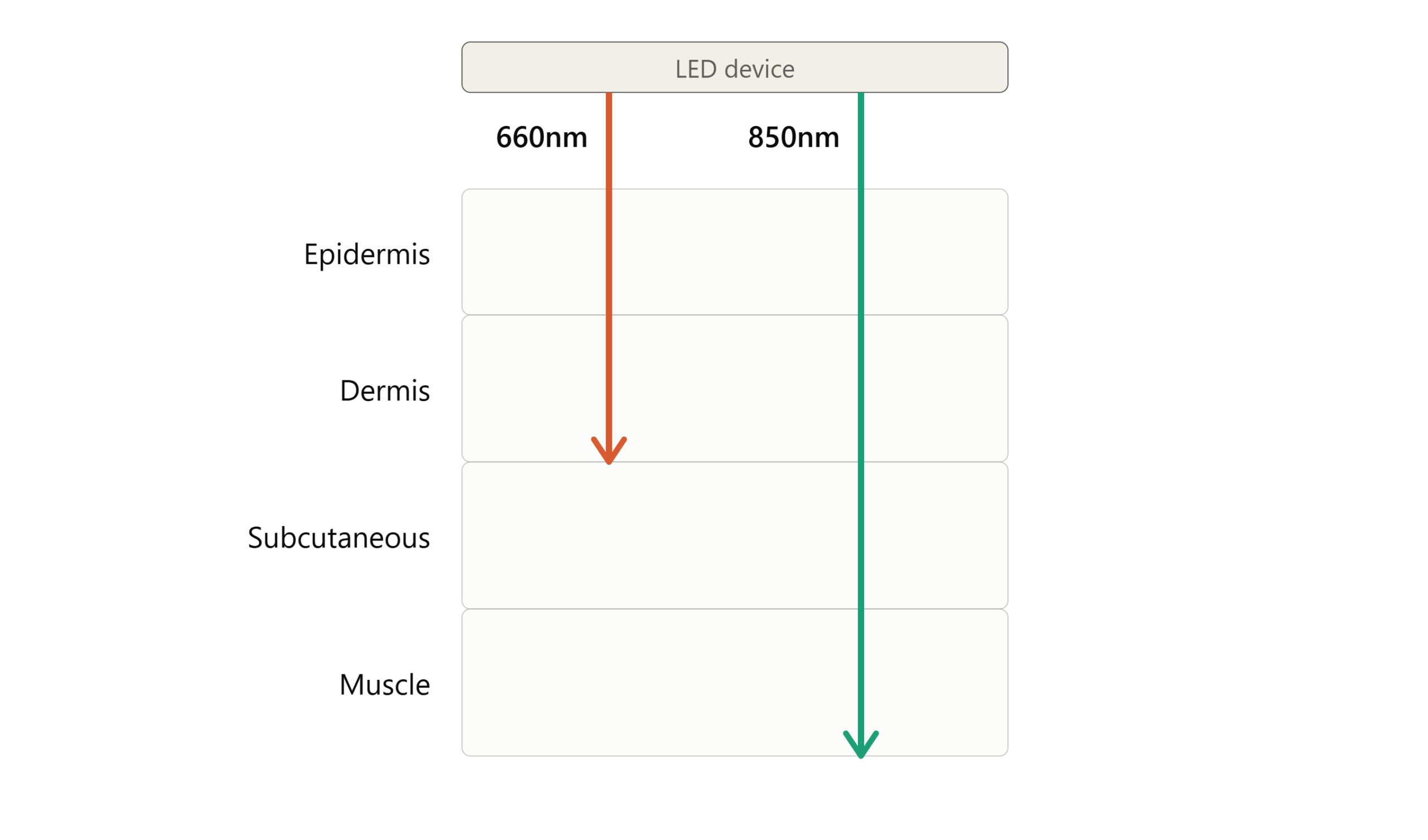
Red and near-infrared light sit next to each other on the light spectrum. Near-infrared light falls just outside what the human eye can see. Visible red light generally falls around 620–700nm, while near-infrared wavelengths pick up from roughly 700–1000nm.
Photobiomodulation research has focused heavily on two wavelengths in particular:
- 660nm red light — associated with more surface-level skin applications in published research
- 850nm near-infrared light — studied for its ability to penetrate somewhat deeper into tissue
Scientists have proposed that these wavelengths interact with mitochondria, the energy-producing structures inside cells. Researchers are still studying the exact mechanisms, and they haven’t fully settled the details. That’s why credible sources describe PBM as something that “may support” certain outcomes, or something that’s “being studied for” a use, rather than something proven to guarantee results.
Potential Benefits of Red Light Therapy in a Sauna
The evidence base is still developing, so think of this section as an honest look at what’s being studied, not a list of guaranteed outcomes. A large 2025 umbrella review covering 204 randomized trials found meaningful effects for a handful of specific outcomes. Many other areas of research still carry low or very-low certainty evidence. You can read the full umbrella review in Systematic Reviews for the underlying data.
With that context in mind, here’s what people commonly use sauna red light therapy panels for.
Skin Appearance
Skin-related applications have some of the more specific clinical data available. A randomized clinical trial involving 137 women tested red (660nm) and amber (590nm) photobiomodulation over a four-week, 10-session protocol. Researchers found a reduction in periocular wrinkle volume for both wavelengths. You can review the published study on periocular wrinkle reduction for the full methodology.
That study used a specific clinical protocol, so it doesn’t automatically predict identical results from a consumer sauna panel used at home. Still, it’s a useful reference point if you’re curious about the research behind red light and healthy-looking skin.
Relaxation and Wellness
For many people, the appeal is simple. A few extra minutes of stillness at the end of a sauna session go a long way. Pairing warm light with the quiet of a sauna room can feel genuinely relaxing, even setting the research questions aside.
Exercise Recovery
Post-workout recovery is one of the more common reasons people add a red light panel to their sauna routine. Some research has explored near-infrared light and muscle recovery together, though protocols and results vary across studies, as they do with most PBM research.
Muscle Comfort
Similar to recovery, general muscle comfort after activity is a common reason people reach for red or near-infrared light. Researchers are actively studying this area, and individual responses vary.
General Wellness Routine
Beyond any single benefit, a lot of people simply like having a consistent self-care ritual. A sauna session with a few extra minutes under warm light can close out a long day or a hard workout nicely.
Red Light vs. Near-Infrared Light: What’s the Difference?
| Feature | Red Light (~660nm) | Near-Infrared Light (~850nm) |
|---|---|---|
| Visibility | Visible red glow | Mostly invisible to the eye |
| Typical depth of interest | More surface-level, skin-focused | Studied for somewhat deeper tissue penetration |
| Common use cases in research | Skin appearance, surface applications | Recovery-related and deeper-tissue applications |
| How it’s usually delivered | LED panels, masks, handheld devices | LED panels, often paired with red LEDs |
Many red and near infrared light therapy panels, including sauna-rated models, combine both wavelengths. That way, you don’t have to choose one over the other.
What to Look for in a Sauna Red Light Therapy Panel
Not every panel labeled “red light therapy” works for sauna use. Here’s what actually matters when you compare options.
Wavelengths
Look for panels that clearly list their wavelengths, ideally in the well-researched 620–700nm and 810–860nm ranges. Vague marketing language without specific numbers is a red flag.
Irradiance
Irradiance measures how much light energy reaches your skin at a given distance, usually listed in mW/cm². Higher irradiance generally means shorter session times. Manufacturers should still explain how and where they measured it.
Coverage
Panel size determines how much of your body receives light at once. A larger panel covers more surface area per session. That matters more if you’re treating a wide area rather than one specific spot.
LED Configuration
Some panels mix red and near-infrared LEDs together, while others offer independent controls for each wavelength. Independent control gives you more flexibility to adjust sessions to your goals.
Session Controls
Timers, dimming, and remote or app control affect how easy a panel is to use inside a hot sauna cabin. You probably don’t want to fumble with tiny buttons once the heat kicks in.
Installation
Consider how the panel mounts inside your sauna: wall-mounted, bench-mounted, or freestanding. Check that it fits your existing sauna’s dimensions and wiring setup.
Sauna Compatibility
This is the big one. Confirm the panel’s rated operating temperature against your sauna type, whether that’s a traditional dry sauna, steam sauna, or infrared sauna. A panel rated for standard room use isn’t a safe substitute for a sauna-rated model.
Safety Considerations
Follow the manufacturer’s instructions for session length, distance from the light source, and eye protection if they recommend it. If you’re pregnant, taking photosensitizing medication, or managing a medical condition, check with a healthcare provider before starting any new light therapy routine.
Why Consider the LuxReda SA200?
The LuxReda Sauna Red Light Therapy Panel SA200 targets sauna use specifically, rather than general room use.
LuxReda built the SA200 as a sauna-compatible unit, so it fits into the buying considerations above: you install it inside a heated cabin rather than using it only in open air. As with any sauna light panel, check the current product page for the exact wavelength specifications, dimensions, and installation details before you buy, since manufacturers periodically update specs.
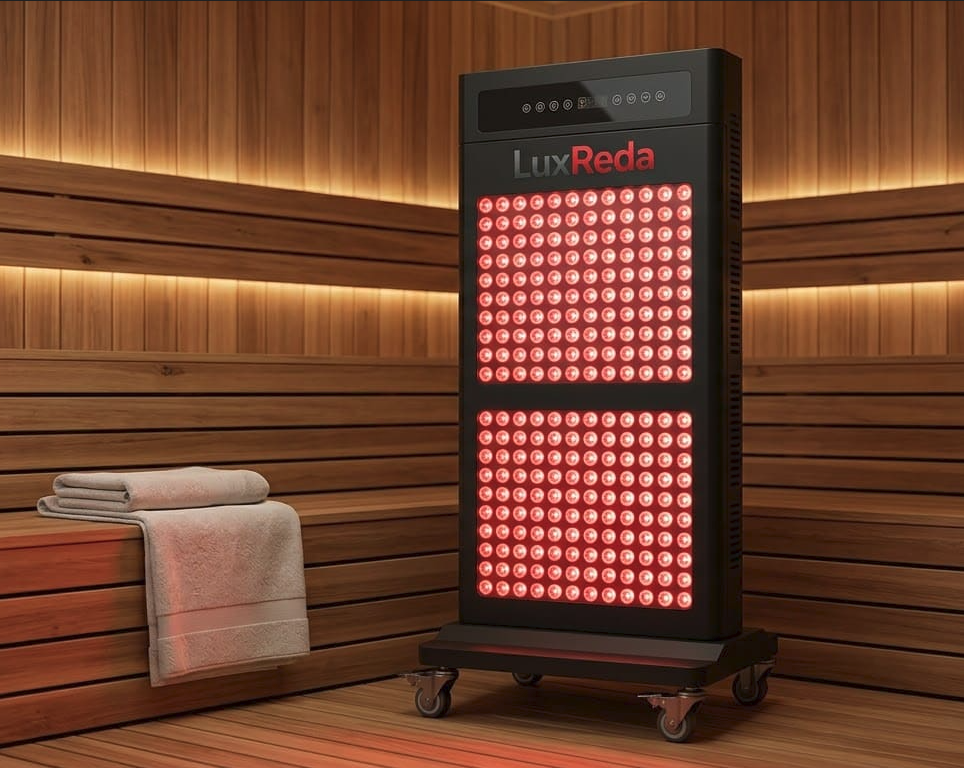
If you’re still comparing your options, browse LuxReda’s sauna collection alongside its broader red light therapy device lineup. Side-by-side browsing makes it easier to see how a sauna-specific panel compares to standalone panels meant for open-air rooms.
How to Add Red Light Therapy to Your Home Sauna Routine
Getting started doesn’t have to be complicated. A simple, consistent routine tends to work better than an all-or-nothing approach.
- Confirm compatibility first. Match your panel’s heat rating to your sauna type before installing anything.
- Start with shorter sessions. Many people begin short and adjust based on manufacturer guidance and how they feel.
- Position the panel at the recommended distance. Distance from the light source affects how much light actually reaches your skin.
- Build it into an existing habit. Pair red light with a sauna session you already do, whether that’s after a workout, before bed, or during a weekend wind-down.
- Give it time. Skin-related research protocols, like the periocular wrinkle study mentioned above, generally involved several weeks of consistent sessions rather than a single use.
If you don’t have a dedicated sauna room, far infrared sauna blankets offer another way to bring heat-based wellness routines into a smaller space. Just check light panel compatibility separately, since blankets and cabins don’t share the same specs.
Small, steady habits like this tend to matter more than any single session. A few consistent minutes each week is a reasonable, sustainable way to make wellness part of your routine.
Red Light Therapy Sauna FAQs
Is red light therapy safe to use in a sauna?
It can be, as long as you use a panel rated specifically for sauna heat and humidity. Follow the manufacturer’s session and safety guidelines, too. Standard room-use panels aren’t designed for sauna conditions.
Can you use a red light therapy panel inside an infrared sauna?
Yes, many people do. You still need a panel rated for the temperatures your infrared sauna reaches. Always check the manufacturer’s specifications first.
What wavelength is best for red light therapy?
There isn’t one universally “best” wavelength. Research has focused heavily on 660nm red light and 850nm near-infrared light. Many panels combine both to cover a wider range of studied applications.
Is 660nm or 850nm better?
Neither is strictly better; researchers study them for different things. People associate 660nm more with surface-level, skin-focused research, while 850nm gets studied for deeper tissue applications. Many users choose panels that offer both.
Does red light therapy help skin look younger?
Some clinical research, including a 2023 randomized trial on periocular wrinkles, found improvements in wrinkle appearance after several weeks of consistent sessions. Results vary by study protocol, device, and individual. It’s reasonable to view this as a potential benefit rather than a guarantee.
How long should a red light therapy session last?
Session length varies by device and manufacturer recommendation. Many published studies used sessions of just a few minutes rather than long exposures. Always follow the specific guidance that comes with your device.
Can red light therapy be used after exercise?
Many people work red or near-infrared light into a post-workout routine, and researchers are actively studying this use. As with other applications, individual results vary, and it isn’t a substitute for proper rest and recovery basics.
What should I look for when buying a sauna light therapy panel?
Prioritize clearly listed wavelengths, a stated sauna-safe temperature rating, and transparent irradiance information. Look for clear manufacturer instructions for safe use, too.
Final Thoughts
Red light therapy sauna setups combine two wellness habits a lot of people already enjoy on their own. The research looks promising in specific areas, especially around skin appearance, while other areas are still developing. It’s worth going in with realistic, informed expectations rather than treating it as a cure-all.
If you already love your sauna routine, a sauna-rated panel like the LuxReda SA200 gives you a low-effort way to explore what red and near-infrared light might add to it. And if red light therapy is new to you, there’s no rush. Start slow, stay consistent, and let your own routine set the pace.
Take care of yourself, make room for the small rituals that help you unwind, and let your wellness routine grow at a pace that actually fits your life.
Thank you