Taking care of your intimate health is just as important as any other part of your wellness routine. If you’ve been curious about the growing interest in feminine wellness light therapy, you’re in the right place. This guide breaks down how red and blue light work, what makes them different, and what to consider before bringing a device into your home.
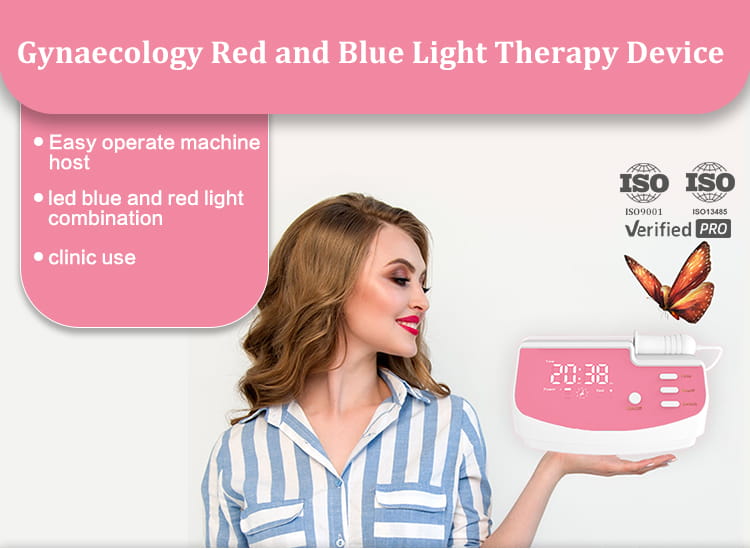
What Is Feminine Wellness Light Therapy?
Feminine wellness light therapy uses specific wavelengths of red and blue LED light to support intimate tissue health. You may also hear it called photobiomodulation (PBM) or low-level light therapy . These terms describe the same basic idea: light energy interacts with cells to support their natural function.
Unlike UV light from tanning beds or the sun, red and blue LED therapy contains no ultraviolet radiation. The devices emit gentle, visible light that does not damage skin tissue . That distinction matters for anyone concerned about safety.
Intimate care light therapy has moved from clinics into home settings. Women can now use dedicated at-home feminine wellness devices privately and on their own schedule. This shift makes consistent use more practical for many people.
Red Light vs. Blue Light: What’s the Difference?
The two light types serve different purposes based on their wavelengths and how tissue responds to them.
Red Light (Typically 630–660 nm)
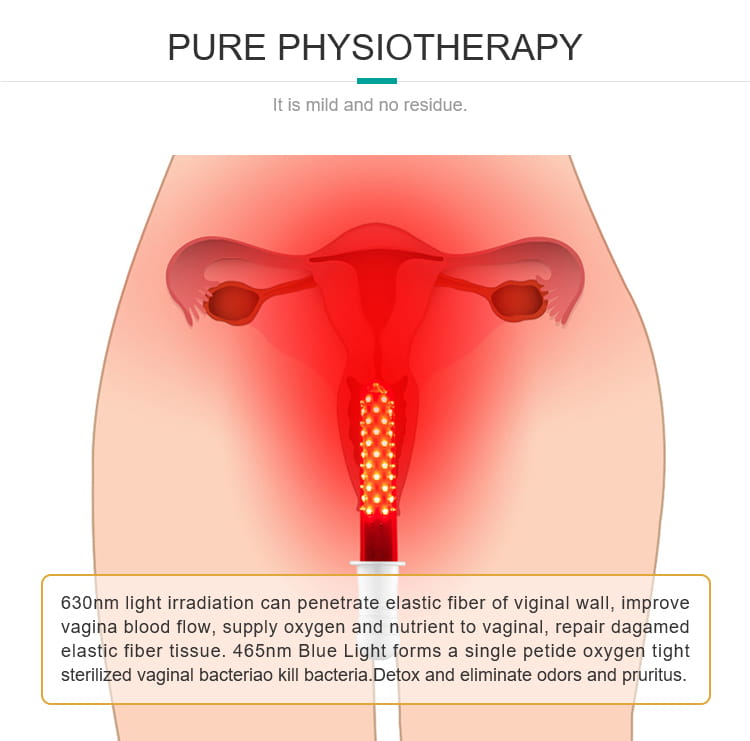
Red light penetrates deeper into tissue. Researchers believe it interacts with mitochondria, the energy-producing structures inside cells . This interaction may support cellular energy production, circulation, and tissue repair processes.
Red light therapy for feminine wellness often focuses on comfort and tissue health. Some studies have explored its use for vaginal dryness, discomfort, and tissue quality in women navigating menopause or other hormonal changes .
Blue Light (Typically 400–470 nm)
Blue light has a shorter wavelength and acts closer to the surface. Research suggests it may have antimicrobial properties through the production of reactive oxygen species . This makes blue light a subject of interest for intimate hygiene support and microbial balance.
A clinical trial launched in 2026 is investigating blue LED photobiomodulation delivered through home-based protocols for conditions like bacterial vaginosis and vulvovaginal candidiasis . That research is still ongoing, but it reflects growing scientific attention to this application.
Quick Comparison
| Feature | Red Light | Blue Light |
|---|---|---|
| Wavelength range | 630–660 nm | 400–470 nm |
| Penetration depth | Deeper into tissue | Surface level |
| Primary research focus | Tissue comfort, circulation | Microbial balance |
| Typical session length | 10–20 minutes | 8–15 minutes |
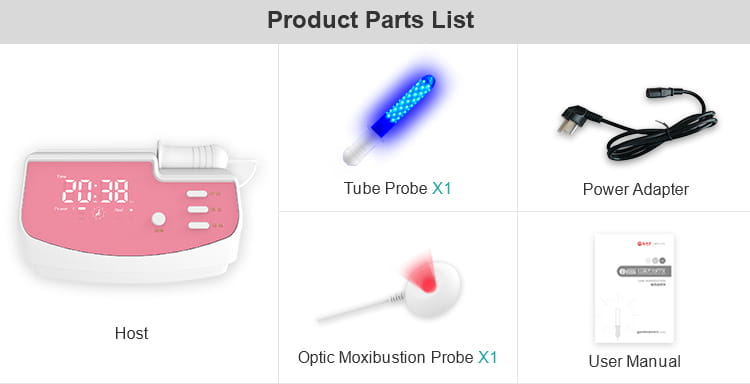
What Does the Research Say About Intimate Light Therapy?
The research landscape for intimate light therapy is evolving. Some areas have more published data than others, and it’s important to separate what’s established from what’s still emerging.
Red Light Research
Published studies on red light for intimate wellness have shown promising results. A 2026 clinical study found that photobiomodulation using blue and red LED reduced vaginal pain and improved sexual function in women undergoing hormone therapy for breast cancer . The study combined blue LED at 440 nm and red LED at 660 nm across four weekly sessions.
An integrative review of photobiomodulation for sexual dysfunction noted positive effects on pain, lubrication, and quality of life, though the authors emphasized that protocol diversity and limited controlled trials restrict how broadly these findings can be generalized .
Blue Light Research
Research on blue LED therapy for vulvovaginal conditions is earlier stage. A randomized clinical trial currently recruiting participants will compare home-based and outpatient blue LED protocols for genitourinary syndrome of menopause, bacterial vaginosis, and vulvovaginal candidiasis . This study will provide more clarity on efficacy and optimal treatment parameters.
What This Means for You
Red light for intimate wellness has more published research behind it. Blue light shows theoretical promise and is under active investigation. Neither should replace medical care for persistent symptoms. But as wellness tools, both offer non-invasive options worth understanding.
What to Look for in an At-Home Feminine Wellness Device
Choosing an intimate care device for women involves more than picking the first option you find. Several practical factors affect both comfort and usability.
Wavelength Specifications
Look for devices that clearly state their wavelengths. Red light devices typically fall in the 630–660 nm range. Blue light devices usually operate around 400–470 nm. If a product doesn’t disclose this information, that’s a red flag.
Treatment Timer and Adjustability
An adjustable treatment timer lets you control session length. Beginners may prefer shorter sessions while building comfort. A device with fixed, long sessions may feel overwhelming at first.
Cooling and Comfort Features
Intimate tissue is sensitive. A cooling treatment head or gentle warmth can make sessions more comfortable. Some devices generate heat naturally from the LEDs, while others include separate cooling mechanisms.
Controlled Light Intensity
Light intensity affects both safety and effectiveness. Reputable devices provide clear output specifications. Very high intensity isn’t necessarily better, especially for sensitive areas.
Ease of Use and Cleaning
A device that’s difficult to use or clean won’t become part of your routine. Look for intuitive controls, clear instructions, and materials that are easy to sanitize.
Ozone Support Technology
Some devices include ozone support as an additional feature. This technology is distinct from the light therapy itself and may appeal to women looking for layered hygiene support. If a device offers this, verify what the feature actually does rather than relying on marketing language.
How LuxReda Approaches Dual-Spectrum Light Therapy
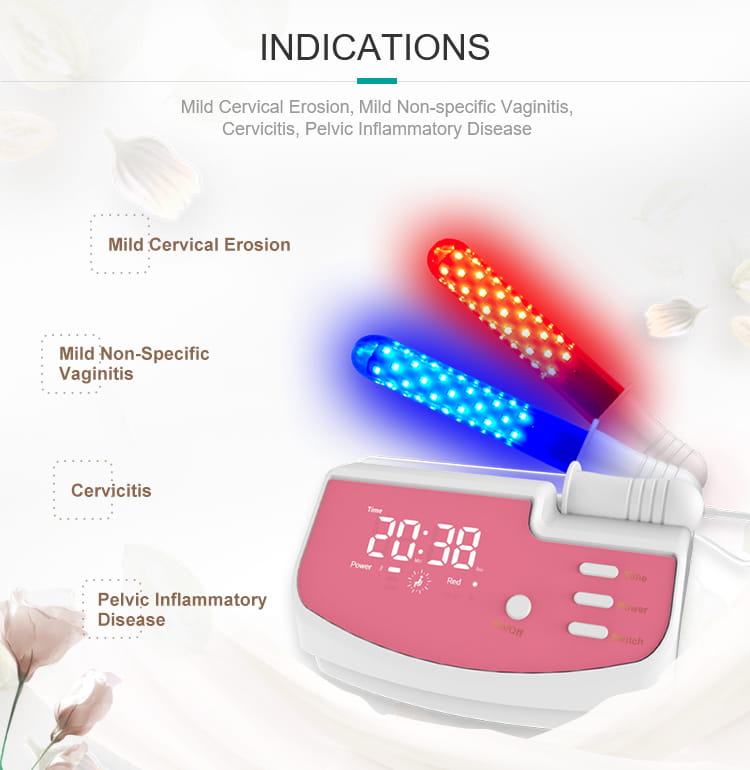
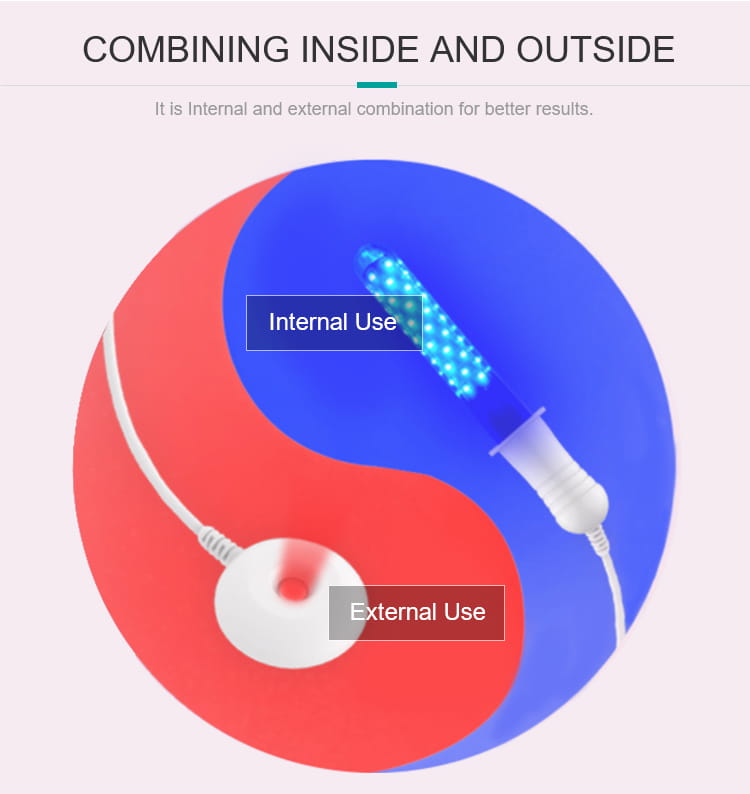
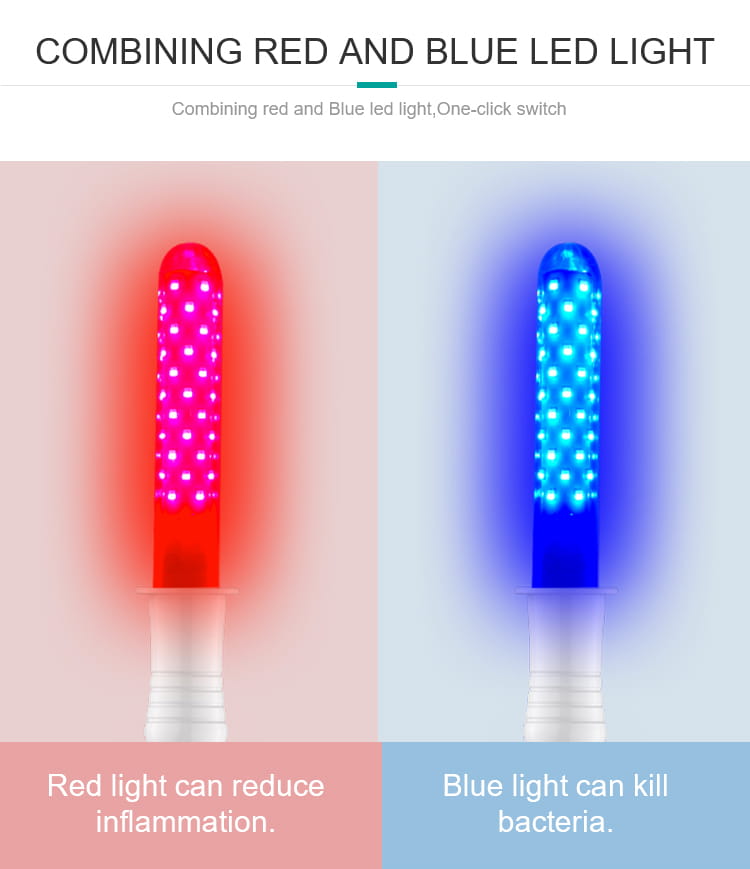
LuxReda designed its Blue & Red Light Therapy Device for Feminine Wellness around two core ideas: dual-spectrum coverage and user comfort. The device combines red and blue LED light in one handheld unit, allowing you to address different wellness goals without switching devices.
The LuxReda device also includes ozone support technology. This feature adds a hygiene dimension that goes beyond light therapy alone. For women who want both light-based wellness and additional intimate care support, that combination may be appealing.
Practical design elements include an adjustable treatment timer and a cooling treatment head. These features matter because comfort drives consistency. A device that feels good to use is one you’ll actually keep using.
If you’re comparing options for a home light therapy routine, the LuxReda feminine wellness device offers a dual-spectrum approach in a compact, at-home format.
Building an At-Home Feminine Wellness Routine
A wellness routine works best when it fits naturally into your life. Here’s how to think about incorporating light therapy.
Start Slow
Your first few sessions don’t need to be long or intense. Begin with shorter treatment times and gradually increase as you become comfortable. This approach applies whether you’re using red light, blue light, or both.
Pick a Consistent Time
Morning or evening, choose a time that you can stick with. Consistency matters more than perfection. Even a few short sessions per week can become a meaningful habit over time.
Layer with Other Healthy Habits
Light therapy works best as part of a broader wellness approach. Staying hydrated, wearing breathable fabrics, and maintaining regular checkups with your healthcare provider all support intimate health. Think of light therapy as one tool in your toolkit, not the only one.
Track How You Feel
Pay attention to any changes in comfort or how you feel after sessions. This isn’t about expecting dramatic results overnight. It’s about noticing whether the routine feels supportive and sustainable for you.
Common Questions Before Buying an Intimate Wellness Device
Red and blue LED light therapy does not contain UV radiation. When used according to manufacturer instructions, these devices are generally well tolerated . Some people may experience mild sensitivity. If you have a medical condition or take photosensitizing medications, talk to your healthcare provider first.
This varies by individual and by what you’re looking for. Some women report changes in comfort within a few weeks of consistent use . Others may take longer. Light therapy is not a quick fix, and results aren’t guaranteed.
Many devices can be used during menstruation if you’re comfortable doing so. Follow the manufacturer’s guidance for your specific device.
Red light is more studied for tissue comfort and circulation. Blue light is of interest for microbial balance. A dual-spectrum device lets you use both without buying separate products. Your choice depends on your personal wellness goals.
Yes. Light therapy devices are wellness tools, not medical treatments. If you have persistent pain, unusual discharge, bleeding, or other concerning symptoms, see a qualified healthcare professional. Self-treating with any device can delay proper diagnosis and care
Important Safety Information
This article is for educational purposes only and does not provide medical advice. Red and blue light therapy devices are not intended to diagnose, treat, cure, or prevent any disease.
If you are pregnant, have a history of skin cancer, take medications that increase light sensitivity, or have an active infection, consult your healthcare provider before using any light therapy device.
Follow the manufacturer’s instructions for use, including recommended session length, cleaning procedures, and any contraindications. Do not use devices that lack clear wavelength and safety specifications.
If you experience persistent or worsening symptoms related to intimate health, seek evaluation from a qualified healthcare professional. Wellness devices can complement but never replace professional medical care.
Conclusion
Feminine wellness light therapy offers a non-invasive, at-home option for women interested in supporting intimate tissue health and hygiene. Red light and blue light work differently, and understanding those differences helps you make an informed choice.
A device like the LuxReda Blue & Red Light Therapy Device for Feminine Wellness combines both light types with features designed for comfort and ease of use. But the best device is the one that fits your routine and feels right for you.
Take care of yourself in ways that feel practical and sustainable. Small, consistent habits can make a meaningful difference in how you feel day to day. Your wellness deserves the same attention you give to everything else in your life.