A warm sauna session already feels like a small reward at the end of a long day. Adding a red light therapy sauna panel to that routine is one way people are trying to get more out of the time they already spend unwinding. If you’ve been searching for a red light therapy sauna panel and aren’t sure how it’s different from your sauna’s regular heat, or which features actually matter, this guide breaks it down in plain language.
What Is a Red Light Therapy Sauna Panel?
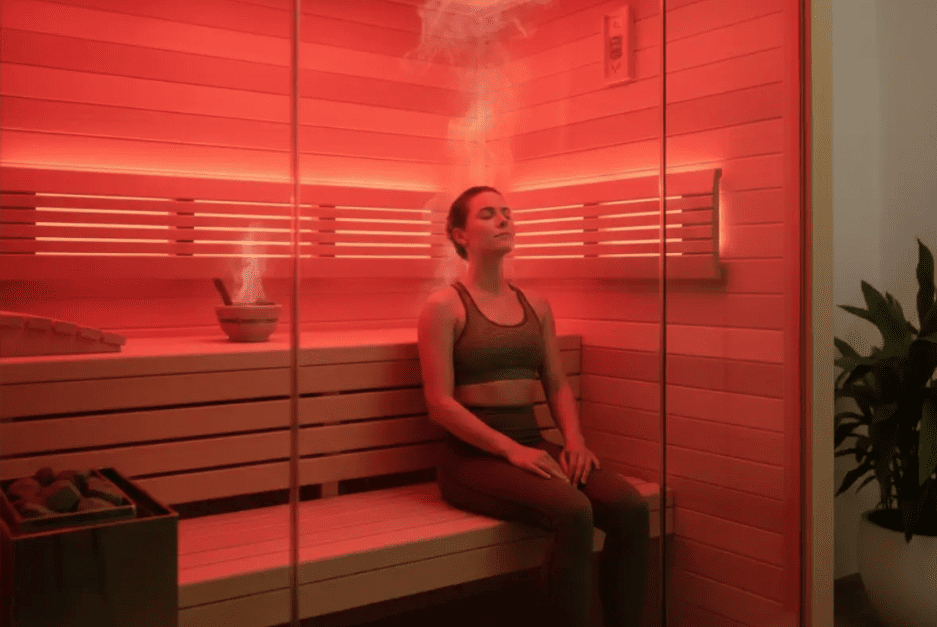
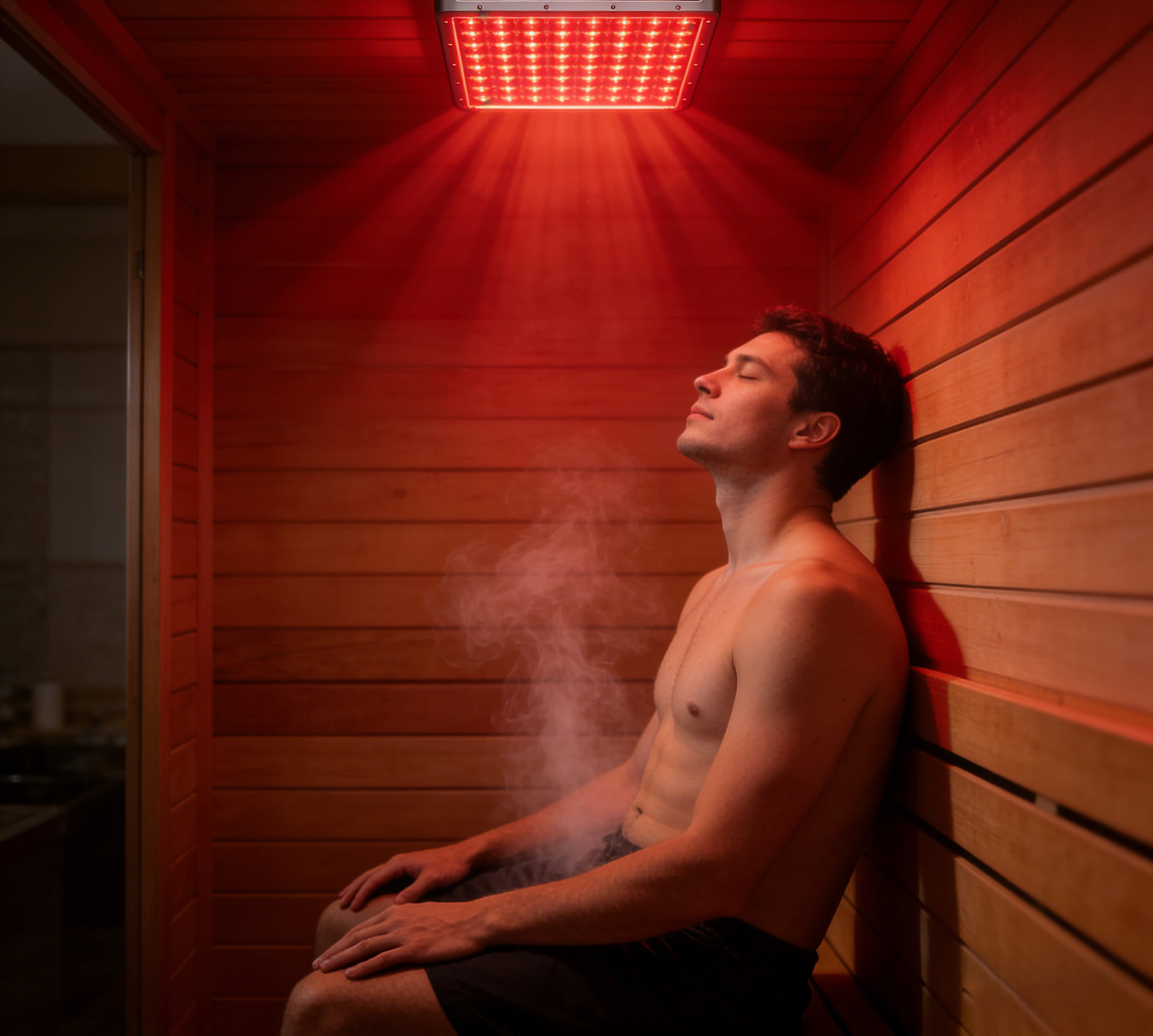
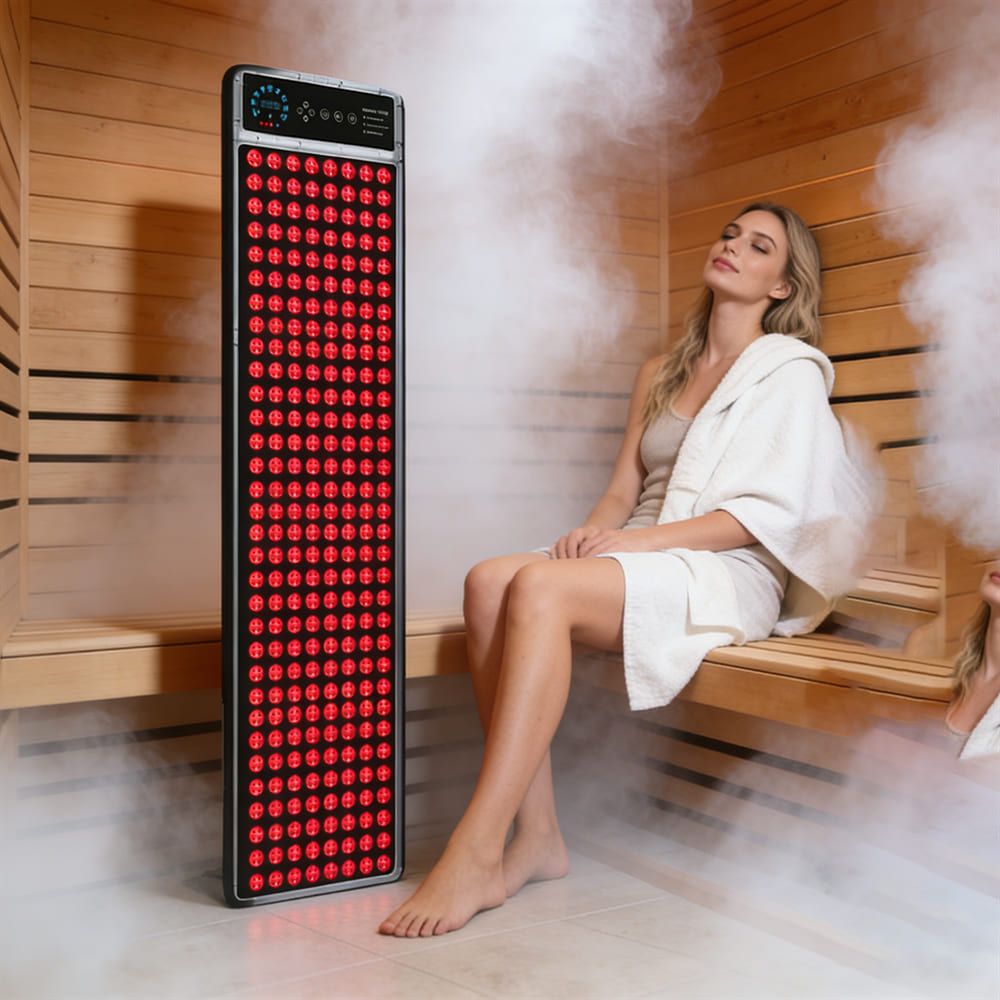
A red light therapy sauna panel is a standalone LED device built to sit inside a sauna and shine red and near-infrared light onto your skin during a session. It’s a separate technology from the sauna’s heating system.
Most panels use LEDs tuned to specific wavelengths, usually somewhere in the 630nm to 1060nm range. That’s different from the far-infrared heating elements that warm the cabin air and your body.
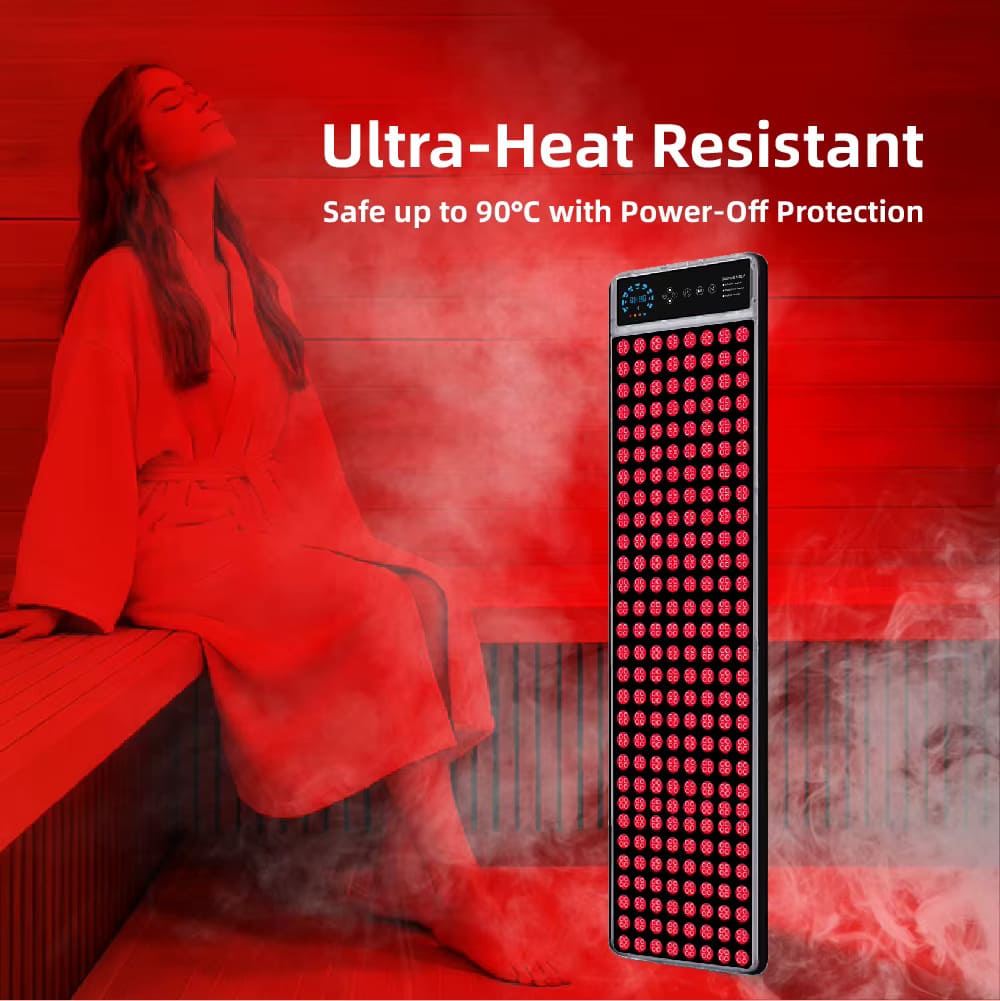
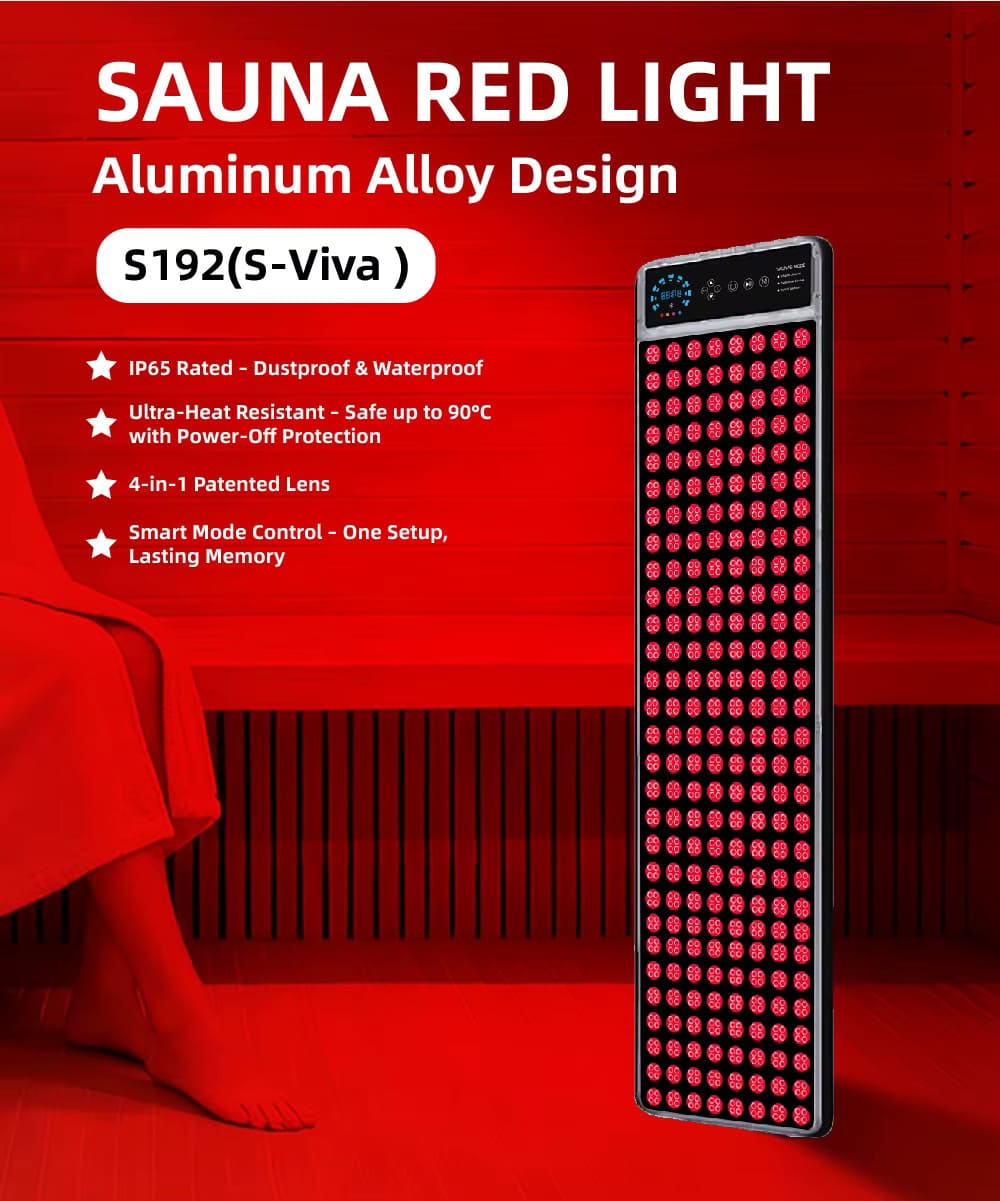
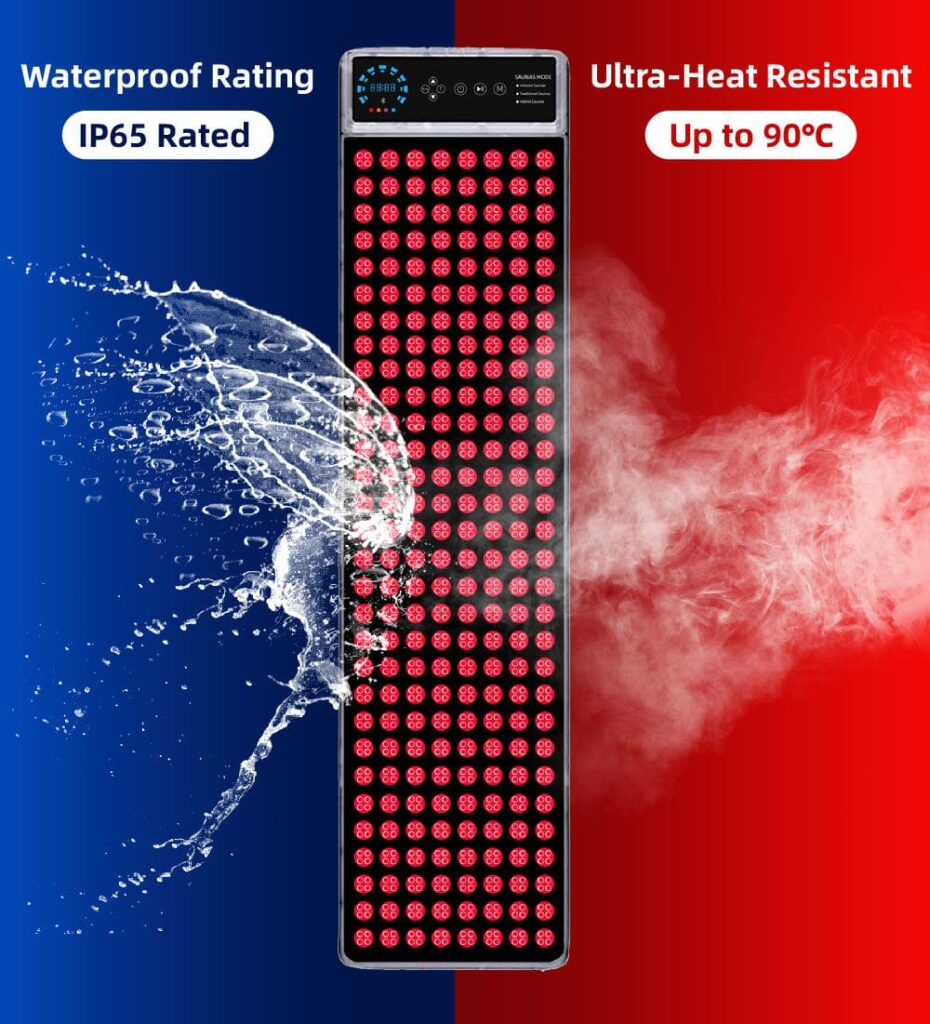
Because a sauna is hot and humid, not every red light panel belongs inside one. A panel made for a bedroom or home gym usually isn’t built to handle steam, sweat, or sustained heat. A true sauna red light therapy panel is sealed and rated for those conditions, which is worth checking before you buy.
How Does Red Light Therapy Work?
Red light therapy, sometimes called photobiomodulation, exposes skin and surface tissue to specific wavelengths of visible red and near-infrared light. Photobiomodulation uses red and near-infrared light to modulate mitochondrial activity, cellular signaling, and inflammatory pathways, supporting tissue repair and physiological recovery. News-Medical
Unlike a heat lamp, red light therapy panels are designed to work through light exposure rather than warming the skin. The light itself doesn’t produce meaningful heat; any warmth you feel in a sauna comes mostly from the sauna’s own heating system.
Research in this area is still developing. A recent systematic review found low-certainty evidence that photobiomodulation applied before exercise can reduce muscle soreness, which reflects where the science currently stands: promising in some areas, but not settled or universal. PubMed
The National Center for Complementary and Integrative Health is a good starting point if you want to read more about how light-based therapies are studied and what the evidence does and doesn’t support.
Red Light Therapy vs. Infrared Sauna Heat
People often mix up red light therapy and infrared sauna heat because both involve light on the electromagnetic spectrum. They work in very different ways, though.
| Feature | Infrared Sauna Heat | Red Light Therapy |
|---|---|---|
| Wavelength range | Roughly 5,600–15,000nm (far infrared) | Roughly 630–1060nm (red and near-infrared) |
| Main effect | Warms the air and body, produces sweat | Exposes skin to specific light wavelengths |
| Sensation | Noticeable heat | Little to no heat from the light itself |
| Purpose | Raises core and skin temperature | Targeted light exposure to skin and surface tissue |
A traditional or infrared sauna heats your body from the surrounding air or from panels built into the walls. A red light therapy panel, by contrast, delivers a concentrated beam of light at a specific spot, usually while you sit or stand facing it.
Some sauna manufacturers build red and near-infrared LEDs directly into the cabin walls alongside the heating elements. Others use a standalone panel like the LuxReda SA200 Sauna Red Light Therapy Panel that you position inside an existing sauna. Either approach combines the two technologies in one session, but they’re addressing different things.
Potential Benefits of Combining Sauna and Red Light Therapy
Many people build a sauna session into their weekly self-care routine simply because it feels good to slow down. Pairing that heat with red light exposure is a way some people try to make the time even more purposeful.
Here’s what the current research base generally points to, without overstating it:
- Skin appearance. Some studies on red and near-infrared light suggest a possible role in supporting collagen-related skin processes, though results vary by study design and wavelength.
- Muscle recovery and soreness. As noted above, research on photobiomodulation and post-exercise soreness shows modest, low-certainty benefits in some trials.
- Relaxation and circulation. Combining heat with a quiet, screen-free block of time is a straightforward way to support relaxation, separate from any specific effect of the light itself.
It’s worth being clear about what the evidence does not support. Claims like guaranteed weight loss, detoxification, or disease treatment go beyond what current research shows for combined sauna and red light sessions. Treat a red light therapy sauna panel as a wellness addition to your routine, not a medical treatment.
What Wavelengths Should You Look For?
Wavelength matters more than most other specs when comparing panels. Two ranges show up most often in red light therapy research and products:
- Red light (roughly 630–670nm): Associated with more surface-level skin exposure.
- Near-infrared light (roughly 810–1060nm): Associated with deeper tissue penetration.
A panel that only offers one narrow wavelength gives you fewer options than one covering both ranges. The LuxReda SA200, for example, offers eight selectable wavelengths between 630nm and 1060nm, which lets you choose a setting rather than being locked into a single fixed output.
Beyond wavelength, irradiance (how much light energy actually reaches your skin) and distance from the panel both affect your results. A panel with strong specs on paper can still underperform if you sit too far away or block the light with a towel.
What to Consider When Choosing a Red Light Therapy Sauna Panel
Not every “red light panel” on the market is actually built for sauna use. Before you buy, check these details.
Sauna-Rated Construction
Look for a water- and dust-resistance rating, commonly listed as an IP rating. A panel rated for indoor home-gym use may not hold up to sauna humidity and repeated heat cycling.
Wavelength Range and Adjustability
A panel with multiple selectable wavelengths, like the 630–1060nm range on the LuxReda SA200, gives you more flexibility than a single fixed wavelength.
Power and Dimming Control
Adjustable intensity lets you customize a session rather than committing to one fixed brightness every time. Check the maximum rated power and whether dimming is stepless or limited to a few presets.
Safety Features
Overheat protection is especially relevant for sauna use, since ambient heat is already elevated before the panel even turns on.
Control Options
Wireless remotes or app control mean you’re not reaching into a hot cabin to adjust settings mid-session.
Certifications
Look for recognized electrical and safety certifications appropriate for your country, since these confirm the device has been tested against standard safety benchmarks.
If you want to compare a sauna panel against other home red light therapy formats, LuxReda’s guide on red light therapy mats versus panels walks through the trade-offs between the two.
How to Use a Red Light Therapy Sauna Panel at Home
Using a sauna red light panel doesn’t need to be complicated. A simple, consistent routine tends to work better than an inconsistent one.
- Position the panel at a comfortable distance, following the manufacturer’s recommended range.
- Select your wavelength and intensity based on the session you’re going for.
- Sit or stand facing the panel for the recommended session length.
- Combine it with your normal sauna routine, whether that’s a short session or a longer one.
- Follow the manufacturer’s instructions for maximum session times and safe operating conditions.
Building this into a broader self-care habit, like a set evening or weekend block where you unplug for twenty minutes, tends to matter as much as the panel itself. Consistency, not intensity, is usually what people notice most over time.
Is a Red Light Therapy Sauna Panel Right for You?
A red light therapy sauna panel makes the most sense for people who already use a sauna regularly and want to add a light-based element to that existing routine. It’s a smaller investment than buying a sauna with built-in red light, and it can move between sauna sessions and other uses if the panel is portable.
It may not be the right fit if you’re looking for a device with strong, well-established clinical backing for a specific condition. Talk with a healthcare provider first if you’re pregnant, have a photosensitivity condition, are on medication that increases light sensitivity, or have a chronic health condition, since sauna heat and light exposure both carry considerations worth discussing individually.
Why Consider the LuxReda Full Spectrum Red Light Therapy Sauna Panel?
If you’re shopping for a standalone panel built specifically for sauna environments, the LuxReda SA200 Sauna Red Light Therapy Panel is designed around that use case rather than adapted from an indoor-only device.
Based on its published specifications, the SA200 includes:
- 200 LEDs across eight selectable wavelengths (630nm, 650nm, 660nm, 670nm, 810nm, 830nm, 850nm, and 1060nm)
- IP65 water and dust resistance, rated for dry saunas up to 65°C with humidity at or below 20%, and steam rooms up to 50°C with humidity at or below 80%
- 1–100% adjustable dimming for customizable intensity
- Built-in overheat protection
- App and 2.4G wireless remote control
- 100–240V AC universal input, with a US-compatible plug option
- 3-year warranty
The panel measures approximately 21.3 x 11.8 x 2.7 inches and stands in a freestanding format, which makes it practical for a home sauna, steam room, or dedicated wellness space. If you’d rather explore other home red light therapy formats, LuxReda’s broader red light therapy devices collection includes full-body mats and other options for use outside a sauna.
FAQs
No. Infrared sauna heat uses far-infrared wavelengths to warm your body and produce sweat. Red light therapy uses shorter red and near-infrared wavelengths at much lower power, and it isn’t primarily a heating technology.
In most cases, yes, as long as the panel is rated to handle your sauna’s heat and humidity levels. Check the manufacturer’s temperature and humidity specifications before installing one in a wet or steam sauna.
This varies by device and manufacturer guidance. Always follow the specific instructions that come with your panel rather than a generic timeframe.
No. They’re separate mechanisms working through different pathways, so one doesn’t substitute for the other. Many people use both together rather than choosing one over the other.
Manufacturer guidance varies by device and wavelength. Check your specific panel’s instructions, and speak with a healthcare provider if you have a medical condition or take medication that affects light sensitivity.
Final Thoughts
Choosing a red light therapy sauna panel comes down to matching the wavelengths, build quality, and controls to how you actually plan to use it. There’s no need to overcomplicate it: check the specs, confirm it’s rated for your sauna type, and build it into a routine you’ll actually stick with.
Whatever you decide, take the time you already spend in the sauna and make it count. Small, consistent wellness habits, whether that’s ten quiet minutes with a good playlist or a weekly reset before the week starts, tend to add up more than any single device ever could. Take care of yourself, stay consistent, and let your sauna time be one small part of a routine that genuinely fits your life.
Thank you