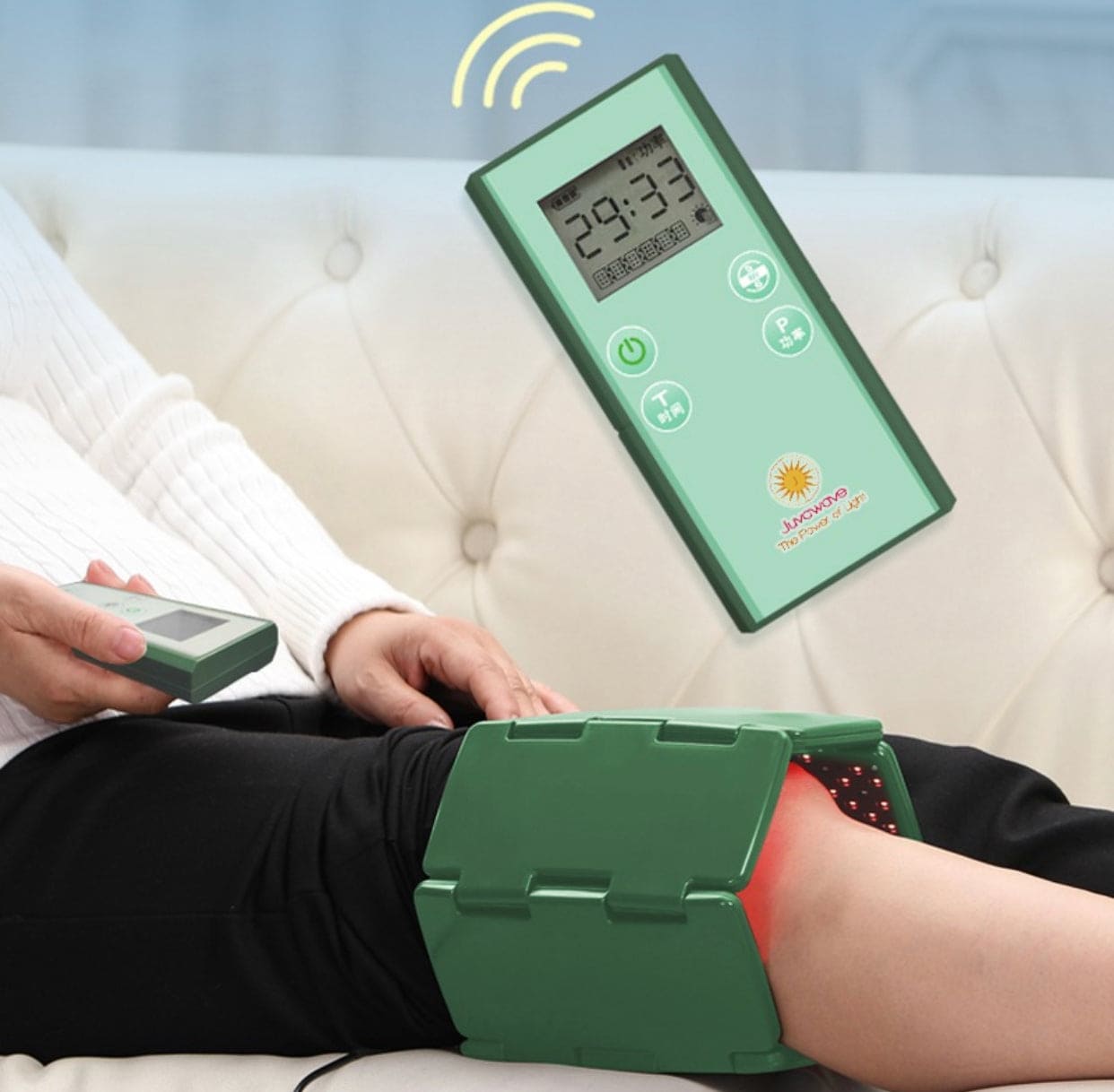
Taking care of a sore back or achy shoulders shouldn’t feel like a full-time job. Many people are looking for simple, non-drug ways to fit a little relief into their everyday routine, and that search often leads to cold laser therapy for pain.
This guide breaks down what cold laser therapy actually is, how low-level laser therapy (LLLT) works in the body, and what current research says about it. We’ll also look at how people use these devices at home, including options like the LuxReda™ Foldable Cold Laser Therapy Pain Relief Belt, so you can make an informed decision.
What Is Cold Laser Therapy?
Cold laser therapy is a light-based treatment that uses low-power lasers or LEDs instead of heat or surgery. Clinicians and researchers also call it low-level laser therapy, or LLLT, and sometimes photobiomodulation therapy.
The word “cold” simply means the laser doesn’t generate the heat associated with surgical or cutting lasers. It won’t burn or cut tissue. Instead, it delivers light energy at specific wavelengths, usually in the red and near-infrared range, to the skin’s surface.
Physical therapists, chiropractors, and sports medicine clinics have used cold laser therapy for years to support recovery from muscle strain, joint discomfort, and other everyday aches. More recently, smaller wearable devices have made a home version of this approach possible.
How Does Low-Level Laser Therapy Work?
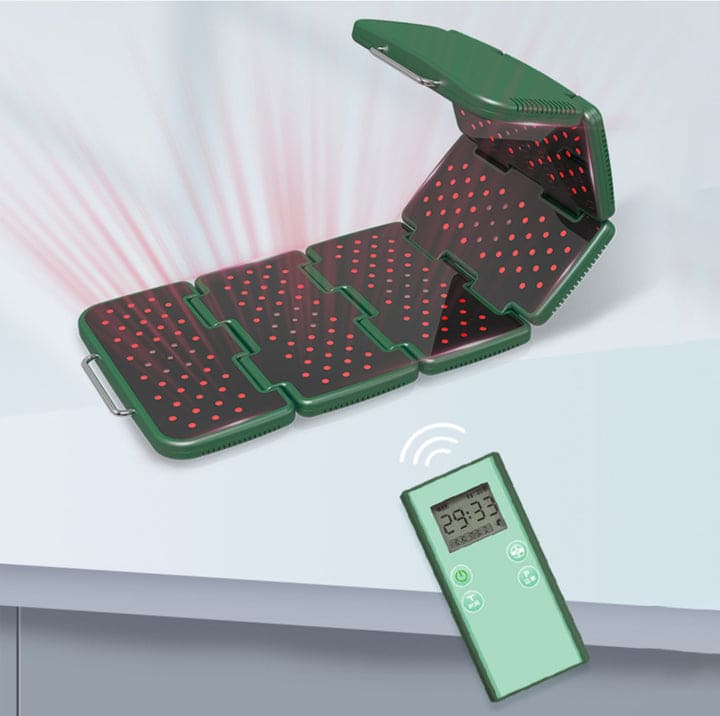
LLLT works by directing red or near-infrared light onto the skin. This light penetrates a short distance into the tissue below, where it’s absorbed by cells.
Researchers believe the light interacts with mitochondria, the part of the cell responsible for producing energy. This process, called photobiomodulation, is thought to influence cellular activity related to circulation and inflammation.
It’s worth being clear here: the exact mechanisms are still being studied, and outcomes vary by condition, dose, and device. LLLT isn’t a guaranteed fix, and it works differently for different people.
Wavelengths Commonly Used in Laser Therapy Devices
Most cold laser and LLLT devices use light somewhere in the 600 to 1000 nanometer range. Red light sits toward the shorter end of that range, while near-infrared light reaches slightly deeper into tissue. Manufacturers choose specific wavelengths based on how deep they want the light to travel and what area of the body the device targets.
Cold Laser Therapy vs. Traditional Laser Treatment
Traditional surgical or “hot” lasers use high-intensity light to cut, cauterize, or ablate tissue. Cold laser therapy uses a fraction of that power, so it doesn’t cut or burn anything.
Here’s a simple comparison:
| Feature | Cold Laser Therapy (LLLT) | Surgical/Hot Laser |
|---|---|---|
| Power output | Low | High |
| Heat generated | Minimal to none | Significant |
| Tissue effect | Non-ablative, stimulates cells | Cuts or destroys tissue |
| Common use | Pain management, recovery support | Surgery, tissue removal |
| Setting | Clinic or home | Operating room or medical office |
This distinction matters because it explains why cold laser therapy for pain is generally considered a gentle, non-invasive option rather than a medical procedure that requires surgical training.
What Does Research Say About Cold Laser Therapy for Pain?
This is the part most people actually want answered, so let’s get into it directly.
A widely cited meta-analysis in the European Journal of Physical and Rehabilitation Medicine reviewed 18 studies covering more than 1,400 participants with musculoskeletal disorders. The researchers found that LLLT was associated with a meaningful reduction in pain compared with control treatments, and the effect appeared stronger when treatment followed dosing guidelines set by the World Association of Laser Therapy. You can read the full meta-analysis on PubMed.
A separate systematic review focused specifically on chronic low back pain, published in Arthritis Research & Therapy, also reported a positive effect of LLLT compared with placebo treatment in that population, based on randomized controlled trials.
That said, researchers consistently point out a few limitations:
- Study quality and design vary widely across the research.
- Laser wavelength, dose, and treatment duration differ from study to study, making direct comparisons difficult.
- Results aren’t uniform across every type of pain or every device.
In short, there’s genuine scientific interest and some encouraging findings, but LLLT isn’t a one-size-fits-all solution backed by uniform, high-quality evidence for every condition. If you have a diagnosed medical condition or persistent pain, talk with a doctor or physical therapist before relying on any at-home device.
Potential Benefits of Cold Laser Therapy
Based on the available research and how the therapy is commonly used, people typically turn to cold laser therapy for:
- Non-invasive pain management without needles, incisions, or medication.
- Convenience, since many devices are small enough to use at home or while traveling.
- A drug-free addition to an existing pain management or recovery routine.
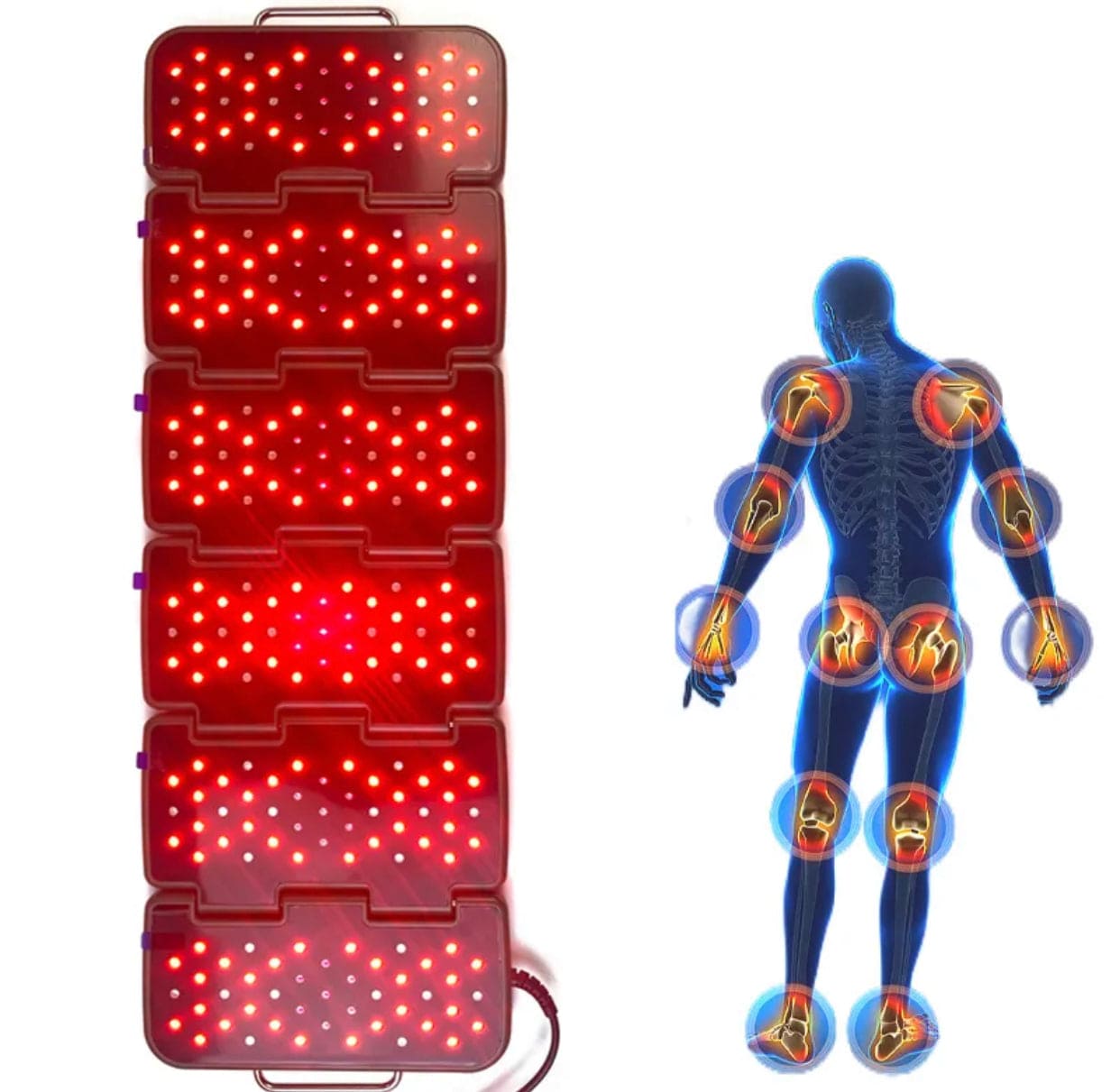
- Targeted application, since light can be directed at a specific area like the lower back or a single joint.
None of this means cold laser therapy replaces medical treatment. It’s best understood as one possible tool among several for managing everyday discomfort, alongside things like stretching, physical therapy, and rest.
Cold Laser Therapy for Back, Muscle and Joint Discomfort
Back pain is one of the most common reasons people search for laser therapy for pain relief, and it’s also one of the more studied applications of LLLT.
Cold Laser Treatment for Back Pain
Chronic low back pain is frustrating because it often doesn’t have one clear cause. Some people find that adding a light-based therapy to their routine, alongside movement and posture changes, feels like a useful piece of the puzzle rather than a standalone cure.
Laser Therapy for Muscle Pain
After a long workout or a physically demanding day, muscles can feel tight and sore. Some people use laser therapy for muscle pain as part of a broader recovery routine that also includes hydration, stretching, and adequate sleep.
Joint Discomfort
Stiff or achy joints, especially in the knees, shoulders, and hips, are another common target area. Because LLLT devices don’t generate heat, they can be used on sensitive areas without the burning risk associated with some heat therapies.
Building small, consistent habits like this into your week, alongside movement and good sleep, is often what actually makes a wellness routine sustainable over time.
Can You Use Cold Laser Therapy at Home?
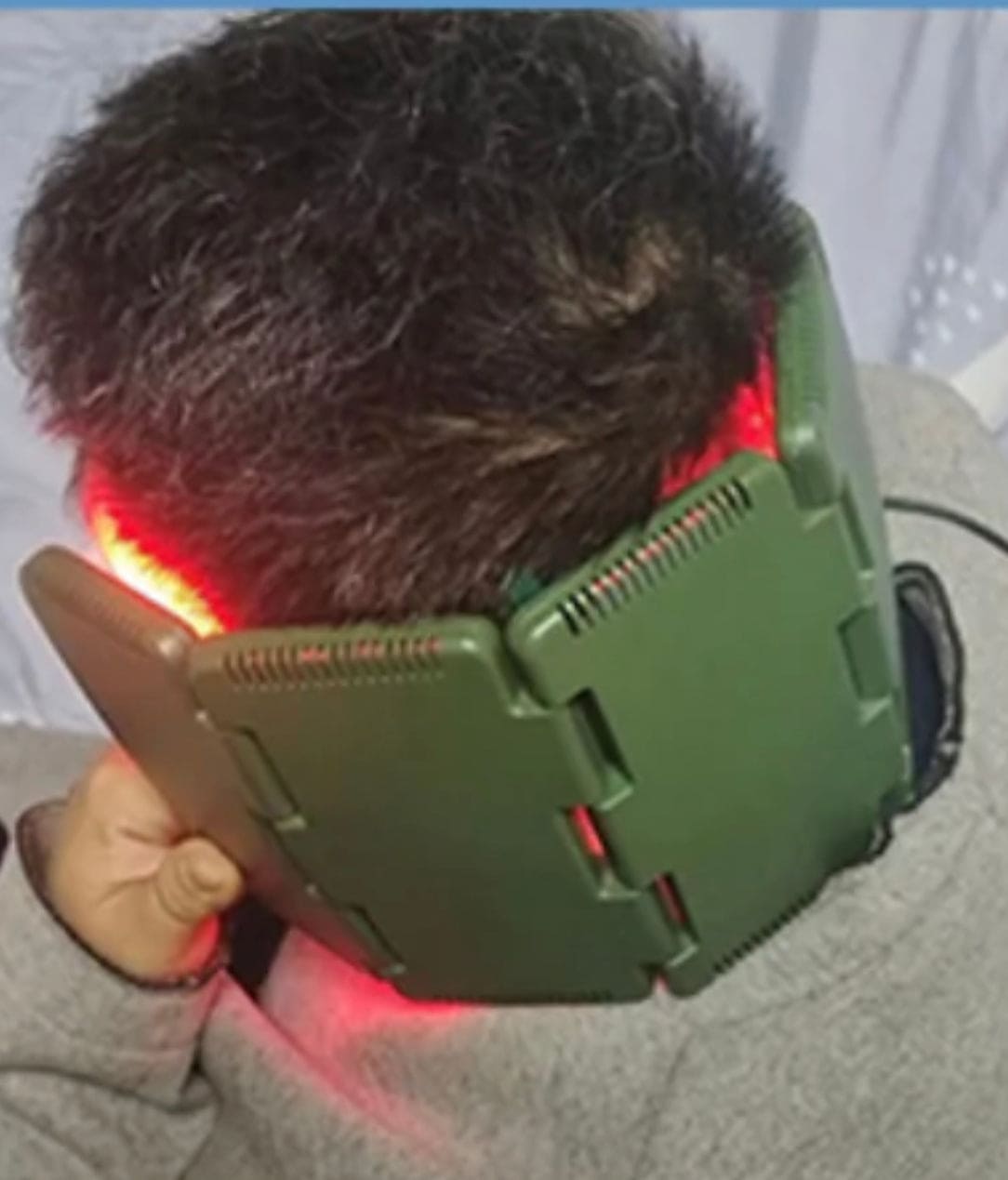
Yes. Home laser therapy for pain has become more accessible as manufacturers have shrunk clinical-style devices into wearable, consumer-friendly formats.
Home devices are generally lower-powered than the equipment used in a physical therapy clinic. That’s part of what makes them appropriate for personal, at-home use without professional supervision, though it also means results may look different from a clinical setting.
Before starting any at-home laser therapy device, it helps to:
- Read the manufacturer’s instructions completely, including session length and frequency.
- Check for any contraindications, such as pregnancy, certain skin conditions, or photosensitizing medications.
- Talk with a healthcare provider if you have a chronic condition, a pacemaker, or any concerns about laser or light-based treatments.
What to Look for in a Home Laser Therapy Device
Not all wearable pain relief devices are built the same way. When comparing options, consider:
- Wavelength range – look for devices that clearly state red and/or near-infrared wavelengths.
- Wearable design – a flexible, adjustable belt is easier to use hands-free than a rigid handheld unit.
- Session timer – built-in timers help you stay consistent with recommended session lengths.
- Portability – foldable or compact designs travel more easily.
- Clear instructions – reputable brands provide usage guidelines rather than vague marketing claims.
Comparing a few laser therapy devices side by side before buying can help you find one that actually fits your daily routine instead of sitting in a drawer.
LuxReda™ Foldable Cold Laser Therapy Pain Relief Belt
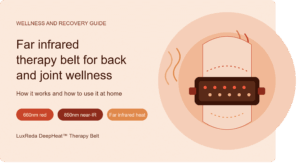
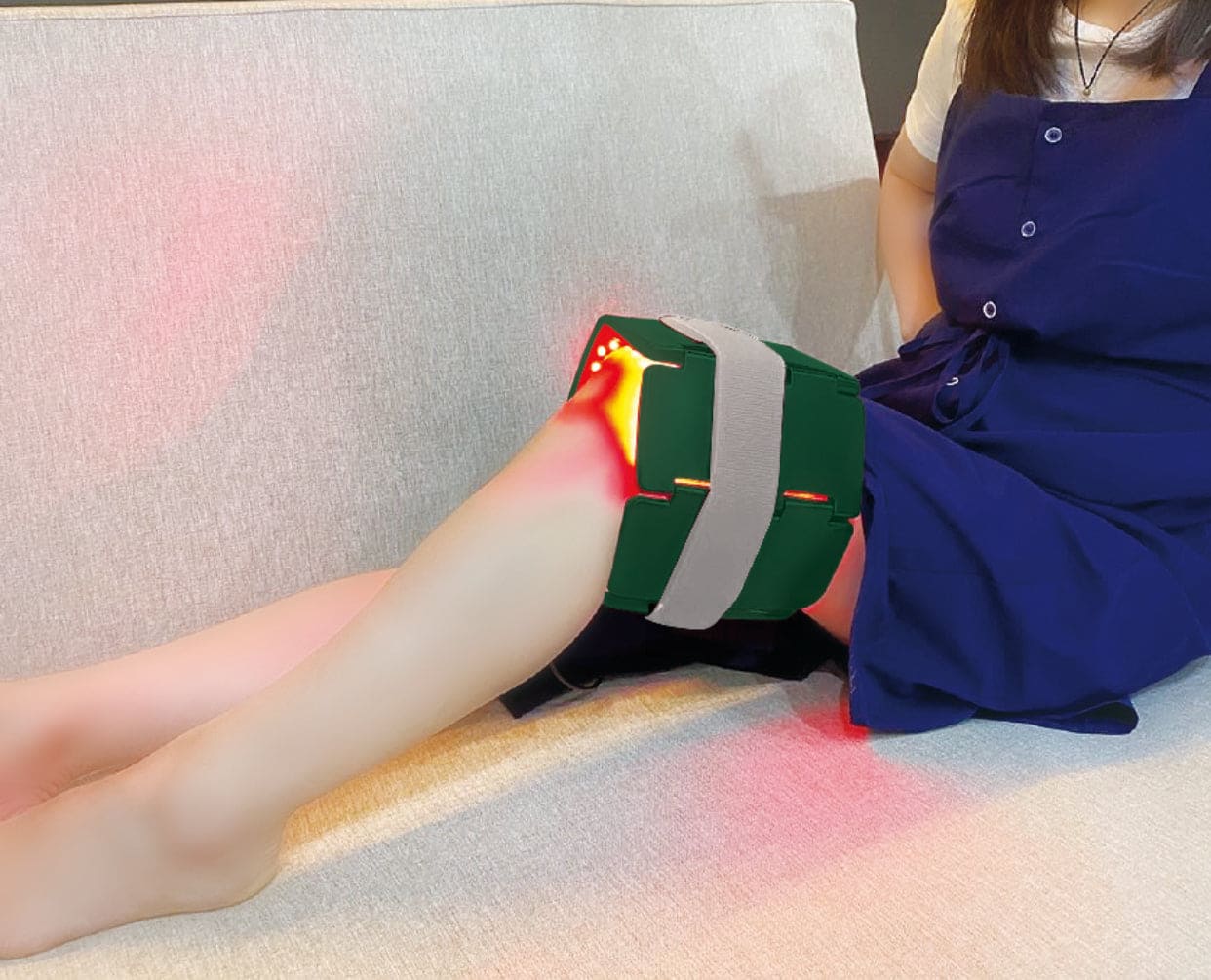
The LuxReda™ Foldable Cold Laser Therapy Pain Relief Belt is designed as a wearable, hands-free option for people who want to add laser therapy to their daily routine without visiting a clinic.
Its foldable, flexible design allows it to wrap around areas like the back, waist, shoulders, or legs, so you can use it while sitting, resting, or moving around the house. As with any home laser therapy device, it’s meant to be used according to the included instructions rather than as a substitute for medical care.
If you’re weighing your options, it’s worth exploring LuxReda’s full range of laser therapy devices to see which format best matches the areas you want to target.
How to Use a Wearable Laser Therapy Belt
Using a laser therapy belt is straightforward, but a few habits make the experience more comfortable and consistent:
- Clean and dry the skin before each session so the light can reach the treatment area effectively.
- Position the belt securely over the area you want to target, following the fit guidance in the manual.
- Select the recommended session length rather than guessing, since more time isn’t automatically better.
- Stay consistent with your sessions rather than using the device only once and expecting lasting change.
- Pair it with healthy habits, like gentle stretching or short walks, so the belt supports a broader wellness routine instead of standing in for one.
A lot of people find that pairing a short laser therapy session with quiet downtime, like reading or winding down before bed, makes it easier to stick with over the long run.
Frequently Asked Questions
They overlap. Cold laser therapy typically refers to LLLT devices using laser diodes, while red light therapy often uses LED panels. Both fall under the broader umbrella of photobiomodulation and use similar wavelengths.
This varies by person and by condition, and research doesn’t point to one universal timeline. Some people use these devices consistently over several weeks as part of a broader pain management routine.
Most home devices are designed for regular use following the manufacturer’s recommended session length and frequency. Always follow the specific instructions that come with your device, and check with a healthcare provider if you have a medical condition.
No. It’s generally used as a complementary approach alongside, not instead of, guidance from a healthcare provider, especially for diagnosed or chronic conditions.
People who are pregnant, have certain skin conditions, take photosensitizing medication, or have an implanted device like a pacemaker should check with a doctor before use. Manufacturer instructions typically list specific contraindications.
Final Thoughts
Cold laser therapy for pain sits in an interesting spot: there’s real, peer-reviewed research behind it, but the evidence still varies depending on the condition, the device, and how consistently it’s used. That combination of promise and nuance is exactly why it’s worth understanding before you buy anything.
If you’re curious about adding light-based therapy to your routine, start by learning how your body responds to rest, movement, and small daily habits, then decide whether a wearable device like the LuxReda™ Foldable Cold Laser Therapy Pain Relief Belt fits naturally into that picture.
Taking care of yourself doesn’t have to be complicated. A few consistent, comfortable habits, whether that’s a short laser therapy session, a stretch break, or just a few extra minutes of rest, can add up over time.