Most of us want routines that help us feel rested, active, and comfortable in our own skin. Light therapy has found a place in that conversation. It also raises a fair question: what do the two wavelengths on the label actually do?
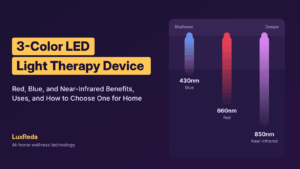
Here is the short answer. Red light at 660nm is a visible wavelength that works mostly near the skin’s surface. Near-infrared light at 850nm is invisible and generally travels deeper. A full body red light therapy pod combines both, so one session covers your whole body. This guide explains how each wavelength works, how a pod differs from panels and mats, and what to check before buying.

What Is Photobiomodulation?
Photobiomodulation (PBM) is the research term behind most red light therapy talk. It describes using low-level red or near-infrared light to influence how cells behave. Researchers describe PBM as light at low power densities. Cytochrome c oxidase, an enzyme in the mitochondria, is one of its main proposed targets.
Many studies look at wavelengths between about 600 and 1100 nm. Within that range, reviews note that red and near-infrared light penetrate tissue well because tissue scatters and absorbs them less.
Research on this topic is still developing. Study results depend on the wavelength, the dose, the body area, and the person. A device cannot promise a specific outcome, and this article will not either.
660nm Red Light: Surface-Level Focus
The 660nm wavelength sits in the visible red range. You can see it as a deep red glow. Because it does not travel as far into tissue, people usually associate it with the skin.
LuxReda’s product page positions 660nm red light for skin wellness. That makes it relevant if your routine centers on how your skin looks and feels.
Where 660nm usually fits:
- Skin-focused wellness routines
- Evening wind-down sessions
- Anyone who wants a visible light cue that the device is running
850nm Near-Infrared Light: Deeper Coverage
You cannot see 850nm light. Some devices produce a gentle warmth at this wavelength, but many do not. A lack of visible glow does not mean the device is off.
In general, near-infrared light reaches deeper than red light. That is why recovery-focused routines often rely on it. LuxReda’s page positions 850nm light for muscle recovery and circulation support. Treat those as wellness applications, not treatment claims.
660nm vs. 850nm at a Glance
| Feature | 660nm Red Light | 850nm Near-Infrared |
|---|---|---|
| Visible to the eye | Yes, deep red | No |
| Typical depth | Closer to the surface | Generally deeper |
| Common wellness focus | Skin wellness | Recovery, circulation support |
| Often used for | Skin-focused routines | Post-workout routines |
Neither wavelength is “better.” They do different jobs, and many people want both. Dual-wavelength devices exist for that reason.
One more detail matters when you shop. A Hamblin review notes that results in the 700–770 nm gap between red and near-infrared are likely to be disappointing. A device that pairs 660nm and 850nm avoids that gap.
Why Choose a Full Body Red Light Therapy Pod?
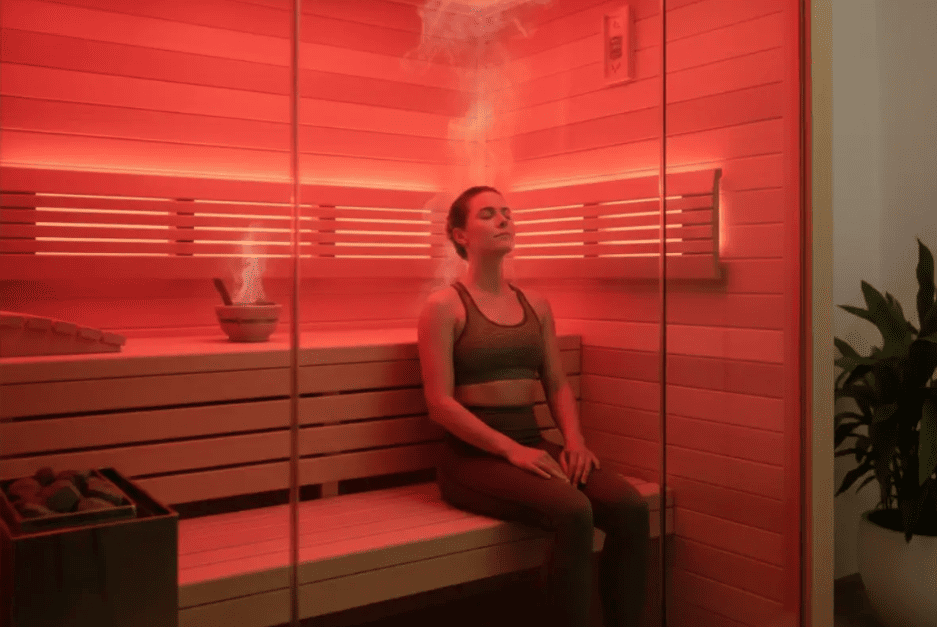
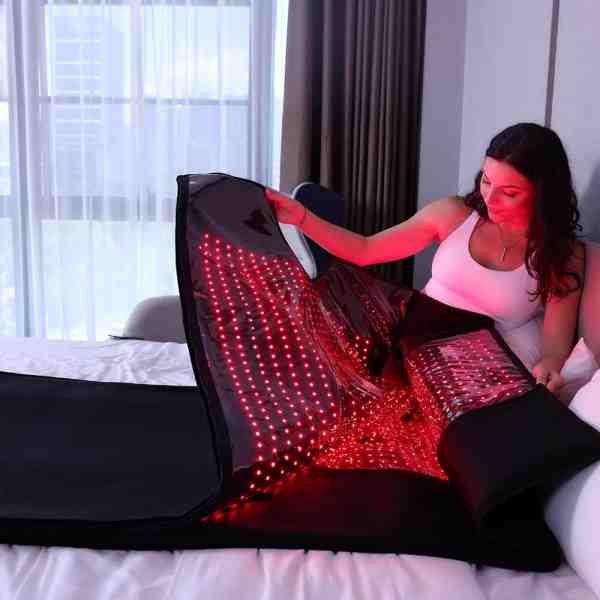
A pod uses one enclosed design to deliver light across the whole body. LuxReda describes the RedLux™ Full Body Therapy Pod as built for head-to-toe coverage in one session. Other formats can work well, but they cover the body differently.
Pod vs. Panel vs. Mat
| Format | Coverage | Best for | Main trade-off |
|---|---|---|---|
| Pod | Whole body in one session | Full-body routines, shared or professional spaces | Needs more floor space |
| Panel | One area at a time | Targeted sessions | You reposition during the session |
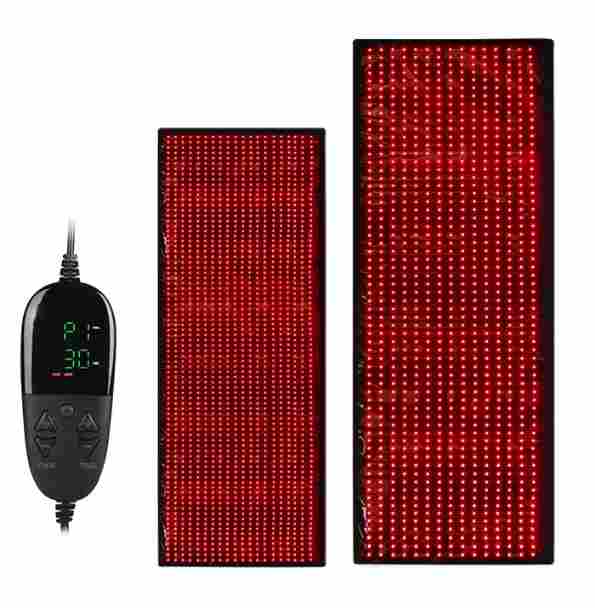
| Mat or blanket | Body in contact with the surface | Lying-down sessions, smaller spaces | Covers the body differently |
Readers who want a deeper look at the mat route can read LuxReda’s 660nm vs. 850nm red light therapy mat guide. It uses a different product format, so it complements this article.
Who a Pod Suits Best
A pod makes the most sense in these situations:
- You want whole-body sessions without repositioning.
- You have a dedicated room, studio, or wellness space.
- Several people will use the same equipment.
- You prefer a “get in, relax, finish” routine.
A pod may not fit if you have limited space or only want to focus on one area. For those readers, a panel or mat is often more practical.
How a Pod Fits Into Everyday Recovery and Skin Care
Consistency tends to matter more than intensity in any wellness habit. A pod helps with that because there is less setup. You do not need to move panels around or plan which body area comes next.
After Exercise
Many active people add light therapy to their cool-down. A pod fits that rhythm well. You finish a workout, hydrate, and spend a few minutes relaxing in the session.
Keep expectations realistic. Light therapy is one piece of recovery. Sleep, food, hydration, and rest days still do the heavy lifting.
For Skin Wellness
Skin routines work best when they are simple and repeatable. Red light sessions can sit alongside sunscreen, moisturizer, and other habits you already trust. Think of the pod as one more step, not a replacement for any of them.
For Relaxation
Some people use light therapy as a quiet break from screens and noise. Lying still for a few minutes can feel like a small reset. Many people value that part as much as any measurable result.
What the LuxReda RedLux™ Pod Offers
Here is what LuxReda’s RedLux™ Full Body Therapy Pod page lists:
- 660nm red light and 850nm near-infrared light
- Full-body coverage
- A patent-protected ergonomic pod design
- A high-performance LED system
- Full body session mode
- Low power consumption
- Home and professional use
The page does not list irradiance, LED count, dimensions, power draw, or certifications. If those details matter to you, ask LuxReda before buying. A good seller answers those questions clearly.
You can compare the pod with other formats in LuxReda’s red light therapy device collection.
Questions to Ask Before You Buy Any Pod
Use this checklist with any brand, including LuxReda.
- What wavelengths does it use? Confirm 660nm and 850nm are both listed.
- Can the seller share output data? Look for irradiance numbers and how they were measured.
- What certifications apply? Ask which ones, and ask to see documentation.
- How much space does it need? Measure your room and the doorway.
- What are the eye safety instructions? Read the manual before your first session.
- What does the warranty cover? Get the terms in writing.
- Who will use it? Home use and shared professional use have different needs.
LuxReda’s full body red light therapy pod buyer’s guide covers these decisions in more depth.
Safety and Common Sense
Light therapy is a wellness tool, not a medical treatment. Keep these points in mind:
- Follow the manufacturer’s instructions for session length and eye protection.
- Start with shorter sessions and watch how your body responds.
- Talk with your doctor first if you are pregnant, take medications that affect light sensitivity, or have a skin condition.
- Stop and seek advice if something feels wrong.
The FDA regulates many light-based devices as medical devices. Its Division of Industry and Consumer Education answers questions about device rules, labeling, and clearance. Ask any seller exactly what a clearance covers, because it applies only to a specific intended use.
For first-session guidance, see LuxReda’s how to use a red light therapy pod article.
Frequently Asked Questions
660nm is visible red light that mainly works near the skin’s surface. 850nm is invisible near-infrared light that generally travels deeper. Many devices combine both for wider coverage.
It depends on your space, budget, and routine. A pod suits people who want whole-body sessions in one go. If you only want to target one area, a panel may be enough.
A pod surrounds the body with light, while a mat delivers light from beneath or around you as you lie on it. A pod usually needs more room. A mat is easier to store.
Researchers study red and near-infrared light in relation to recovery, but results vary. Treat it as a supportive habit alongside sleep, nutrition, and rest.
No. 850nm light is invisible. You may feel gentle warmth, or you may feel nothing at all.
Follow the manufacturer’s guidance. Start conservatively, stay consistent, and talk with a healthcare professional if you have health concerns.
LuxReda lists the RedLux™ Pod for home and professional use. Confirm local requirements for your business separately.
Final Thoughts
660nm red light and 850nm near-infrared light each play a different role. A full body red light therapy pod brings both together in one session, which suits people who value simplicity and full coverage. Choose based on your space, your goals, and clear answers from the seller.
If the pod format fits your routine, explore the LuxReda RedLux™ Full Body Therapy Pod and compare it with your other options.
Wellness works best when it feels easy. Pick habits you enjoy, give yourself a few quiet minutes each day, and be kind to your body along the way.
Thank you