Most red light therapy devices sold today produce visible light — not therapeutic irradiance — and that distinction is costing consumers hundreds of dollars for zero measurable benefit.
The 2026 home wellness market is flooded with LED face masks, handheld wands, and compact panels that glow a satisfying shade of red. They look clinical. The marketing copy cites studies. But the light they emit often falls well below the energy densities required to trigger any meaningful biological response in tissue. Buying one of these devices can feel like purchasing a tanning lamp and expecting it to heal a sprained ankle.
Energy density — measured in joules per square centimeter (J/cm²) — is the number that actually determines whether a session produces results. Clinical research on photobiomodulation shows that effective energy densities range from 2.4 to 126 J/cm² depending on the target condition. A low-powered consumer wand sitting six inches from your cheek may deliver a fraction of the minimum threshold, regardless of how many LEDs are packed onto its surface. LED count is a marketing metric; irradiance at a given treatment distance is the performance metric.
This matters because the market has optimized for aesthetics over output. Manufacturers compete on price, form factor, and packaging — not on the power density specifications that determine clinical utility. And most product listings bury or omit irradiance data entirely, making direct comparison nearly impossible for the average buyer.
Understanding why these devices underperform starts with the science of wavelength — specifically, why the spectrum of light a device emits is every bit as critical as its power output.
The Wavelength Spectrum: Why 630-660nm is the Gold Standard
Not all red light is therapeutic light — the difference between a device that produces measurable biological change and one that simply glows comes down to nanometers.
The therapeutic window refers to the narrow band of light frequencies that human tissue can actually absorb and convert into cellular energy. Below or above that window, photons either scatter at the skin surface or fail to penetrate tissue at a meaningful depth. Research confirms that effective wavelengths for surface-level skin benefits are strictly defined between 630–660 nm — a range precise enough that small deviations can render an LED panel clinically ineffective.
Within that window, each wavelength carries a distinct biological role:
- 630 nm — targets the skin’s outermost layers, stimulating fibroblast activity and supporting collagen synthesis for wrinkle reduction
- 660 nm — penetrates slightly deeper into the dermis, optimizing ATP production in skin cells and accelerating tissue repair
- Near-Infrared (NIR) at 830–850 nm — reaches muscle tissue and joints, making it the key frequency for pain relief and post-workout muscle recovery
Off-spectrum LEDs are where budget manufacturers cut corners. A portable red light therapy device sold at a low price point often uses LEDs centered around 620 nm or even lower — wavelengths that produce visible red light without triggering the mitochondrial response. You can identify these devices by checking whether the manufacturer publishes spectral output data. If the product listing only mentions “red light” without a specific nanometer value, that absence is itself a red flag.
True therapeutic devices will always publish exact wavelength specifications — if a brand cannot provide that number, assume the light is decorative, not clinical.
Understanding wavelength precision is only one part of the equation. Even a perfectly calibrated 660 nm device can fail to deliver results depending on how far you hold it from your skin — and that is exactly where the next critical variable comes in.
Irradiance vs. Portability: The Trade-off You Can’t Ignore
The format of a red light therapy device determines its therapeutic ceiling — and choosing the wrong form factor for your goals is one of the most common and costly mistakes consumers make.
Understanding why starts with basic physics. Light intensity drops off sharply as distance increases, following the inverse square law: double your distance from an LED panel, and you receive roughly one-quarter of the irradiance. In practice, this means a handheld wand held six inches away delivers a fundamentally different dose than a full-panel system positioned at the same distance. Clinical trials have documented treatment fluences ranging from as low as 0.1 J/cm² to as high as 126 J/cm², a variance so wide it illustrates exactly why output and application distance cannot be treated as afterthoughts.
| Device Type | Best For | Power Level |
|---|---|---|
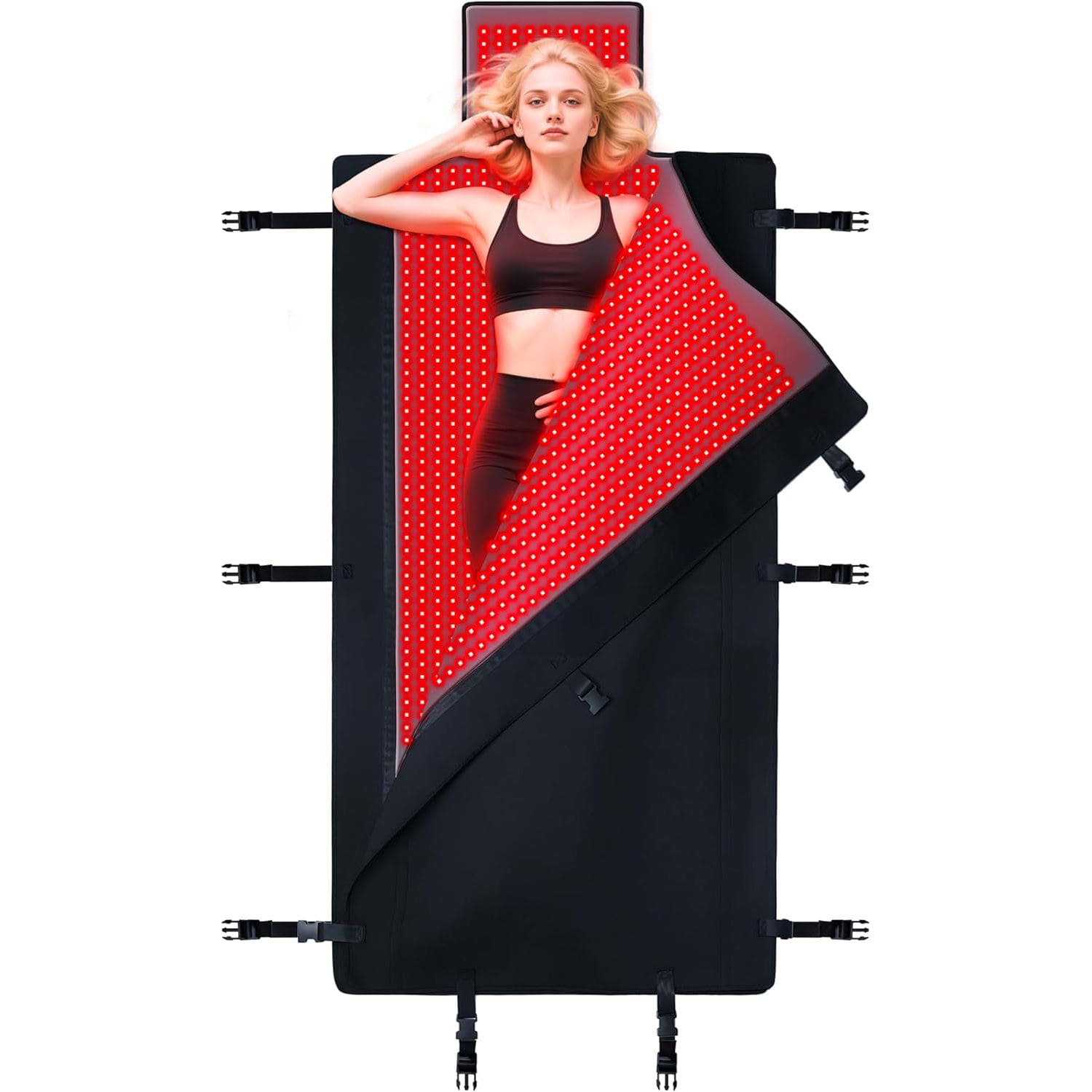
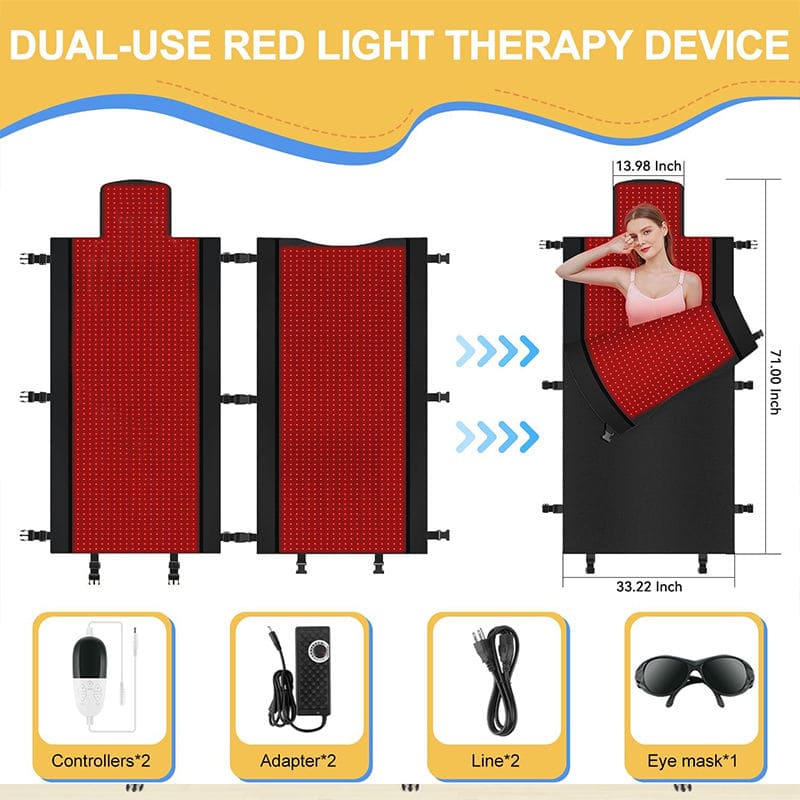
| Full-body panel | Chronic pain, weight management, muscle recovery | High output (clinical-grade) |
| Targeted handheld | Spot treatment, localized inflammation | Moderate output |
| High-end LED mask | Anti-aging, skin texture, collagen stimulation | Moderate, precision-focused |
Portable devices serve a real purpose, but their physical constraints limit what they can achieve at tissue depth. Reputable brands building panels for chronic pain and metabolic support prioritize high-output LEDs precisely because reaching subcutaneous fat and deep muscle tissue requires irradiance levels that compact devices simply cannot sustain across a meaningful treatment area.
Where a dedicated red light therapy device for face applications earns its place is in targeted anti-aging protocols. High-end masks maintain consistent, calibrated proximity across the entire facial surface — something a handheld cannot replicate — making them the more effective tool for stimulating collagen at the dermal layer. Choosing the right form factor is foundational, but it is only half the equation. How well a device is built to sustain that output over time is what separates a reputable product from an expensive disappointment — and that comes down to construction quality.
Evaluating Build Quality: What Makes a Device ‘Reputable’?
The difference between a red light therapy device for home use that delivers clinical results and one that collects dust comes down to build quality metrics most buyers never think to check.
Flicker rate and EMF shielding are two of the most overlooked specifications in the consumer market. High flicker rates — anything above 3,000 Hz — can trigger subtle neurological stress responses with repeated exposure, while inadequate EMF shielding means the device may introduce low-frequency electromagnetic fields at close range. Neither issue appears on a product thumbnail. But both matter when you are sitting within inches of a panel for 10 to 20 minutes daily.
Cooling systems deserve equal scrutiny. High-output LEDs generate significant heat, and without an effective thermal management system — typically aluminum heat sinks paired with internal fans — the LED chips degrade faster, irradiance drops over time, and your investment depreciates quietly. A device that runs hot is not just less effective; it is less safe.
Warranty terms and FDA clearance are the non-negotiables for 2026. FDA clearance signals that a manufacturer has submitted clinical evidence to support safety claims — a bar that many imported, budget devices do not clear. A minimum two-year warranty reflects manufacturer confidence in component longevity. Patient-reported skin improvement rates reach as high as 90% when using correctly calibrated, medical-grade light therapy, according to the American Academy of Dermatology — a figure that underscores how much calibration and build integrity matter.
What to look for before you buy:
- FDA clearance or 510(k) documentation on the manufacturer’s site
- Flicker rate disclosed in technical specifications
- EMF shielding confirmed via independent third-party testing
- Active cooling with aluminum heat dissipation
- Warranty of at least two years with responsive support
That combination of clinical rigor and thoughtful engineering is where LuxReda positions itself — bridging the aesthetic appeal of premium home design with the technical standards of clinical-grade light therapy. And once you have a device that meets those standards, the real question becomes how to match it to your specific goals — whether that is skin rejuvenation, systemic recovery, or something else entirely.
Targeted Applications: From Wrinkles to Weight Loss
The device that works best for one goal can be completely wrong for another — and most buyers only discover this after the purchase.
Anti-aging and skin care represent the most common entry point into red light therapy. Choosing a red light therapy device for wrinkles typically comes down to one central debate: a dedicated face mask versus a panel. Face masks offer convenience and consistent skin contact, but their irradiance tends to be lower than a quality panel positioned at the recommended treatment distance. Panels, on the other hand, deliver higher energy output and can treat the neck, décolletage, and hands simultaneously — areas that age at the same rate as the face but are often overlooked. Wired’s 2026 LED device rankings note that mask-style devices vary enormously in actual output, making spec verification essential before buying.
Recovery and systemic inflammation demand a different approach entirely. For bio-hackers and athletes focused on reducing full-body inflammation, spot treatment is simply insufficient. What typically happens with localized devices is that users notice improvement in one area while systemic markers — cortisol, inflammatory cytokines, muscle recovery time — remain largely unchanged. Full-body panel coverage stimulates a broader mitochondrial response, which is where the systemic benefits of photobiomodulation originate. Clinician reviews at drruscio.com consistently point to panel size and irradiance as the two factors that separate meaningful recovery protocols from marginal ones.
Metabolic health and weight loss support represent an emerging but growing application. Red light therapy is not a weight loss tool in isolation, but research suggests it may support adipocyte function and lymphatic activity when used consistently alongside diet and exercise. The mechanism involves red and near-infrared wavelengths influencing mitochondrial efficiency — the same pathway relevant to muscle recovery. And because this application requires consistent, broad tissue exposure, a mid-size or full-body panel is the appropriate device category here.
Safety is a consideration that cuts across all three goals. Low-quality units introduce risks that well-built devices do not: inconsistent wavelength output, high EMF emissions, and flicker rates that can cause eye strain or headaches. CNET’s review of red light therapy devices flags thermal management and electrical certification as baseline standards worth verifying. Choosing the right application matters, but choosing a safe, well-engineered device matters just as much — which is exactly where the final buying decision becomes critical.
The Bottom Line: How to Buy Your Last RLT Device
Choosing the most reputable red light therapy device comes down to four non-negotiable criteria — and most buyers overlook at least two of them.
Irradiance over LED count. The single biggest mistake shoppers make is treating LED quantity as a proxy for power. What actually determines therapeutic value is irradiance — the energy delivered per unit area, measured in joules per square centimeter (J/cm²). A device with 300 LEDs and weak drivers will underperform a 100-LED panel built with high-quality diodes and proper heat management. Before committing to any purchase, ask the manufacturer for irradiance data measured at a specific distance, typically 6 inches. If that number is not available or verifiable, walk away.
Wavelength range matters as much as power. Effective devices cover both the visible red spectrum (630–660nm) and near-infrared (830–850nm). The red wavelengths address surface-level concerns like skin tone and collagen stimulation, while NIR penetrates deeper tissue for muscle recovery and cellular repair. According to clinician reviews, dual-band coverage is what separates genuinely therapeutic panels from cosmetic-only alternatives.
Safety certifications are not optional. Low-EMF ratings and zero-flicker certification protect you during repeated, daily sessions. Flicker — even imperceptible flicker — has been linked to eye strain and headaches with extended exposure. And elevated EMF emissions during prolonged use introduce unnecessary risk. These certifications are increasingly standard among quality manufacturers, so their absence in 2026 is a red flag, not a minor oversight.
Panel format for systemic goals. Handheld wands and targeted pads serve localized needs well. But if your primary goals include whole-body recovery, metabolic support, or weight loss assistance, a full-panel system is the appropriate tool. The surface area coverage simply cannot be replicated with smaller devices, regardless of their individual output quality. Fortune’s 2026 panel rankings reinforce that larger-format devices dominate when systemic benefits are the priority.
Getting these four elements right means you are not buying a device — you are making a clinical investment. And that distinction is exactly what the next section explores.
Investing in Clinical-Grade Wellness at Home
The most important shift in home wellness is recognizing that a red light therapy device is not a gadget — it is an infrastructure investment in your long-term health.
From gadget to investment. The consumer mindset is evolving. Where buyers once evaluated RLT devices the way they might evaluate a kitchen appliance, the 2026 landscape demands a different framework. Clinicians and independent reviewers, including detailed analysis from Wirecutter, consistently separate underpowered novelty devices from panels that deliver measurable, repeatable outcomes. The difference lies in engineering standards, not marketing language.
Why LuxReda fits this moment. The 2026 wellness landscape is defined by energy-based therapeutic technologies — devices that interact with the body at a cellular level rather than simply treating the surface. LuxReda’s focus on medical-grade panels and full-spectrum infrared solutions reflects exactly that direction. For anyone serious about building a daily luxury wellness routine, this red light therapy panel guide principle holds: match the device specification to the biological outcome you are targeting, not the price point you want to hit.
Final integration advice. Consistency and placement matter as much as hardware. A high-quality panel used three to five times per week, positioned correctly for your target tissue, will outperform an underpowered device used daily. And a device you use regularly will always outperform a premium one sitting unused.
Explore LuxReda’s collection of medical-grade panels and infrared solutions to find the right fit for your wellness goals in 2026.
Thank you